This article was originally published in Catalyst, July 2020.
The City of Ramsey is wearing down its roads faster than it can fund their maintenance and construction. In light of this, the city is investigating ways to fund road projects sustainably, and it partnered with the University of Minnesota’s Resilient Communities Project (RCP) to advance the investigation.
This article was originally published in Catalyst, July 2020.
A new study from researchers in the Humphrey School of Public Affairs found that transitway investment adds considerable economic value to metropolitan regions, including the Twin Cities area, and it increases access to the places people need to reach to prepare for, get, and keep a good job.
MnDOT has successfully piloted a European knowledge retention method to preserve the expertise of retiring workers who are subject matter experts. The agency has produced interactive multimedia books that use graphics, video and written material to present valuable information on concrete pavements, asphalt pavements and steel bridges, learned over a person’s entire career, for use by future engineers.
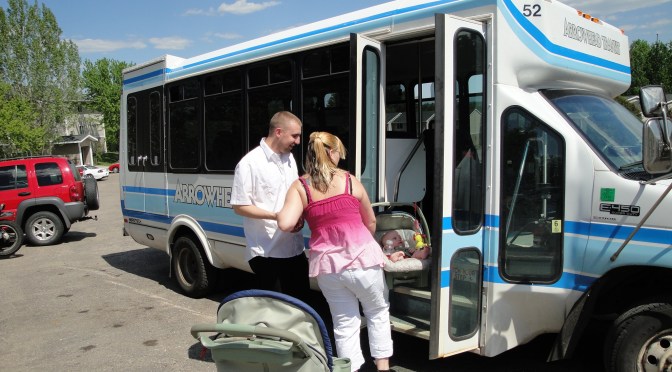
The benefits of Minnesota’s rural and small urban transit systems exceed the costs of services, according to a study sponsored by the Minnesota Department of Transportation (MnDOT). For every dollar spent to provide transit services in Greater Minnesota, benefits worth $2.51 are shared throughout the communities, according to the “Measuring the Economic Benefits of Rural and Small Urban Transit Services in Greater Minnesota” report.
Roadside dynamic message signs with breakaway components handle wind-induced vibrations adequately for an almost 24-year fatigue life. Rural intersection conflict warning signs vibrate noticeably under wind forces and require design changes to resist fatigue damage.
These are the results of a new research study sponsored by the Minnesota Department of Transportation that investigated the effects of wind loading on roadside message and conflict warning signs.
A new guidebook published by the Minnesota Local Road Research Board offers a uniform approach and practical methods for selecting locations and the right treatment for uncontrolled pedestrian crosswalks in Minnesota.
The five CTS councils are holding this special webinar to discuss how the COVID-19 pandemic is affecting traffic and transit networks in Minnesota. The webinar will feature representatives from Minnesota transportation agencies sharing what they’re seeing in the Twin Cities metro and statewide, presentations from University of Minnesota researchers, and time for an audience Q&A.
MnDOT construction projects require tons of hot mix asphalt each year, with over 188 road and bridge projects in the 2020 construction season alone.
Historically, plant mixed asphalt has been weighed, tracked and paid for with computer-generated paper tickets. Paper ticketing isn’t an ideal process for a variety of reasons—on-site ticket collection poses safety risks, tickets can be easily lost, and data must be tabulated manually, just to name a few.
This article was originally published inCatalyst, May 2020.
Many of us would never drive after drinking, but we’re not as hesitant about getting behind the wheel after being awake for too long or not getting enough sleep. It turns out that can be just as dangerous as driving while impaired by alcohol or drugs.
This article was originally published inCatalyst, May 2020.
Waymo and Uber have started trials of shared autonomous vehicle (SAV) service in several US cities. Without the expense of drivers, autonomous service could one day make the cost of a ride so low that people choose SAVs for their daily transportation needs instead of owning a vehicle.