This week is Wildlife Casualty Count Week of Action in Minnesota. It highlights the impacts transportation systems have on wildlife and raises awareness of wildlife deaths resulting from vehicle collisions. Information about this effort can be found at: Wildlife Casualty Count Week
At MnDOT, we are committed to protecting wildlife through established practices and thoughtful planning. MnDOT works to minimize and mitigate impacts to protected fish, wildlife, and plant species in the design and construction of transportation projects. Read more about MnDOT’s commitment to protected species here: Wildlife – Environmental Stewardship
MnDOT’s Office of Research & Innovation supports research projects that advance wildlife protection and environmental conservation. These projects help inform how wildlife considerations are incorporated into transportation planning and construction. Explore projects guiding this work below:
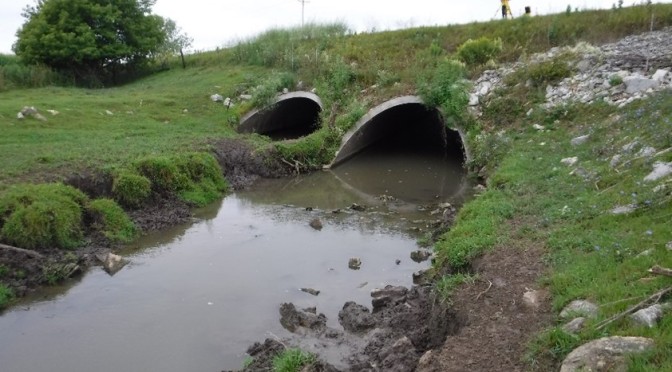
Culverts that influence the speed, depth or flow of a natural waterway can have a detrimental impact on fish populations. By assessing sites across the state, MnDOT sought to identify the effects the culverts have on aquatic wildlife currently and project what potential flooding and drought scenarios could mean in the future.
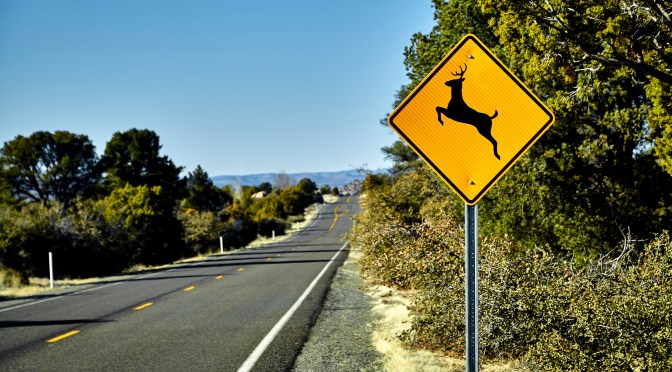
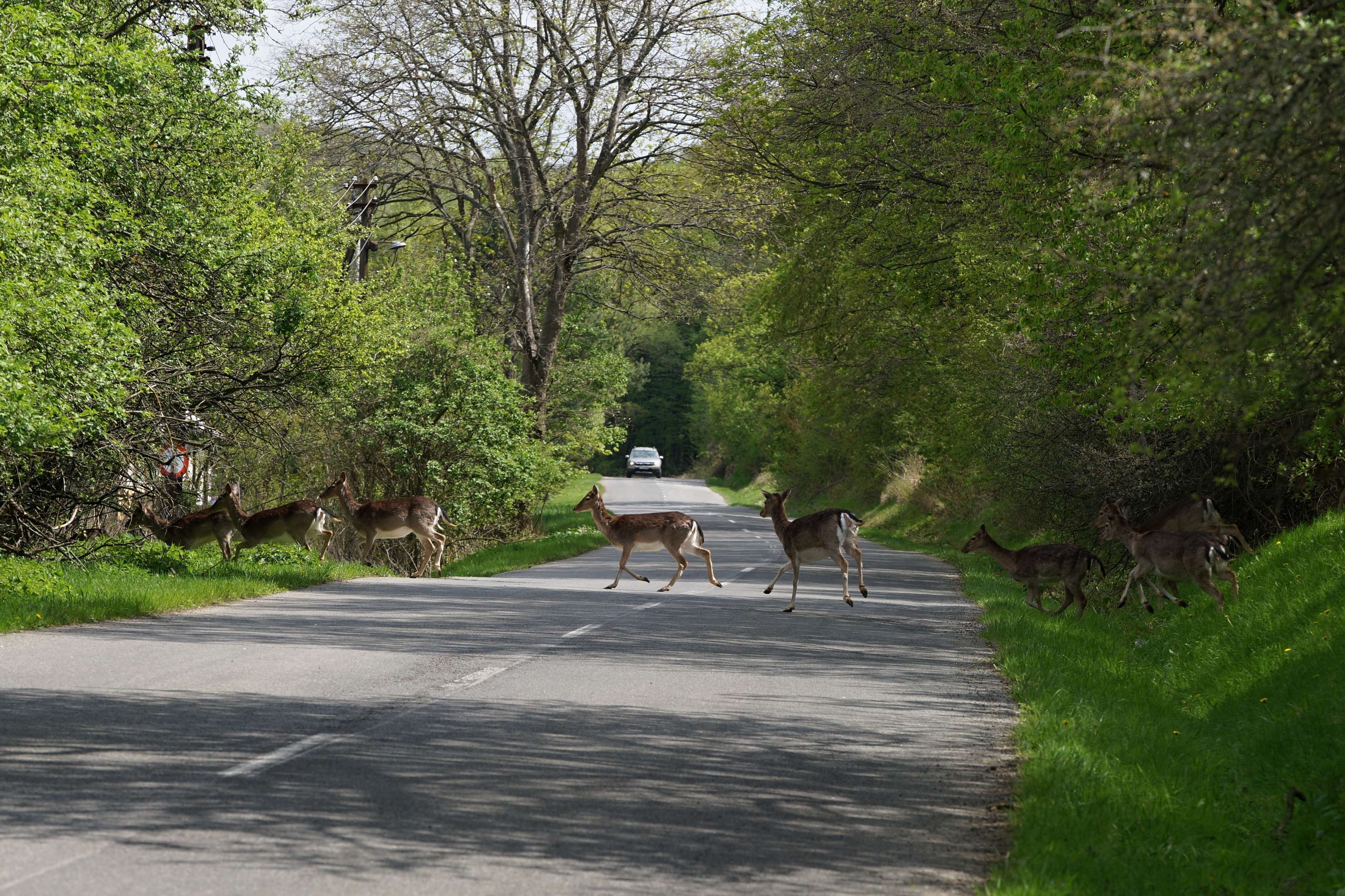
Deer-vehicle collisions are a significant risk to public safety on Minnesota roads—causing injuries and death for humans and animals, and property damage. Minnesota ranks among the top 10 riskiest states for deer-vehicle collisions in the nation.
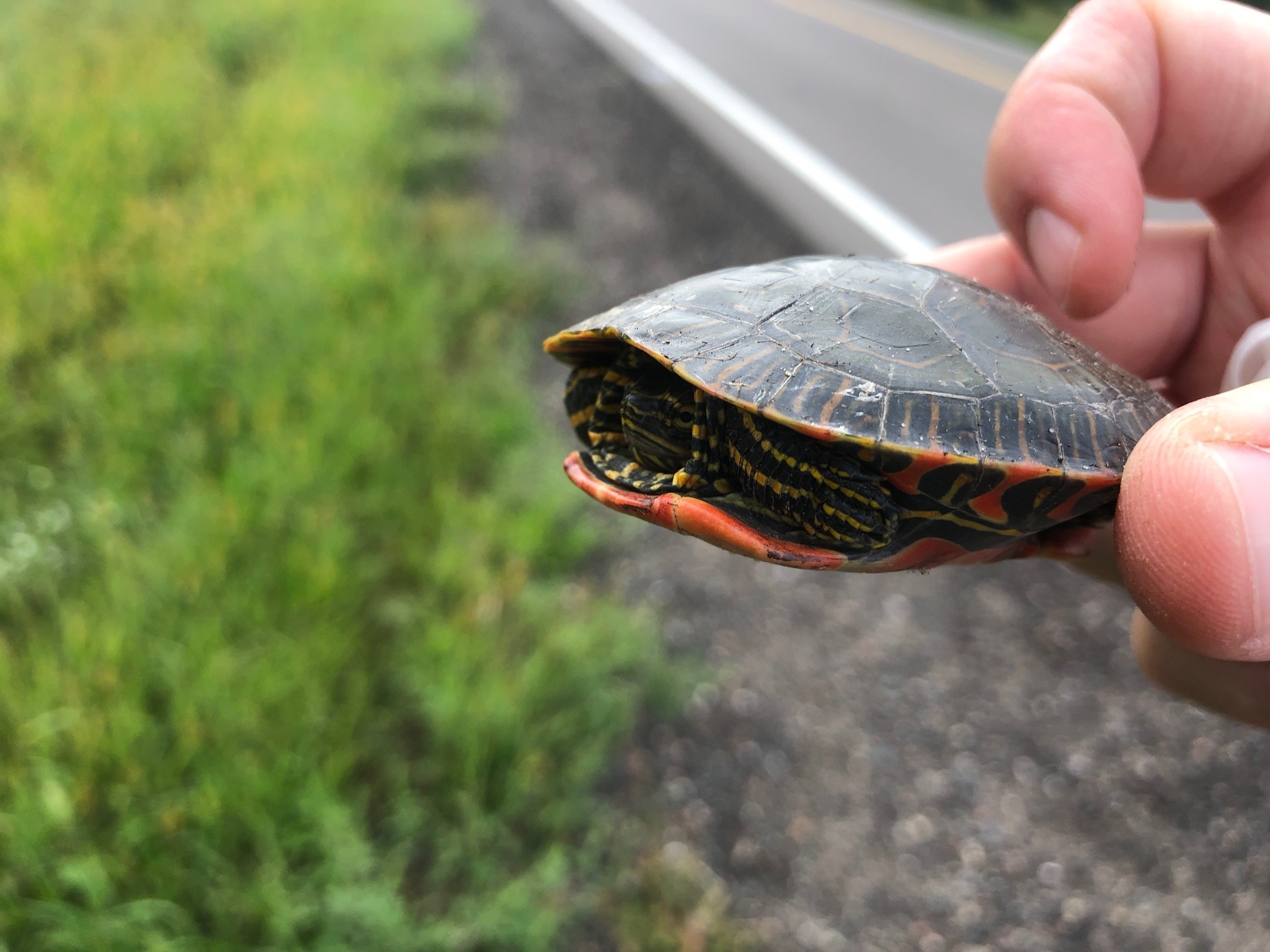
Turtles and other wildlife are at risk along Minnesota roadways.
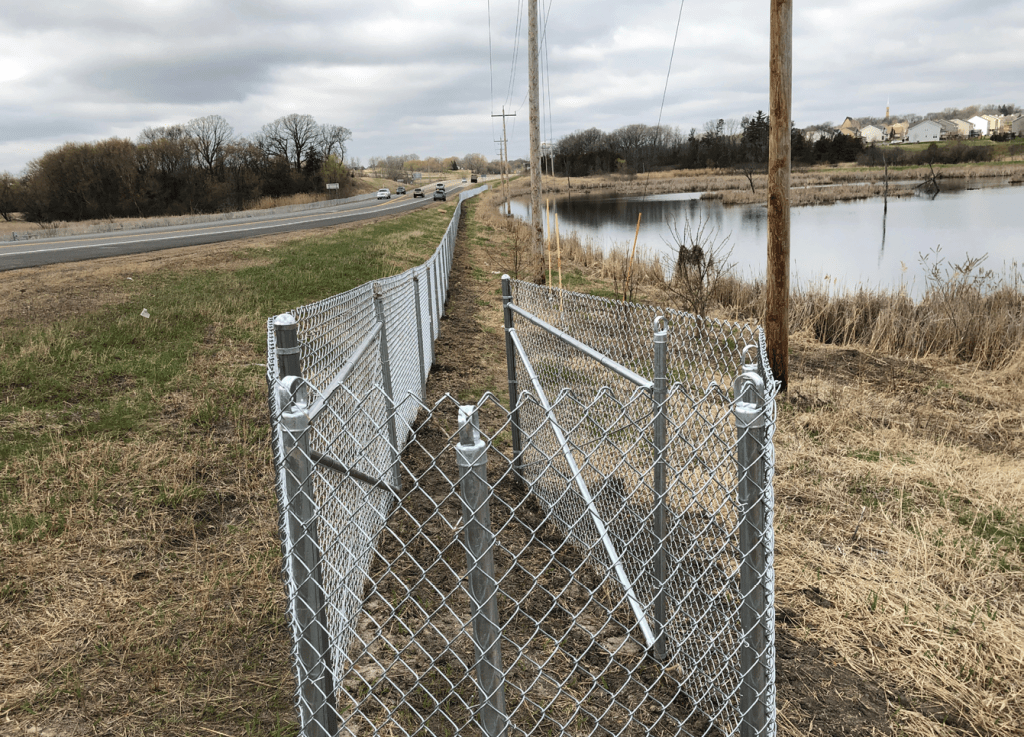
MnDOT is collaborating with the Minnesota Zoo on a new research
project installing small animal exclusion fencing. The fencing is
intended to redirect turtles (and other small animals) to culverts and bridges
where they can cross the road safely.