
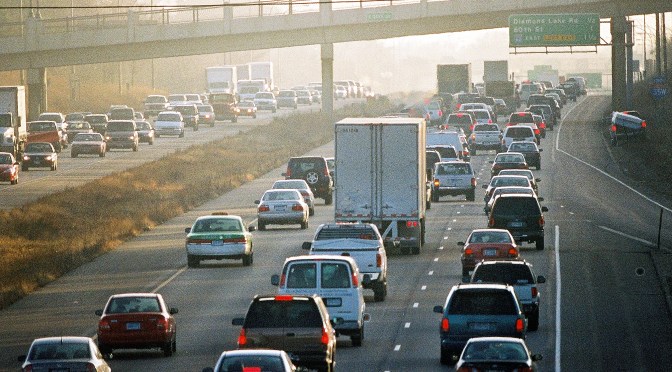
Combining real-time traffic data, vehicle trajectories and computer algorithms allows queue warning systems to trigger traffic warnings on overhead message signs that alert drivers to congestion or crashes ahead. A recent study evaluated the warning system previously installed on a segment of Interstate 94 (I-94) and deployed the system in a second location, providing an improved understanding of its efficacy and considerations for expanding its use.
Continue reading Improving and Expanding the Queue Warning System
Assessing Stormwater Ponds for Phosphorus Retention
Stormwater ponds and wetlands reduce flood risk and keep pollutants from entering other bodies of water. As ponds age and change, however, they may not perform as designed. Local agencies now have tools to assess whether a pond is likely to retain phosphorus, which can help guide stormwater management efforts.
Continue reading Assessing Stormwater Ponds for Phosphorus Retention
Maximizing Equity in Managed Lane Planning
Managed lanes provide transportation agencies with a strategy for reducing congestion and improving travel times along urban highways. A common perception is that the benefits of managed lanes are greater for higher-income people than for those with lower incomes, often from underrepresented communities. New research illustrates the diversity of managed lane users and provides new metrics and recommendations to factor equity into the highway project planning process.
Continue reading Maximizing Equity in Managed Lane Planning
Guidance for Cities Considering Speed Limit Changes
The issue of reducing speed limits to increase public safety is an emotional, political, and controversial topic that has been debated by safety advocates, engineers, politicians, transportation officials, and the public for many years. A statutory change in 2019 put a spotlight on the topic, requiring a deeper look into how speed limits are established and the effectiveness that lowering speed limits has on reducing vehicle traveling speeds, as well as the impacts on pedestrian and bicycle traffic.
Continue reading Guidance for Cities Considering Speed Limit Changes
On the Road to Somewhere
Measuring access to opportunities is the future math of mobility.
In December 2022, Twin Cities policymakers and planners celebrated the opening of the D Line, the latest bus rapid transit project by Metro Transit. The new line strengthened the spine of service running north-south through the urbanized core of the region: from Brooklyn Center, following Minneapolis’ long axis to the south, through the gridded suburbs of Richfield and Bloomington all the way to the Mall of America. Largely replacing Minnesota’s single busiest bus route (Route 5), the D Line features expanded high-frequency hours, higher-capacity vehicles, and improved trip speeds. The D Line represents the best of local transit service, an undoubtable improvement for the mobility of transit riders.
Continue reading On the Road to Somewhere
Strengthening Communities with Innovative Right of Way Projects
When urban highway projects were built several decades ago, many thriving communities were physically divided and negatively impacted, experiencing social, economic and environmental hardships from highway development. A national review of innovative projects in the transportation right of way (ROW) has identified strategies for repairing and revitalizing these communities and illustrates the potential for significant benefits within communities and the transportation network.
Continue reading Strengthening Communities with Innovative Right of Way Projects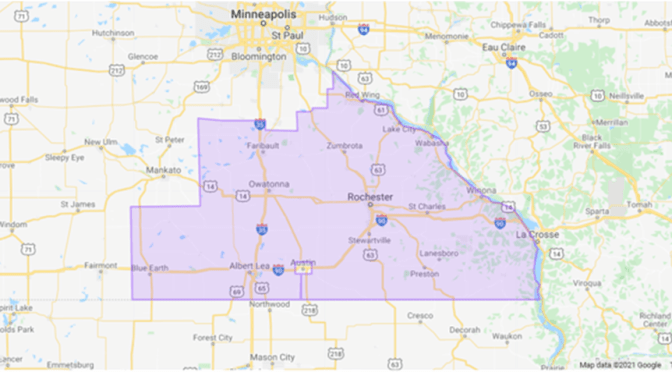
Alternative Transit Approaches for Rural Communities
Meeting transit needs in rural communities can be challenging. A new pilot study demonstrated the benefits of using mobile technologies and existing assets to enhance transit services and improve local economies.
Continue reading Alternative Transit Approaches for Rural Communities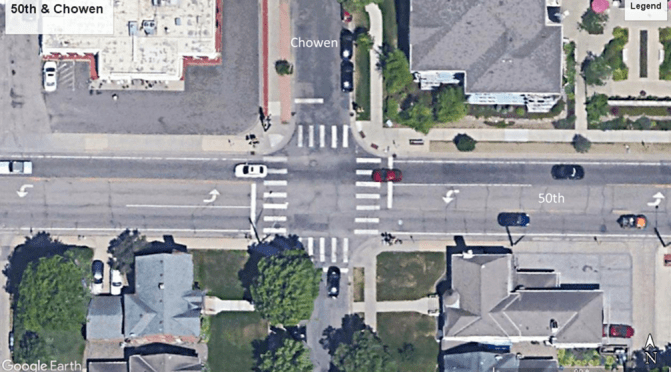
Impacts of Lane Conversions on Level of Service
Reconfiguring roadways, also referred to as a “road diet,ˮ can be a low-cost safety solution that makes space for different travel modes in addition to motor vehicle traffic. New guidance gives local engineers an initial indication of whether a road conversion would result in a loss of capacity given the roadway motor vehicle traffic demand.
Continue reading Impacts of Lane Conversions on Level of Service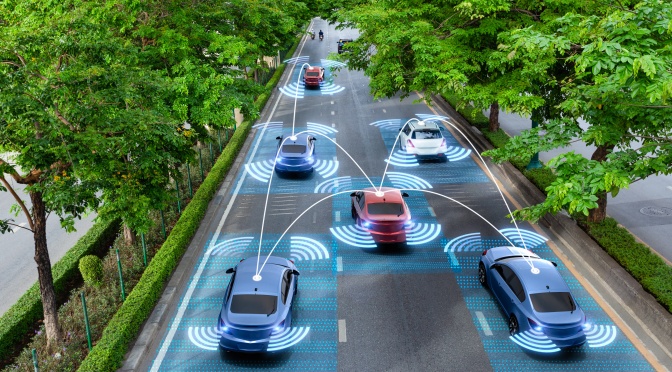
Connecting smart vehicles with traffic signals could reduce fuel use
Originally published in Catalyst, July 18, 2022.
Green means go and yellow means go faster—so goes a wry take on driver behavior at traffic signals. But it’s not just travel time that increases when you brake for a red: Fuel consumption does, too. Could transmitting signal data to connected vehicles (CVs) reduce stop-and-go cycles and fuel use? U of M researchers say yes.
Continue reading Connecting smart vehicles with traffic signals could reduce fuel use
Impacts of Autonomous Vehicles on Operation and Maintenance of Minnesota Roads
As autonomous vehicle technology evolves, transportation agencies want to understand how road maintenance and traffic operations may also need to evolve. New research begins to identify potential needs and further questions for winter road maintenance, work zones and traffic flow.
Continue reading Impacts of Autonomous Vehicles on Operation and Maintenance of Minnesota Roads
