Originally published in Catalyst, January 16, 2024
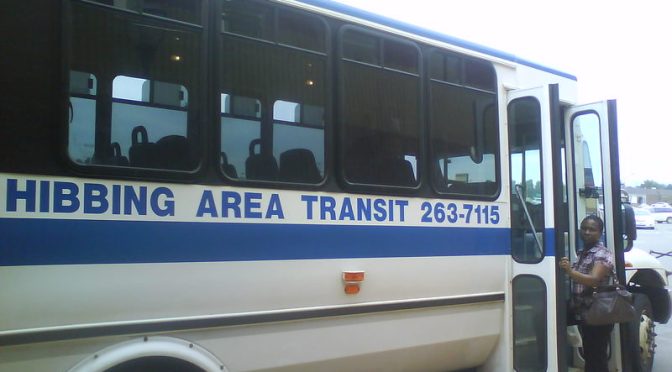
The COVID-19 pandemic took a major toll on public transit and shared transportation services in Minnesota, causing ridership and revenues to plummet. And it wasn’t just an urban problem: Smaller rural agencies and services saw sharp declines, too.
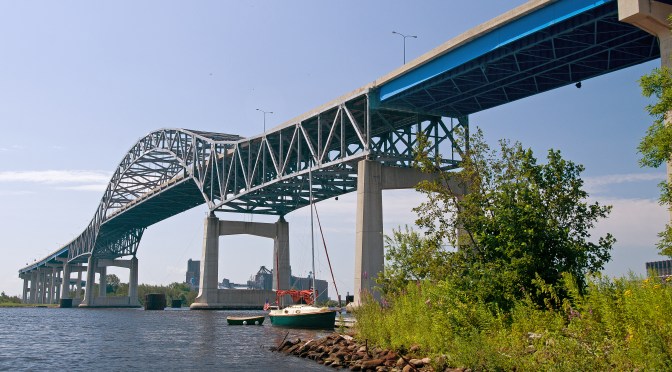
Currently, federal bridge performance measures in the United States and measures most commonly used by state transportation agencies for bridge management are based on National Bridge Inventory (NBI) General Condition Ratings that reflect bridge component conditions (deck, superstructure and substructure).
MnDOT also collects bridge element data that provides a more granular, objective and quantitative assessment of condition, and would like to have performance measures and targets based on the bridge element data that guides a data-driven methodology to select cost-effective treatments.
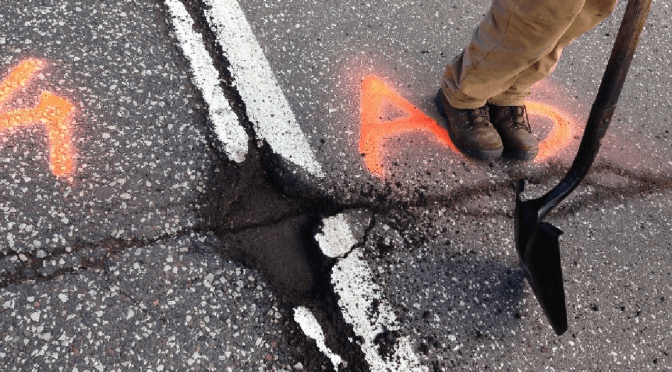
Seasonal and daily temperature variations, freeze-thaw cycles and other environmental factors lead to pavement distress on low-volume rural roads. Modifying asphalt mixtures could improve pavement resistance to these environmentally driven distresses. A comparison of the mechanical properties and performances of selected asphalt mixtures identified a mixture and method that hold considerable promise for improving performance and longevity on low-volume roads.
MnDOT has approved products for blanket and hydromulches. There are many versions of each type of temporary erosion prevention materials, that vary in thickness, composition, and cost.
The two most common stabilization methods to control erosion and establish vegetation used by MnDOT are Hydraulic Erosion Control Products (HECP) and Rolled Erosion Prevention Products (REPP). Specifying the best fitting product for the situation keeps MnDOT in compliance with stormwater permits and is more cost effective.
Road projects can increase access to surrounding businesses but may also negatively impact some establishments. New analyses and tools will help MnDOT when planning and implementing highway improvement projects to target assistance to local stores, restaurants and other firms to help mitigate adverse effects from road construction.
MnDOT and the Minnesota Local Road Research Board have funded 21 new research projects and are seeking Technical Advisory Panel members to help guide the research. This year’s RFP received over 83 proposals from qualified universities across the country. To receive updates on any of the funded projects, select “subscribe” on the project webpage.
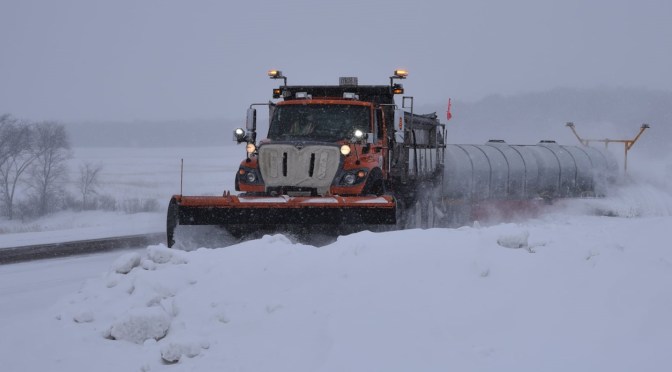
Snowplows use substantial amounts of fuel to keep Minnesota’s winter roads safe and accessible. Reducing the fuel consumed by MnDOT’s snowplows will help the agency meet its sustainability goals and lower operating costs. In a recent study, data collected from onboard vehicle technology showed the impacts of idling and snowfall on fuel efficiency to inform the management of the agency’s snowplow fleet.
Assessing the return on investment in transportation research is crucial to ensuring program goals are met, knowledge and technology are shared broadly, and future investigations are prioritized. A recent effort leveraged existing MnDOT and LRRB tools and processes to evaluate and communicate the value of innovation and research. A new benefit monitoring and communication framework, which can be tailored to individual projects, allows agencies to reassess a project and its benefits throughout the research life cycle.
Systemic inequities exist in the transportation network as decisions and services have traditionally been based on a limited perspective of community needs. Understanding the range of public uses and preferences in a multicultural society to advance an equitable transportation system requires an exploration of the lived experiences of marginalized communities. This project identified common themes and unique needs of 10 distinct Minnesota communities to support MnDOT in advancing equity.
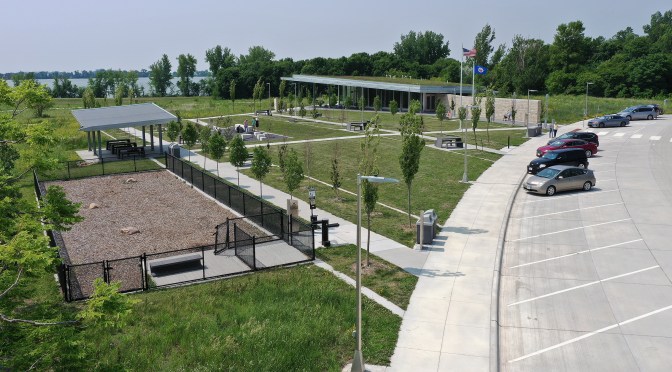
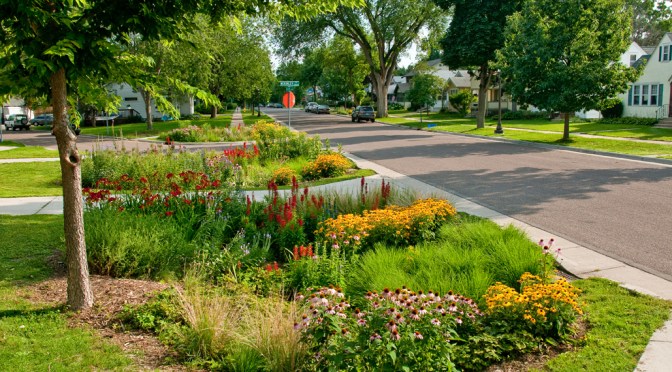
Managing stormwater is important to prevent flooding and associated safety risks; impacts to the environment; and damage to property, roads and bridges. As severe storms increase, MnDOT wants to ensure its stormwater diversion infrastructure can keep communities, roads and ecosystems safe from flooding. New research is helping the agency understand projected stormwater flows and identify cost-effective strategies and other adaptation considerations to manage stormwater.