
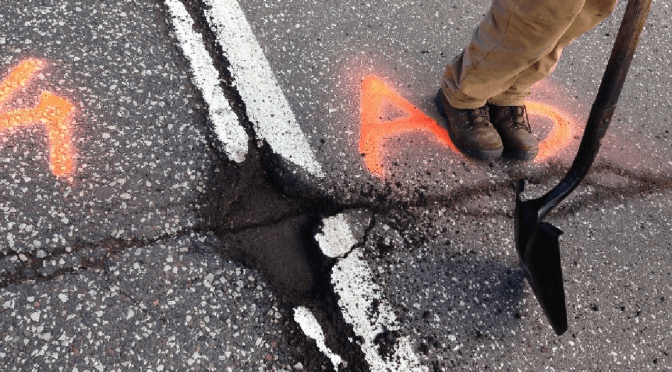
Seasonal and daily temperature variations, freeze-thaw cycles and other environmental factors lead to pavement distress on low-volume rural roads. Modifying asphalt mixtures could improve pavement resistance to these environmentally driven distresses. A comparison of the mechanical properties and performances of selected asphalt mixtures identified a mixture and method that hold considerable promise for improving performance and longevity on low-volume roads.
Continue reading Adapting Asphalt Mixtures for Tougher Rural RoadsTag Archives: LRRB
MnDOT and the Local Road Research Board Award Funding to New Research
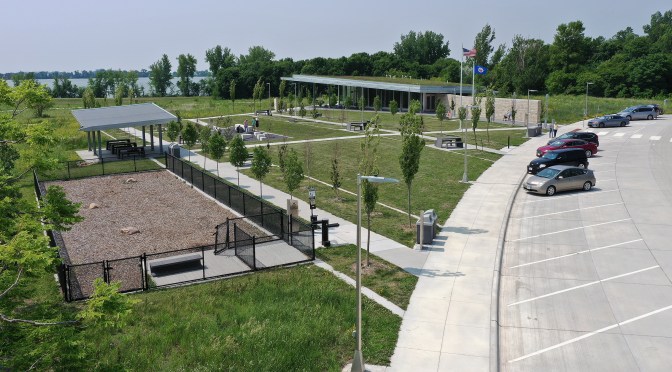
MnDOT and the Minnesota Local Road Research Board have funded 21 new research projects and are seeking Technical Advisory Panel members to help guide the research. This year’s RFP received over 83 proposals from qualified universities across the country. To receive updates on any of the funded projects, select “subscribe” on the project webpage.
Continue reading MnDOT and the Local Road Research Board Award Funding to New Research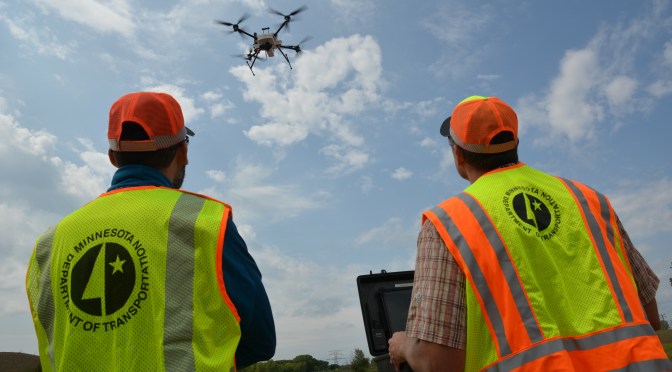
Evaluating and Communicating the Benefits of Transportation Research
Assessing the return on investment in transportation research is crucial to ensuring program goals are met, knowledge and technology are shared broadly, and future investigations are prioritized. A recent effort leveraged existing MnDOT and LRRB tools and processes to evaluate and communicate the value of innovation and research. A new benefit monitoring and communication framework, which can be tailored to individual projects, allows agencies to reassess a project and its benefits throughout the research life cycle.
Continue reading Evaluating and Communicating the Benefits of Transportation Research
Impact of Urban Speed Limit Changes on Driving Speeds
Speed limits are a popular safety measure used in urban areas. A new analysis that monitored driving speeds before and after posted changes to speed limits reveals lower speed limits may not, at least initially, cause drivers to slow down.
Continue reading Impact of Urban Speed Limit Changes on Driving Speeds
Refining the Lane Boundary Guidance System for Snowplow Operators
Snowplow operators work in difficult, often low-visibility conditions. A new system assists drivers in knowing their lane position and warns of approaching obstacles. After operators tested the system over two winters, researchers gathered feedback, revised the system and readied it for the next step in statewide deployment.
Continue reading Refining the Lane Boundary Guidance System for Snowplow Operators
Assessing Stormwater Ponds for Phosphorus Retention
Stormwater ponds and wetlands reduce flood risk and keep pollutants from entering other bodies of water. As ponds age and change, however, they may not perform as designed. Local agencies now have tools to assess whether a pond is likely to retain phosphorus, which can help guide stormwater management efforts.
Continue reading Assessing Stormwater Ponds for Phosphorus Retention
Guidance for Cities Considering Speed Limit Changes
The issue of reducing speed limits to increase public safety is an emotional, political, and controversial topic that has been debated by safety advocates, engineers, politicians, transportation officials, and the public for many years. A statutory change in 2019 put a spotlight on the topic, requiring a deeper look into how speed limits are established and the effectiveness that lowering speed limits has on reducing vehicle traveling speeds, as well as the impacts on pedestrian and bicycle traffic.
Continue reading Guidance for Cities Considering Speed Limit Changes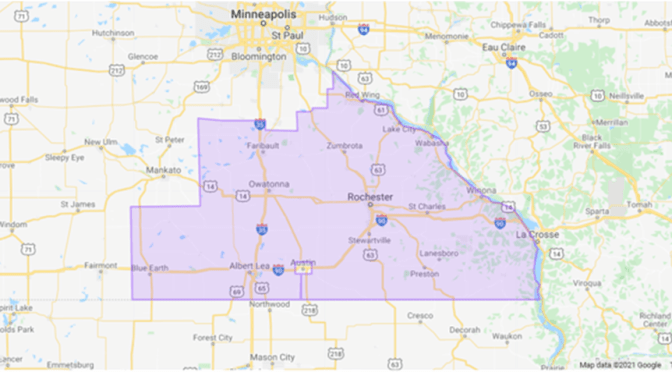
Alternative Transit Approaches for Rural Communities
Meeting transit needs in rural communities can be challenging. A new pilot study demonstrated the benefits of using mobile technologies and existing assets to enhance transit services and improve local economies.
Continue reading Alternative Transit Approaches for Rural Communities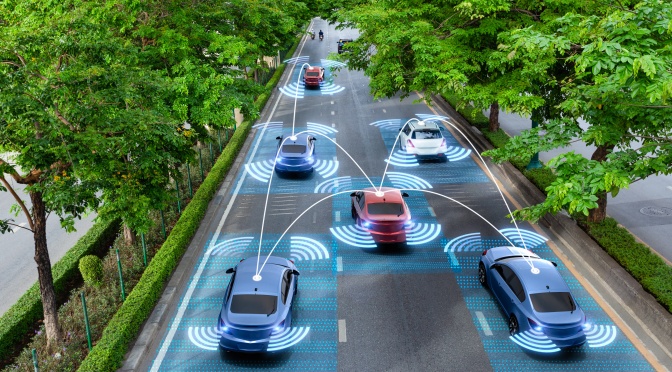
Connecting smart vehicles with traffic signals could reduce fuel use
Originally published in Catalyst, July 18, 2022.
Green means go and yellow means go faster—so goes a wry take on driver behavior at traffic signals. But it’s not just travel time that increases when you brake for a red: Fuel consumption does, too. Could transmitting signal data to connected vehicles (CVs) reduce stop-and-go cycles and fuel use? U of M researchers say yes.
Continue reading Connecting smart vehicles with traffic signals could reduce fuel use
Impacts of Autonomous Vehicles on Operation and Maintenance of Minnesota Roads
As autonomous vehicle technology evolves, transportation agencies want to understand how road maintenance and traffic operations may also need to evolve. New research begins to identify potential needs and further questions for winter road maintenance, work zones and traffic flow.
Continue reading Impacts of Autonomous Vehicles on Operation and Maintenance of Minnesota Roads Crossroads