In a recent project, the Alaska Department of Transportation (DOT) used a byproduct of Minnesota’s taconite mining industry for a section of the Alaska Glenn Highway.
The taconite byproduct—Mesabi sand—serves as the aggregate of a sand-seal treatment for a 4,600-foot stretch of the highway just north of Anchorage. Sand seals are an application of a sealer, usually an emulsion, immediately followed by a light covering of a fine aggregate (the sand).
“Our goal was to explore pavement preservation measures that extend pavement life and that also resist studded tire wear,” says Newton Bingham, central region materials engineer with the Alaska DOT. “Studded tires are allowed from mid-September until mid-April, and they cause rapid pavement wear.”
For the project, the Alaska DOT obtained sample pavement cores from the test area in 2014. Researchers then applied sand seals with two different hard aggregates—calcined bauxite and the Mesabi sand—to the surface of the cores to evaluate the effectiveness of each treatment.
Larry Zanko, senior research program manager of the Natural Resources Research Institute (NRRI) at the University of Minnesota Duluth, was the on-site representative for the taconite sand analysis. NRRI focuses on strategies to recover and utilize mineral-resource-based byproducts such as taconite and find potential beneficial end-uses for them.
“Taconite is one of the hardest natural aggregates,” he says. “Minnesota’s taconite mining industry generates tens of millions of tons of byproduct materials every year that could be used as pavement aggregate. Friction aggregates could be a higher-value niche for the industry.”
Testing of the sand-seals showed similar wear resistance for both types of aggregates. “We chose taconite sand since it is available from Minnesota as an industrial byproduct, whereas calcined bauxite sand has to be imported from nations on the Pacific Rim and costs more due to shipping,” Bingham says.
The Alaska DOT reports good performance to date on Glenn Highway and is funding ongoing pavement wear measurement.
NRRI researchers are also studying the use of taconite for other pavement applications. Funded by MnDOT, Zanko’s team developed (and later patented) a taconite compound for repairing pavement cracks and patching potholes (see an article the September 2016 Catalyst). The long-lasting patches reduce maintenance costs and traffic disruption. In continuing work funded by the Minnesota Local Road Research Board, researchers will refine the repair compound and develop and field-test a low-cost mechanized system for pavement and pothole repairs.
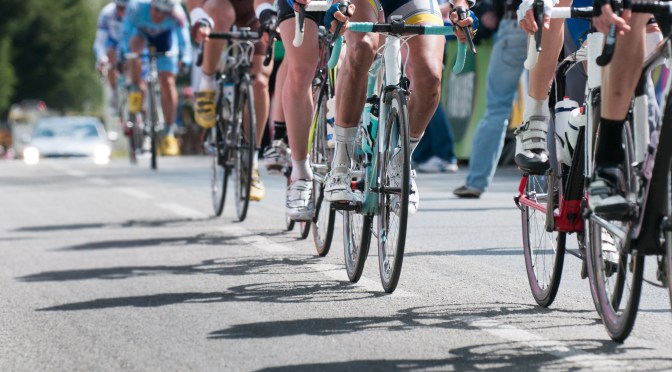
The bicycling industry in Minnesota—including manufacturing, wholesaling, retail sales, and non-profits and advocacy groups—produced an estimated total of $780 million of economic activity in 2014. This includes 5,519 jobs and $209 million in annual labor income (wages, salaries, and benefits) paid to Minnesota workers.
These findings are an important component of a multifaceted report from U of M researchers. Their research, funded by MnDOT, provides a comprehensive understanding of the economic impact and health effects of bicycling in Minnesota.
“This kind of bicycling study is definitely new for Minnesota but also new nationally,” says Sara Dunlap, principal planner in MnDOT’s Office of Transit. “This is the first time a state has attempted to assess, in a single study, the multiple impacts that bicycling activities have on the state’s economy and health.”
Xinyi Qian, an Assistant Extension Professor in the U’s Tourism Center, was the project’s principal investigator. For the bicycling industry portion of the work, the co-investigators were Neil Linscheid, Extension Educator, and Brigid Tuck, senior economic impact analyst, both with U of M Extension.
“Information about the bicycling industry is scattered, so we filled the information gaps by creating a list of bicycle-related businesses in Minnesota, interviewing bicycle-related business leaders, surveying bicycle-related businesses, and gathering additional information from relevant sources,” Linscheid says. “Numerous industries and a diverse supply chain are involved.” The research team then used this information to enhance an economic model that shows the economic contribution of the bicycling industry in Minnesota.
“Minnesota has a strong bicycle-related manufacturing industry that drives the bicycle-related economy,” Tuck says. “Specialty bicycle retail stores, especially independent ones, are a critical component of the bicycle retail industry in Minnesota.” Additionally, she says, when asked about local suppliers, bicycling businesses often provided names of other Minnesota companies, many of which are also bicycle-related businesses.
Researchers also looked at the economic impact of bicycling events—races, non-race rides, fundraising events, mountain bicycling events, high school races, and bicycle tours. Qian led this portion of the study, working with Tuck.
Through surveys and analysis, they found that an average bicycle event visitor in 2015 spent a total of $121 per day. This spending translates into an estimated total of $14 million of annual economic activity, which includes $5 million in annual labor income and 150 jobs. Event participants also brought additional people with them— more than 19,000 visitors who were travel companions but did not ride in any event.
The findings can help bring together event organizers and officials of various organizations—economic development, transportation, public health, and tourism—to promote the event facilities, the host communities, and bicycle tourism as a whole.
“Bicycling event attendees and their travel companions are a valuable audience for shopping, recreation, and amusement activities,” Qian says. “Communities hosting events could explore opportunities to capture additional spending from these important visitors.”
Qian notes that the analysis focused on event visitors and was not a broad measure of bicycle tourism.
A previous post discussed the health impacts component of the study; in April, we’ll report on the magnitude of biking in the state.
Could the same infrared technology that’s used by security firms to detect trespassers be used to spot carpool lane violators? Not yet, says new research sponsored by MnDOT, which shows that to consistently detect passengers through windshield glass, the system would require a laser that might harm people’s eyes.
“Some vendors have proposed significant investments in sensing technology for HOV/HOT lane enforcement,” said Nikos Papanikolopoulos, Professor, University of Minnesota Department of Computer Science and Engineering. “This research demonstrated that it’s not safe, so the tests saved a lot of money and protected the well-being of drivers.”
“Development is still continuing in the industry, so we will cautiously evaluate sensing technologies as they come along,” said Brian Kary, MnDOT Freeway Operations Engineer. “This research gave us a solid base of knowledge about what we’ll be looking for and what we need to avoid.”
Papanikolopoulos served as the research project’s principal investigator, and Kary served as technical liaison.
What Was the Need?
High-occupancy vehicle/high-occupancy toll (HOV/HOT) lanes have gained popularity in recent years as a way to address highway congestion in urban areas. However, enforcing the provisions that either prohibit or charge a toll to single-occupant vehicles in HOV/HOT lanes can be challenging. Currently, enforcement is handled by law enforcement officers, but this is a labor-intensive process that can’t catch every violator and can create a traffic safety hazard.
Obtaining technology to assist officers with enforcement is a goal for MnDOT and many other agencies that operate HOV/HOT lanes, and several manufacturers are working to develop enforcement cameras. But this has proven to be a difficult task. Window tinting and glare from sun-light can thwart common sensing technologies like video cameras and microwave radar (commonly used in speed limit enforcement). Previous research using near-infrared sensors has shown promise, but none has produced completely successful results.
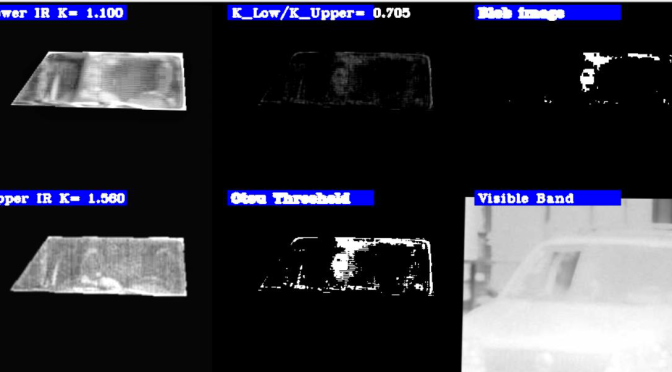
This study tested Honeywell’s Tri-Band Infrared (TBI) sensor, which was originally used to automatically detect intrusions at high-security entrance gates. In addition to a black-and-white camera and an illuminator, the TBI has two co-registered near-infrared cameras. The system takes advantage of the fact that human skin reflects infrared light much more effectively at wavelengths below 1400 nanometers. The TBI’s infrared cameras are sensitive to different wavelengths, one below and one above that threshold, and fusing the images from these two cameras makes silhouettes of faces more prominent.
What Was Our Goal?
The goal of this project was to evaluate whether the TBI sensor is suitable for HOV/HOT lane enforcement applications.
Infrared lasers helped the TBI sensor detect people through glass, but they also pose a danger to eye safety.
What Did We Do?
Investigators first tested the sensor outdoors on oncoming vehicles with known positions that ranged from 25 to 140 feet from the sensor. These tests demonstrated that the sensor had limited ability to penetrate modern vehicle glass, possibly because the system’s illuminator component was ineffective.
Investigators purchased two infrared lasers providing illumination at wavelengths of 1064 nanometers and 1550 nanometers to increase the TBI sensor’s ability to detect people through windshield glass. Then they conducted indoor tests to compare the impact of these illuminators with that of the original illuminator: With a test subject holding front passenger windows from several manufacturers in front of his face, the lasers were aimed at the subject while the TBI attempted to detect him.
Finally, investigators conducted outdoor tests using the TBI to detect people in three test vehicles from the front and the side under both sunny and cloudy conditions. These tests were conducted both without illumination and with the aid of high-power incandescent spotlights modified to output infrared light, and with the sensor at several different distances from the vehicles.
What Did We Learn?
The indoor tests demonstrated that when aided by supplementary illuminating lasers, the TBI sensor was capable of detecting humans through commonly manufactured vehicle window glass.
However, to achieve successful results, these lasers must operate with high power in a narrow range of wavelengths. Despite operating outside the visible spectrum, they can damage human eyes when operating at the necessary power level to enable effective detection through glass. While investigators conducted this project’s indoor tests with adequate protection, there is currently no way to ensure safe usage of the lasers in real-world applications.
In the second outdoor tests, the unilluminated sensor successfully detected a passenger only once out of 24 attempts. With illumination, the sensor successfully detected people in some cases, particularly when there was no direct sunlight or reflective glare. One surprising discovery was that high-band (above 1400 nanometers) infrared light penetrated window glass more consistently, even though the low band had more spectral energy.
What’s Next?
Due to safety concerns about using the illuminating laser at a high enough power to penetrate all windshield glass, the system is not suitable for HOV/HOT lane enforcement. There is some indication that sensor technology has improved since the release of the TBI, and MnDOT will continue to monitor industry developments, but it has no current plans to pursue using infrared cameras for this application.
The technology may be suitable for other sensing applications that do not require high-power illumination. For example, the sensors might be useful in systems that provide information to drivers in real time, such as applications that identify available truck parking spaces in rest areas or that alert drivers to the presence of workers in work zones.
—
This Technical Summary pertains to Report 2017-05, “Sensing for HOV/HOT Lanes Enforcement,” published February 2017. The full report can be accessed at mndot.gov/research/reports/2017/201705.pdf.
By analyzing vibration data from the I-35W St. Anthony Falls Bridge, MnDOT is working to develop monitoring systems that could detect structural defects early on and ultimately allow engineers to improve bridge designs.
“With data spanning several years, the I-35W St. Anthony Falls Bridge offers a unique opportunity for investigating the environmental effects on a new concrete bridge in a location with weather extremes,” said Lauren Linderman, Assistant Professor, University of Minnesota Department of Civil, Environmental and Geo-Engineering. Linderman served as the research project’s principal investigator.
“This project gets MnDOT closer to using bridge monitoring systems in combination with visual inspection to help detect structural problems before they affect safety or require expensive repairs,” said Benjamin Jilk, Principal Engineer, MnDOT Bridge Office. Jilk served as the research project’s technical liaison.
Completed in 2008, the I-35W St. Anthony Falls Bridge has a smart bridge monitoring system that includes hundreds of sensors.
What Was the Need?
In September 2008, the I-35W St. Anthony Falls Bridge was constructed to include a “smart bridge” electronic monitoring system. This system includes more than 500 sensors that continuously provide data on how the concrete structure bends and deforms in response to traffic loads, wind and temperature changes. Transportation agencies are increasingly interested in such systems. As a complement to regular inspections, they can help detect problems early on, before the problems require expensive repairs or lead to catastrophic failure. Smart bridge systems can also help engineers improve future bridge designs.
The smart bridge system on the I-35W St. Anthony Falls Bridge includes accelerometers, which provide data on the way the bridge vibrates in response to various stimuli, including structural damage. Vibration-based monitoring has the advantage of allowing damage to be detected at any location within the bridge rather than only at the specific locations where measuring devices have been placed.
However, it can be difficult to use vibration monitoring to detect damage when vibration is masked by the bridge’s natural response to traffic loads, wind, temperature changes and other environmental conditions. A crack in a bridge girder, for example, can produce a vibration signature similar to one produced by a change in beam length due to variations in temperature or other causes. Consequently, since 2008 MnDOT has conducted a series of projects using data from the St. Anthony Falls Bridge to establish a way to distinguish anomalous data indicating a structural defect or damage from background “noise” associated with other causes.
What Was Our Goal?
This project sought to develop a method for analyzing accelerometer data from the I-35W St. Anthony Falls Bridge that would show how the bridge naturally vibrates due to traffic, wind and other environmental conditions. With this fingerprint of the bridge’s natural vibration, engineers would have a baseline against which to measure anomalies in the data that might indicate structural damage.
What Did We Do?
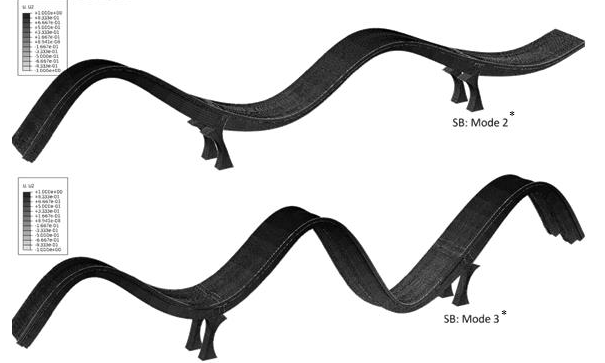
A large amount of data has been collected from the bridge since its construction. To establish the vibratory fingerprint for the bridge, researchers examined the frequencies and shapes (or modes) of bridge vibration waves. The method they used to identify the data segments needed for the fingerprint was to evaluate the peak amplitude of bridge vibration waves and their root mean square (RMS), a measure of the intensity of free vibration.
The researchers applied this method to the vibration data collected on the I-35W St. Anthony Falls Bridge between April 2010 and July 2015, calculating the average frequencies for four wave modes and determining how they varied with the bridge’s temperature. They also calculated the way frequencies changed with the bridge’s thermal gradients, or variations in temperature between parts of the structure.
What Did We Learn?
The methods developed in this project were successful in establishing a fingerprint for the way the I-35W St. Anthony Falls Bridge vibrates due to environmental conditions, and a way to evaluate changes in vibration over time indicative of structural damage or other factors.
Researchers found that the ratio of peak signal amplitude to RMS in bridge vibrations was a strong indicator of data that should be analyzed, and was evidence of a large excitation followed by free vibration. By themselves, peak amplitude and RMS cannot distinguish between ambient free vibration and forced vibration.
Researchers were able to use this method to successfully analyze 29,333 data segments from the I-35W St. Anthony Falls Bridge. This analysis revealed that as temperature increases, the natural frequency of vibration tends to decrease. The magnitude of this change, they concluded, must be related not just to the elasticity of the bridge but also to other factors such as humidity. However, temperature gradients within the bridge did not appear to have a significant effect on the natural frequencies of the structure.
What’s Next?
MnDOT will continue to collect data from the bridge as it ages to further understand its behavior. This will provide an opportunity to determine how anomalies in vibration data correspond to cracking and other forms of structural distress. Ultimately, MnDOT hopes to use this bridge monitoring system in combination with visual inspection both to detect problems in bridges earlier and to develop better bridge designs. Researchers are also currently working on a follow-up project, Displacement Monitoring of I-35W Bridge with Current Vibration-Based System, to determine the effects of temperature on the bridge’s dynamic and long-term vertical displacements, which can be used to monitor the bridge’s stiffness, connections and foundations.
Last month, CTS debuted two videos about the many contributions U of M researchers have made—and are still making—in traffic operations and pavement design.
The videos are one of the ways CTS is marking 30 years of transportation innovation. Our goal is to show how research progresses over time—from curiosity to discovery to innovation. The videos also show how U of M research meets the practical needs of Minnesotans in the Twin Cities metro and throughout the state.
The first video focuses on improving traffic operations, a research focus since our earliest days. Professor Emeritus Panos Michalopoulos invented Autoscope® technology to help transportation agencies capture video images of traffic and analyze the information, enabling better traffic management. Autoscope was commercialized in 1991, and the technology has been incorporated into products sold and used worldwide.
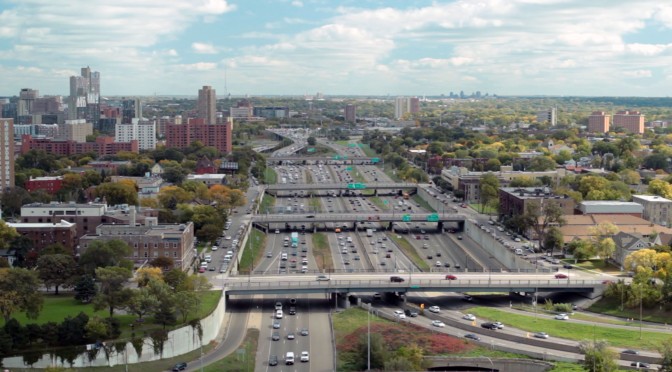
Current traffic operations research builds on this strong foundation. For example, the U’s Minnesota Traffic Observatory, directed by John Hourdos, develops data collection tools such as the Beholder camera system. The system is deployed on high-rise rooftops overlooking a stretch of I-94 in Minneapolis—an area with the highest crash frequency in Minnesota—to help the Minnesota Department of Transportation reduce congestion and improve safety.
The second video showcases U of M research on pavement design. Developing pavements that can stand up to Minnesota’s harsh climate is a continuing priority for researchers, whose work has led to new methods, tools, and specifications to extend pavement life. The video also looks at how research teams are pushing the envelope with use of materials such as taconite waste and graphene nano-platelets for pavement applications.
How does the ability to move freight affect the economic health of a state, region, and even a city? How are the supply chains of businesses impacted by freight flow? And what challenges and opportunities does Minnesota face when it comes to leveraging and strengthening its freight modes?
The 2016 Freight and Logistics Symposium offered a thoughtful examination of those questions and explored other topics related to improved mobility in Minnesota, including congestion, regulation, labor shortages, and the value of all freight modes to the state’s economy.
The event, held December 2, 2016, in Minneapolis, included:
A presentation on the power of freight flow data in attracting industry to a location and ways to use data in making a compelling case for businesses to invest
A panel Q&A featuring four industry experts from diverse organizations that depend on reliable freight movement
A discussion of how the 2016 election results may affect freight transportation
The symposium was sponsored by CTS in cooperation with MnDOT, the Minnesota Freight Advisory Committee, the Council of Supply Chain Management Professionals, the Metropolitan Council, and the Transportation Club of Minneapolis and St. Paul.
According to the results of a new study, bicycle commuting in the Twin Cities metropolitan area reduces chronic illness and preventable deaths, saving millions of dollars annually in medical costs.
The findings are one component of a multifaceted project funded by MnDOT. In the final report, researchers in several U of M departments provide a comprehensive understanding of the economic impact and health effects of bicycling in Minnesota.
“MnDOT has long identified bicycling as an important part of the state’s multimodal transportation system,” says Tim Henkel, modal planning and program management assistant commissioner. “This first-ever study generated new information that will inform policy and program strategies on bicycling as we determine levels of future investment.”
Xinyi Qian, an Assistant Extension Professor in the U’s Tourism Center, was the project’s principal investigator. Dr. Mark Pereira of the School of Public Health, one of the co-investigators, led the health component of the project.
Pereira’s team began by measuring the amount of bicycle commuting among Twin Cities adults using data from the 2014 Minnesota State Survey. (The counties included were Anoka, Carver, Dakota, Hennepin, Ramsey, Scott, and Washington.) The team found that 13.4 percent of working-age metro-area residents (244,000 adults) bicycle to work at least occasionally, and the average bicycle commuter rides 366 miles per year.
The researchers next estimated the number of deaths prevented from that amount of bicycling using the Health Economic Assessment Tool developed by the World Health Organization (WHO). Their analysis found that bicycle commuting in the metro area prevents 12 to 61 deaths per year, saving $100 million to $500 million annually. “At current levels, roughly 1 death per year is prevented for every 10,000 cyclists,” he says.
The WHO tool estimates savings from prevented deaths but not from prevented disease. To estimate the effect of bicycling commuting on illness, researchers conducted an online survey of Twin Cities cyclists; participants also included three commuter groups and a bicycle parts manufacturer.
“We learned that bicycling is linked to lower risk of metabolic syndrome, obesity, and hypertension,” Pereira says. “For example, taking three additional bicycle trips per week is associated with 46 percent lower odds of metabolic syndrome, 32 percent lower odds of obesity, and 28 percent lower odds of hypertension.”
The illness assessment provides relative risk estimates that planners can use in cost-benefit analyses. “Current methods only consider risk reductions related to death rates, so the benefit of infrastructure projects is underestimated,” Pereira says. “By providing an estimate of the risk reductions for diabetes and heart disease related to cycling, we provide an input that will help project planners more accurately represent the benefits of these projects.”
While the research was conducted in the Twin Cities, the methods can be used in other locations and to compare changes over time. “The findings also provide a foundation for transportation and health care officials to take action,” Pereira says, citing several options:
Promote active transportation through policies and intervention programs, e.g., employer incentives.
Develop consistent safety education and encouragement messages statewide to increase bicycle commuting.
Continue to encourage and implement safe bicycling to school and access to bicycles for youth across the state.
Transportation funding continues to be a contentious issue in Minnesota: Are we spending enough, too little, too much? One way to help answer that question is to compare spending with other states.
“A simple comparison, however, may not accurately reflect the real level of transportation funding across the states,” says Jerry Zhao, an associate professor in the Humphrey School of Public Affairs. “States face different levels of demand and costs due to different geographic, demographic, or labor market conditions.”
To better understand the factors that influence the transportation funding level, Zhao and Professor Wen Wang at Rutgers University developed a cost-adjusted approach to systematically compare highway expenses among states. They found that while Minnesota spends more than average on highways, its spending level actually ranks low in cost-adjusted measures.
“We controlled for the effects of some major cost factors, such as demographics and natural weather conditions, which are outside of the control of state and local officials,” Zhao explains. “We found that natural weather conditions have a significant impact on highway spending—a lower winter temperature is associated with higher highway expenditures.”
The effect of population size isn’t as straightforward: “There is some impact of economy of scale, but only to a certain threshold,” he says. While urban areas have greater complexity, the higher population density is associated with less spending per capita, probably due to spreading the costs across a greater population.
The analysis also found that state and local governments tend to spend less on highways when they are under fiscal stress, and states with a higher gross domestic product (GDP) appeared to spend more on highways per capita. “Essentially, highway investment decisions may be greatly influenced by the economic fluctuations and fiscal stresses faced by a state,” he says.
According to unadjusted 2010 data, Minnesota ranks 8th on highway spending per capita and 18th on its share of statewide highway spending in GDP. “But after adjusting for those factors that are largely out of control by transportation policy, we found that Minnesota’s rankings drop to 37th on highway spending per capita and 41st on the share of highway spending in GDP,” Zhao says. “This suggests that the relatively high level of highway spending in Minnesota is largely driven by the cost factors of demographics and weather conditions.”
“This study confirms what MnDOT has experienced and that transportation financing is more complicated than one would expect,” says Tracy Hatch, MnDOT deputy commissioner. “Not only is Minnesota’s transportation system significantly undercapitalized—there are considerable financial impacts from factors outside of our control.”
Transportation agencies have long placed high importance on the thickness of their concrete roadways, making it a major focus of control and inspection during construction. While it is commonly believed thicker concrete pavements last longer, there is little data to support this claim.
“One big reason for the lack of data on the relationship between concrete pavement thickness and performance is the destructive nature of these measurements,” says Lev Khazanovich, a former professor in the University of Minnesota’s Department of Civil, Environmental, and Geo- Engineering. “Concrete thickness is typically assessed by coring—a destructive, expensive, and time-consuming test that only offers widely spaced measurements of thickness.”
In a MnDOT-funded study, U of M researchers set out to fill this knowledge void by leveraging recent advances in the nondestructive testing of pavements that allow for large-scale, rapid collection of reliable measurements for pavement thickness and strength. They conducted four evaluations on three roadways in Minnesota using ultrasonic technology to collect more than 8,000 measurements in a dense survey pattern along with a continuous survey of observable distress.
“We found that both pavement thickness and stress measurements are highly variable, with a half-inch of variation in thickness about every 10 feet,” Khazanovich says. “Interestingly, three of the four surveys averaged less than design thickness, which is contrary to typical accounts of contractors building slightly thicker slabs in order to avoid compensation deductions.”
Data analysis showed that exceeding design thickness did not seem to increase or decrease pavement performance. However, a measurement of pavement strength and quality known as “shear wave velocity” did produce valuable findings. “A drop in the shear wave velocity strength measurement corresponded to an increase in observable pavement distresses such as cracking and crumbling,” Khazanovich explains. “This was especially apparent when we were able to easily identify locations of construction changes, where significant changes in shear wave velocity matched up with observable distress.”
The results of this study illustrate the importance of material quality control and uniformity during construction, since alterations in pavement strength and quality may significantly influence pavement performance. In addition, researchers say that despite inconclusive thickness results, it is still important that pavement has significant thickness to carry its intended traffic load over its service life. Finally, the study demonstrates that new methods of ultrasonic shear wave velocity testing are useful for identifying changes in construction and design that could lead to higher rates of pavement distress.
As the millennial generation comes of age, indications of a significant generational change in travel behavior have raised hopes of robust growth in transit use. As a whole, this generation owns fewer cars, drives fewer miles, and uses transit more than previous generations. However, one key question remains: will millennials continue their high rates of transit use as the economy improves and they increasingly settle down and start families?
“In older generations we have seen significant declines in transit use that coincide with the transition to family life and child rearing,” says Andrew Guthrie, a research fellow and Ph.D. candidate at the Humphrey School of Public Affairs. To gain insight into the question of whether the millennial generation will be different, Guthrie looked for changes in the extent that two factors—young children in a household and access to a vehicle—affect transit use.
The study, conducted with Humphrey School associate professor Yingling Fan, looked for evidence of these bellwether changes in the Minneapolis–Saint Paul region between 2000 and 2010. This period saw the opening of the region’s first modern light-rail line as well as numerous bus system improvements, including a network of high-frequency local routes. In addition, the region has a strong, knowledge-based economy and has seen an in-migration of millennials.
The researchers used data from the detailed Travel Behavior Inventory conducted by the Twin Cities Metropolitan Council in 2000 and 2010 to compare travel behavior at both the trip and person levels.
Their analysis revealed that both young children in a household and access to an automobile have become “weakening obstacles” to transit use. “Specifically, research models show that participants with access to an automobile were more likely to use transit in 2010 than in 2000, and that participants with young children in their households were less likely than others to use transit in 2000 but not in 2010,” Guthrie says.
“Our models provide strong evidence that the basic relationship between transit use and the presence of young children in a household has changed, as has the relationship between transit use and access to an automobile,” Fan adds. “In fact, regardless of the specific modeling approach, these two traditional obstacles to transit use either weakened or disappeared entirely between 2000 and 2010 in the Twin Cities region.”
According to the researchers, the findings suggest that transit may now be better able to hold on to market share as its millennial users mature and start families, especially in urban areas where walk-and-ride trips are most common. In order to attract and accommodate these transit users, researchers believe ensuring an adequate supply of family housing and family-oriented community features such as high-quality schools and playgrounds in transit-served areas will be critical.
The research this paper was based on was part of a larger project funded by the Metropolitan Council and MnDOT. The paper was recently published in the Transportation Research Record.






 Crossroads