
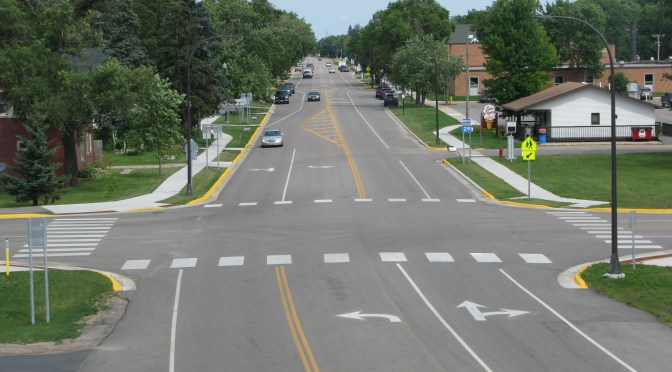
Minnesota Statutes §174.75 requires the MnDOT to follow a complete streets approach in all phases of planning, project development, operation, and maintenance activities. The purpose of the MnDOT complete streets policy “is to address the safety and accessibility needs of users of all ages and abilities. MnDOT assesses user needs at several stages of planning, project scoping and designing, construction, operation, and maintenance.”
Continue reading New Project: Complete Streets Speed ImpactsTag Archives: featured

Efficacy, Cost, and Impacts of Non-Chloride Deicers

In their most recent newsletter, Clear Roads presented the results of a pooled-fund study on alternative deicing products.
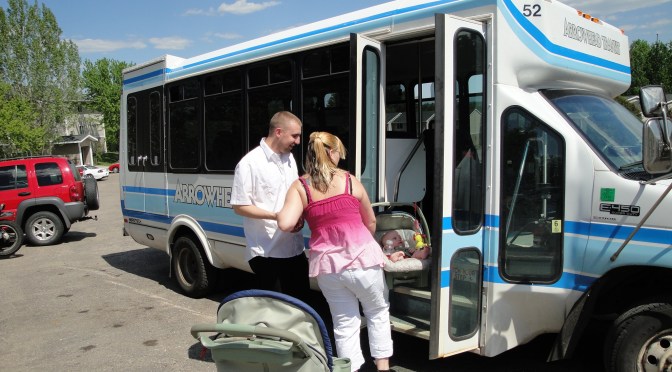
‘Transportation Insecurity’: A New Metric to Evaluate Programs and Guide Decision Making
Reprinted from CTS News, December 7, 2023
—Sophie Koch, contributing writer
Reliable transportation has a huge impact on quality of life. Many Americans, however, are unable to travel where and when they need to go, and policymakers lack tools to measure the extent of the problem.
Continue reading ‘Transportation Insecurity’: A New Metric to Evaluate Programs and Guide Decision Making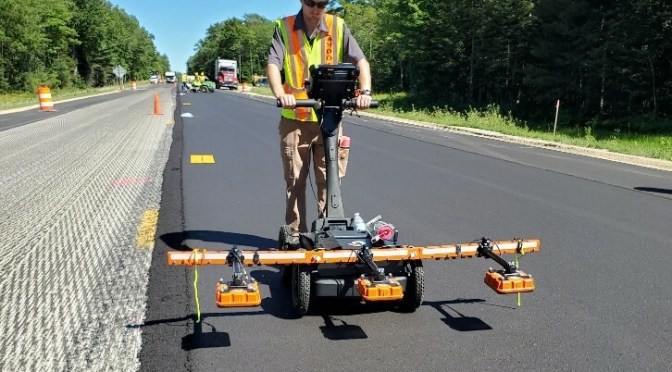
Measuring Pavement Density for Sustainable Centerline Joints
Longitudinal joints, created when lanes are paved sequentially, often need significant maintenance as the joints crack or deteriorate. While materials, construction methods and other factors may cause joint deterioration, insufficient pavement density is primarily responsible for weak joints, and measuring density has not traditionally been a widespread practice. New recommendations for joint construction and quick, nondestructive methods of measuring density during construction will support local agencies in laying longer-lasting pavement.
Continue reading Measuring Pavement Density for Sustainable Centerline Joints
Developing a Best Practices Manual for Roadway Drainage
Ineffective drainage can lead to expensive roadway damage and decrease a pavement’s service life. New guidance will help local agencies understand drainage issues unique to their areas and provide design considerations to mitigate pavement damage resulting from moisture.
Continue reading Developing a Best Practices Manual for Roadway Drainage
Future of Mobility: Infrastructure Health and Security
Reprinted from Catalyst, November 9, 2023
—Pam Snopl
What’s next in the future of mobility? Infrastructure is always critical—the challenge of how to fund, protect, and maintain it continues unabated, whether from wear and tear or malicious cyberattacks.
Continue reading Future of Mobility: Infrastructure Health and Security
Continuous Moisture Measurement During Pavement Foundation Construction
Accurate and timely moisture measurement of earthwork during compaction of foundation layers is crucial to proper construction and long-term durability of the pavement structures. Since the traditional methods for measuring moisture are point specific, expensive and/or time consuming. None of the existing methods have been able to deliver real-time, continuous moisture measurements that would aid engineers in delivering more durable pavement structures.
Continue reading Continuous Moisture Measurement During Pavement Foundation Construction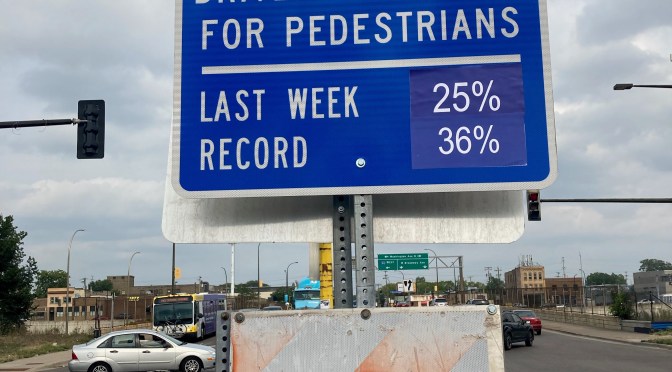
Improving Driver Yielding to Pedestrians at Intersections
Improving the rates of drivers yielding to pedestrians has been challenging despite crosswalk laws. Expanding on an earlier study, researchers further explored the effectiveness of engineering treatments at road crossings, giving agencies a deeper understanding of how to maximize pedestrian safety.
Continue reading Improving Driver Yielding to Pedestrians at Intersections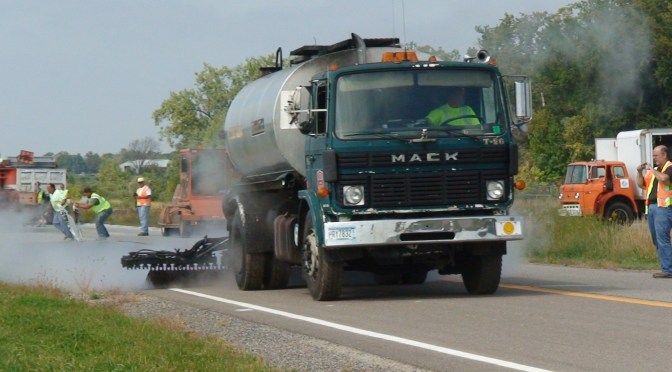
Bio-Material Maintenance Treatments
Aging pavement infrastructure and the deterioration of pavement surfaces over time remain an ongoing challenge in meeting roadway user expectations. Preventive pavement preservation treatments that are applied on sound, structured-condition pavements can extend the pavements’ functional service life and reduce future maintenance costs. Fog seals are one of these treatments. Fog seals are applied by spraying a thin layer of emulsion onto the pavement to slow or in some cases reverse the damage caused by oxidative aging. Asphalt emulsions are the most common material used in fog seals. Rejuvenators are usually added to the formulation to lower its viscosity and possibly even rejuvenate the surface of the existing aged pavement.
Continue reading Bio-Material Maintenance Treatments
Impact of Urban Speed Limit Changes on Driving Speeds
Speed limits are a popular safety measure used in urban areas. A new analysis that monitored driving speeds before and after posted changes to speed limits reveals lower speed limits may not, at least initially, cause drivers to slow down.
Continue reading Impact of Urban Speed Limit Changes on Driving Speeds Crossroads