
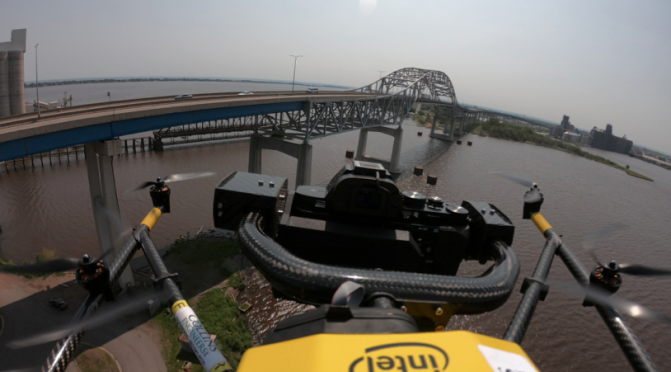
Using drones to inspect bridges allows MnDOT to collect very high quality data while exposing fewer inspectors to far less risk and reducing inconvenience to the public. A new fleet of UAS will be used to conduct inspections statewide.
Continue reading Drone Technology Enhances Bridge Inspections
Diversity and Equity in the Freight Industry: A Moral—and Smart—Business Move
Diversity, equity, and inclusion (DEI) are becoming increasingly important factors in the modern workforce. Integrating DEI is not only a strong moral move that can set an organization apart from its peers but also a way to promote innovation, attract talent, and retain valuable employees in a tight labor market.
Continue reading Diversity and Equity in the Freight Industry: A Moral—and Smart—Business Move
Museum Exhibit Reveals I-35W’s Impact on a South Minneapolis Community
This article was originally published in Catalyst, February 2022.
Many Minnesotans have driven on I-35W through Minneapolis without giving any thought to how the freeway was built—or the impact it’s had on the community. Thanks to the work of several U of M researchers and Twin Cities residents, we now have the opportunity to learn just that.
Continue reading Museum Exhibit Reveals I-35W’s Impact on a South Minneapolis Community
Research Pays Off Webinar Series: Intelligent Compaction Technology as a Service and for Compliance
The National Road Research Alliance (NRRA) is hosting “Intelligent Compaction Technology as a Service and for Compliance – How ICT Research has led to the Removal of Technicians from Construction Sites in the UK” on March 15 at 10 a.m. CST, presented by Ruairi Charlesworth of Highway Data Systems.
Continue reading Research Pays Off Webinar Series: Intelligent Compaction Technology as a Service and for Compliance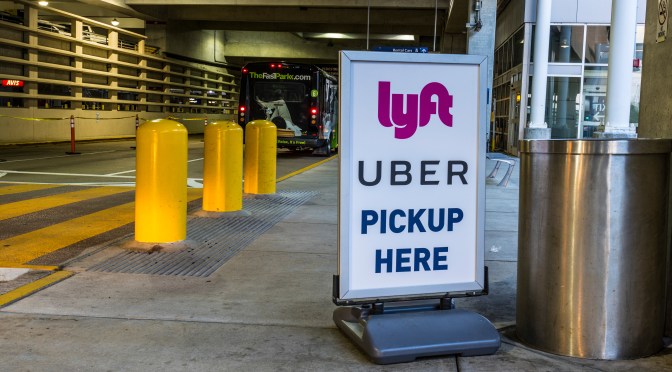
Adding Autonomous Vehicles to Ride-Hailing Fleets Could Benefit Platforms and Drivers
This article was originally published in Catalyst, February 2022.
In recent work, researchers in the U’s Department of Industrial and Systems Engineering (ISyE) examined one potentially important application of autonomous vehicle (AV) technology: ride hailing.
Continue reading Adding Autonomous Vehicles to Ride-Hailing Fleets Could Benefit Platforms and Drivers
New Project: Designing and Implementing Maintainable Pedestrian Safety Countermeasures
In Minnesota, one challenge with installing safety countermeasures for people walking and ensuring year-round access to pedestrian infrastructure is winter maintenance.
Continue reading New Project: Designing and Implementing Maintainable Pedestrian Safety Countermeasures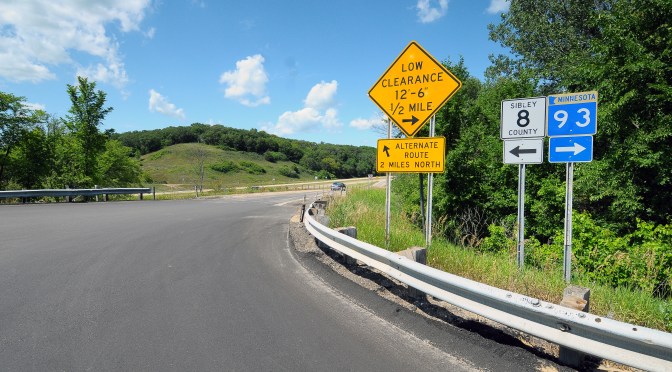
Putting Research Into Practice: Decision-Making Tools for Roadway Management
New guidance and a process framework will help local agency engineers with varying levels of expertise and resources benefit from the experiences of their peers. Using these tools, engineers can take manageable, proactive steps to prioritize investments that maintain and preserve transportation networks.
Continue reading Putting Research Into Practice: Decision-Making Tools for Roadway Management
New Technology and Existing Equipment Improve Statewide Vehicle Classification Counting Process
In a recent study, researchers leveraged previous MnDOT research and existing traffic monitoring infrastructure to refine inductive loop signature technology that counts and classifies vehicles. Positive results have given MnDOT a feasible and cost-effective way to collect vehicle classification data throughout the state for planning and decision-making.
Continue reading New Technology and Existing Equipment Improve Statewide Vehicle Classification Counting Process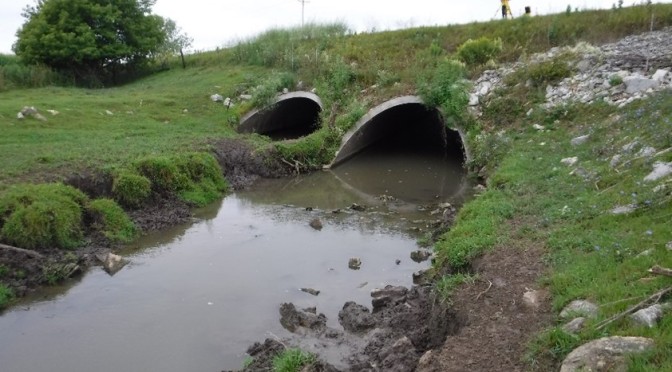
Assessing Culvert Designs for Aquatic Wildlife Capabilities and Future Resiliency
Culverts that influence the speed, depth or flow of a natural waterway can have a detrimental impact on fish populations. By assessing sites across the state, MnDOT sought to identify the effects the culverts have on aquatic wildlife currently and project what potential flooding and drought scenarios could mean in the future.
Continue reading Assessing Culvert Designs for Aquatic Wildlife Capabilities and Future Resiliency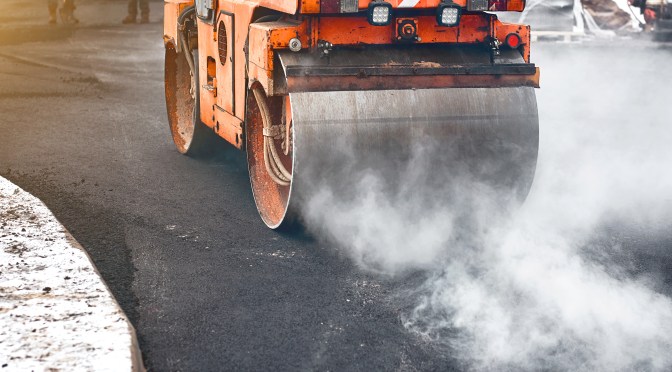
Quantifying the Benefits of Improved Compaction
Compaction is the final and most critical step in asphalt pavement construction. National research conducted several years ago indicated that a slightly more compact pavement than typical could help roads last longer. To understand the relationship between pavement density and long-term performance, MnDOT has built a database with performance data from samples collected soon after they were constructed more than a decade ago. The agency hopes to eventually have enough data to determine the right amount of compaction.
Continue reading Quantifying the Benefits of Improved Compaction
