Traditional practices for planting and maintaining roadside turfgrass in Minnesota have generally focused on finding a few plant species that do well in combination and blanket-prescribing them across the state. A recent U of M study, however, finds that plantings tend to do better when they are both biodiverse and carefully matched to their ideal growing conditions.
A new book—Space, Structures, and Design in a Post-Pandemic World—explores the rebalancing of our physical and digital interactions and what it means for the built environment going forward.
This article was originally posted on Catalyst, January 2023.
The transition to sustainable energy is underway in Minnesota and across the country, propelled by both a growing need to reduce greenhouse emissions and the upcoming influx of funds from new federal legislation. On October 26, 2022, CTS hosted a seminar to explore two important aspects of the energy transition and their impacts on the transportation infrastructure: community solar and electric vehicle (EV) readiness.
While roundabouts improve traffic efficiency and reduce accidents, pedestrian safety concerns linger. A study of driver–pedestrian interactions at roundabouts produced guidance for local agencies to increase driver yielding and enhance the pedestrian experience.
The Future of Mobility series collects the perspectives of top U researchers and other national experts. In 17 articles, the authors scan the horizon and reflect on critical transportation topics. Each article recommends action steps for public officials and policymakers.
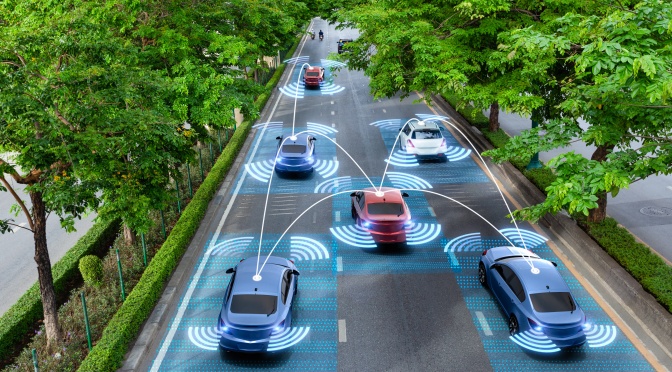
Fuel consumption increases when vehicles stop and start at traffic signals. Transmitting traffic signal data to connected vehicles could control vehicles’ driving speed and limit unnecessary stopping and starting, potentially lowering fossil fuel use. A recent study looked at the benefits and costs of deploying more signal messaging technology to inform future infrastructure investments.
How has the pandemic affected downtown commuters’ travel behavior and perceptions of public transportation?
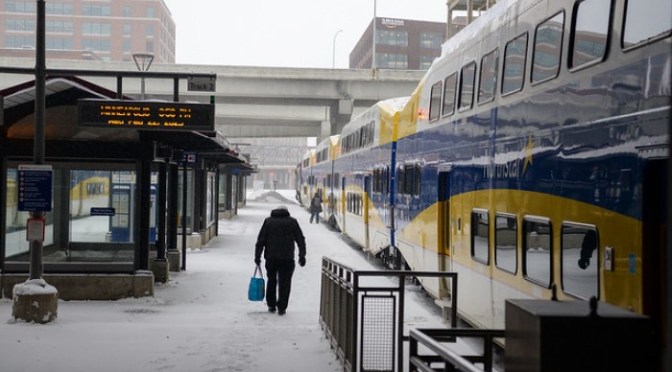
The COVID-19 pandemic has taken a major toll on public transit ridership—raising questions for the future. Will people associate public transportation with health and safety risks and avoid using it? Will they see public transportation as a less desirable transportation alternative?
Local government budgets are continually inadequate to meet increasing transportation maintenance needs. In a recent study, researchers analyzed maintenance investment decision-making in local governments across Minnesota, identifying the fiscal conditions that impact road repair spending, recommending steps to close maintenance funding gaps and providing context to inform communications with decision-makers.