
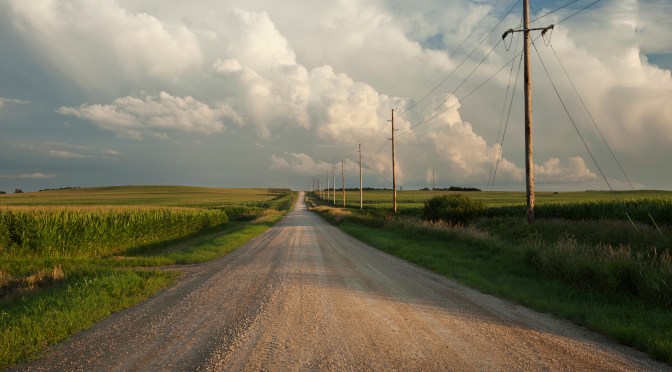
Approximately 50% of roads in Minnesota are gravel. The performance and long-term sustainability of such roads depend on the quality of the surface layer. Unbound large particles can form an unstable road surface that becomes rough, developing potholes and corrugations as this material is scattered by vehicles or washed away by rain. As a result, more frequent maintenance and reconstruction is required, which becomes very expensive for Minnesota counties.
Continue reading New Project: Evaluation of Gravel Stabilizer Used on Gravel Roads and Shoulders
Future of Mobility: Decarbonized transportation
April 26, 2023
The Future of Mobility series collects the perspectives of top U researchers and other national experts. In 17 articles, the authors scan the horizon and reflect on critical transportation topics. Each article recommends action steps for public officials and policymakers.
Continue reading Future of Mobility: Decarbonized transportation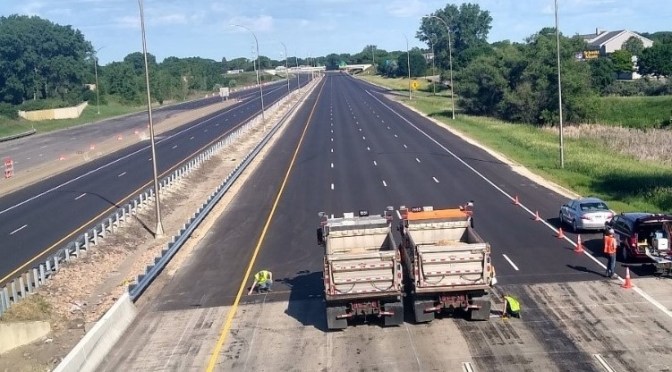
New methods to determine safe bridge loading will help keep Minnesota’s truck freight moving
April 10, 2023
When transportation officials determine which route a heavy truck should take, their aim is maximizing efficiency while ensuring safety. Detours around bridges on critical freight routes increase fuel and labor costs for the trucking industry—and eventually hit consumer pocketbooks, too.
Continue reading New methods to determine safe bridge loading will help keep Minnesota’s truck freight moving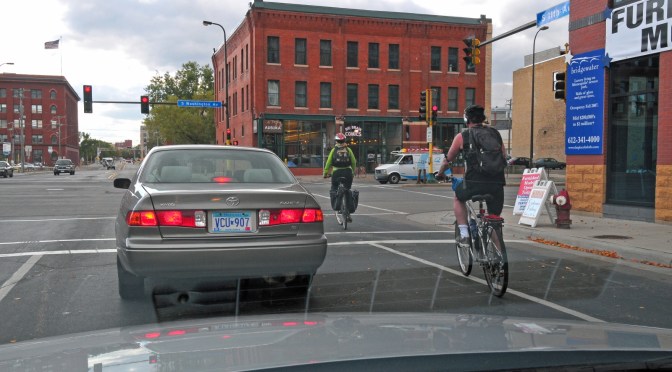
Short Films, Big Visions: Transportation-themed films spark conversation about community connections
April 4, 2023
Dozens of community members and transportation advocates tuned in to “Short Films, Big Visions: A Series on Transportation and Community” on February 23. Co-hosted by CTS and the Humphrey School of Public Affairs, the virtual event featured a screening of short films produced by the Redford Center for its “Community Power” series followed by an engaging panel discussion.
Continue reading Short Films, Big Visions: Transportation-themed films spark conversation about community connections
Surge pricing for rides influences customer evaluation of driver performance
April 13, 2023
Surge pricing in rideshare apps leads to more complaints from customers, which ultimately eats away at drivers’ incomes, according to new U of M research.
Continue reading Surge pricing for rides influences customer evaluation of driver performance
Helping automated vehicles ‘see’ through fog and snow
April 18, 2023
While fully automated vehicles (AVs) have not yet reached the roads, the work to get them market-ready is steadily moving forward. One of the essential technologies these vehicles rely on for safety and performance is lidar, which has traditionally experienced a loss of accuracy in bad weather.
Continue reading Helping automated vehicles ‘see’ through fog and snow
Study recommends biodiversity when planting roadside vegetation
April 24, 2023
Traditional practices for planting and maintaining roadside turfgrass in Minnesota have generally focused on finding a few plant species that do well in combination and blanket-prescribing them across the state. A recent U of M study, however, finds that plantings tend to do better when they are both biodiverse and carefully matched to their ideal growing conditions.
Continue reading Study recommends biodiversity when planting roadside vegetation
MnDOT Library is Among State Government Libraries Recognized by Gov. Walz
Gov. Tim Walz proclaimed April 23-29 Capitol Area Library Consortium Week to recognize CALCO libraries during National Library Week.
Continue reading MnDOT Library is Among State Government Libraries Recognized by Gov. Walz
New book: Space, Structures, and Design in a Post-Pandemic World
A new book—Space, Structures, and Design in a Post-Pandemic World—explores the rebalancing of our physical and digital interactions and what it means for the built environment going forward.
Continue reading New book: Space, Structures, and Design in a Post-Pandemic World
How will the energy transition impact transportation?
This article was originally posted on Catalyst, January 2023.
The transition to sustainable energy is underway in Minnesota and across the country, propelled by both a growing need to reduce greenhouse emissions and the upcoming influx of funds from new federal legislation. On October 26, 2022, CTS hosted a seminar to explore two important aspects of the energy transition and their impacts on the transportation infrastructure: community solar and electric vehicle (EV) readiness.
Continue reading How will the energy transition impact transportation? Crossroads