
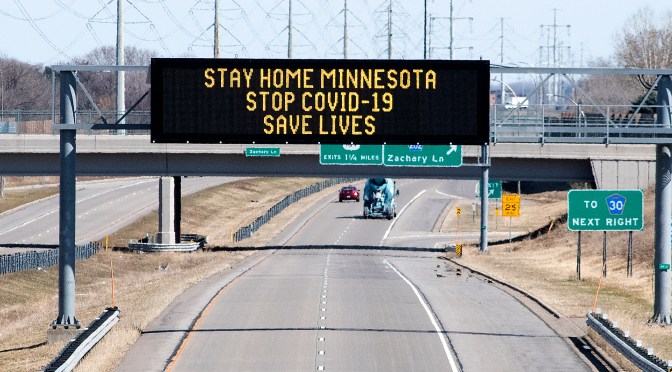
Work-at-home orders during the COVID-19 pandemic resulted in drastic reductions in traffic congestion. To aid in highway planning and also inform state telework policies, MnDOT wanted to learn about telecommuting during the pandemic and future forecasts of remote work from both employers and employees of private and public organizations.
Continue reading Understanding Telecommuting Trends for Traffic Management
The Intersection of Health and Transportation: A Planning Framework for MnDOT
This article was originally published in Catalyst, May 2022.
Transportation is a crucial contributor to health: It directly shapes the social and physical environments in myriad ways and determines the types of places where people can live, learn, work, and play in their everyday lives.
Continue reading The Intersection of Health and Transportation: A Planning Framework for MnDOT
Developing Transportation Systems Climate Resilience Performance Measures
Climate change is exacerbating weather-related impacts on the transportation system. As floods, droughts, wildfires and other extreme weather events become more common and destructive, transportation infrastructure will need to adapt to become more resilient.
Continue reading Developing Transportation Systems Climate Resilience Performance Measures
Researcher Charts Path for Greater use of Electric Freight Vehicles in Minnesota
This article was originally published in Catalyst, May 2022.
In Minnesota, trucking produces about 13 percent of the total pollutants in the state. Moreover, a 2019 EPA report identified the transportation sector as the source of the highest share of greenhouse gas emissions in the United States, a problem compounded by the fact that this pollution is more concentrated in urban areas.
Continue reading Researcher Charts Path for Greater use of Electric Freight Vehicles in Minnesota
How Did COVID Impact Biking and Walking in Minnesota? Trail Data Holds Answers, Say U of M Researchers
This article was originally published in Catalyst, May 2022.
Photos and stories about people biking and walking on packed trails were common during the early stages of the COVID-19 pandemic. Transportation researchers also reported surges in bicycling and walking during this time of social restrictions and widespread closures, but little was known about how those surges related to longer-term trends.
Continue reading How Did COVID Impact Biking and Walking in Minnesota? Trail Data Holds Answers, Say U of M Researchers

Tractor, Meet Snowplow: Snow Removal Innovation
Over the years, dozers have been the desired tool for pushing snow drifts back along highways. While dozers work well, they are limited by the drivability between drift locations.
Continue reading Tractor, Meet Snowplow: Snow Removal Innovation
COVID-19 Travel Reductions: Lessons for Relieving Traffic Congestion
As the COVID-19 pandemic restrictions in 2020 kept people at home, reduced travel and, therefore, traffic congestion were to be expected. But how much of an impact did the restrictions have on traffic congestion? After analyzing changes in traffic levels due to the COVID-19 pandemic travel restrictions, researchers identified how incremental changes in vehicle miles traveled impact regional congestion. These results will inform efforts by MnDOT and its partners on the outcomes of reduced travel demand.
Continue reading COVID-19 Travel Reductions: Lessons for Relieving Traffic Congestion
Reusing Local Byproducts in Sustainably Designed Soils
After road construction, soil in revegetation areas must retain adequate stormwater and provide stable embankments along the road. Revegetation can be challenging due to thin topsoil, and it often requires importing healthy organic soil and exporting excess construction soil generally unsuitable for plant growth.
Continue reading Reusing Local Byproducts in Sustainably Designed Soils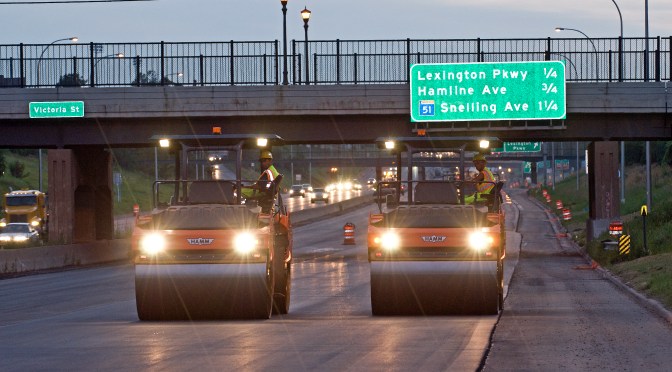
Optimizing Pavement Network Maintenance
Maintaining Minnesota’s 14,000 miles of pavement is challenging, especially with the growth in traffic volume resulting in system needs that exceed available funding. New ways to characterize pavement conditions and methodologies to determine the optimal maintenance schedule for individual road segments will allow planners to optimize resources while providing the highest possible ride quality across the pavement network.
Continue reading Optimizing Pavement Network Maintenance Crossroads