

A recent study determined the effectiveness of a two-cell iron-enhanced stormwater filtration basin to remove phosphorus from highway stormwater runoff collected from 2012 to 2018. Researchers recommended design changes that would allow for more accurate monitoring of these filter basins.
Continue reading Monitoring Performance of an Iron-Enhanced Stormwater Filtration SystemCategory Archives: Environment
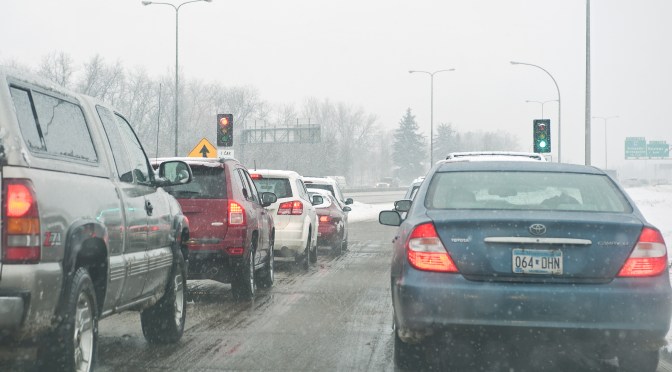
New Project: Have Minnesota’s Warmer Winters Increased the Number of Freeze Thaw Cycles?
Minnesota is experiencing warmer winters and an increase in freeze-thaw events may negatively impact pavement systems. However, the impacts of these recent climate changes on freeze-thaw cycles have not been well studied.
Continue reading New Project: Have Minnesota’s Warmer Winters Increased the Number of Freeze Thaw Cycles?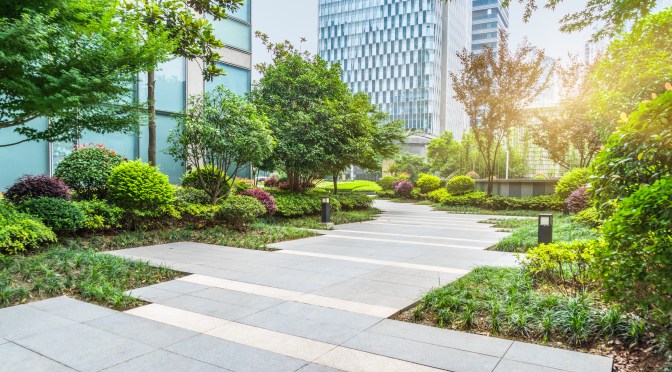
Green Stormwater Infrastructure: Tradeoffs and Maintenance
This article was originally published in Catalyst, August 2020.
Using “green” infrastructure is a useful strategy for handling city stormwater, which may contain deicers and other contaminants from streets and sidewalks. Choosing the right method and ensuring it doesn’t cause unforeseen damage, however, is another matter.
Continue reading Green Stormwater Infrastructure: Tradeoffs and Maintenance
Link Between Air Quality, Happiness Could Guide Infrastructure Decisions
This article was originally published in Catalyst, August 2020.
By connecting measures of happiness to transportation, researchers are developing new metrics that can help cities prioritize infrastructure investments. In a new study, a research team that included Humphrey School of Public Affairs professor Yingling Fan found that air quality appears to be linked with a variety of emotional well-being (EWB) outcomes.
Continue reading Link Between Air Quality, Happiness Could Guide Infrastructure Decisions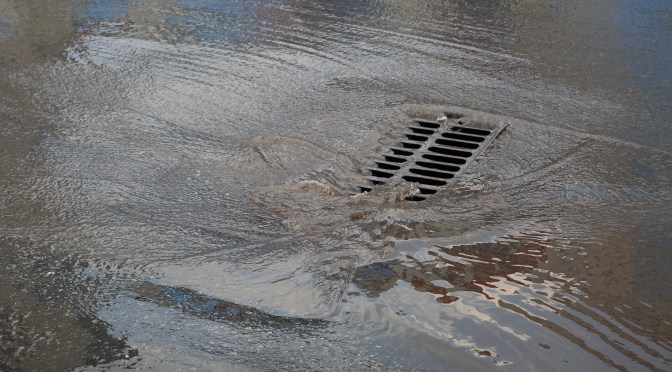
New Project: Climate Change Adaptation of Urban Stormwater Infrastructure
Climate change scenarios have been fairly well-tested and vetted. Moore et al. (2015) found that one of the noteworthy impacts on upper Midwest cities is an increase of storm magnitude of 39% (moderate scenario) to 163% (pessimistic scenario). However, the impact of these scenarios on stormwater infrastructure are not well understood and documented. There are some important financial decisions that need to be made for stormwater infrastructure in the present and near-future, requiring demonstration and discussion of the impacts of climate change on stormwater infrastructure.
Continue reading New Project: Climate Change Adaptation of Urban Stormwater Infrastructure
Improving Roadside Turfgrass Establishment
Just in time for spring, new guidance is available from the Minnesota Local Research Board on the best irrigation methods to establish fresh turfgrass. Researchers tested five irrigation methods for watering new installations of salt-tolerant turfgrass. They developed an instructional course for contractors and guidance for homeowners to promote successful turfgrass installation.
Continue reading Improving Roadside Turfgrass Establishment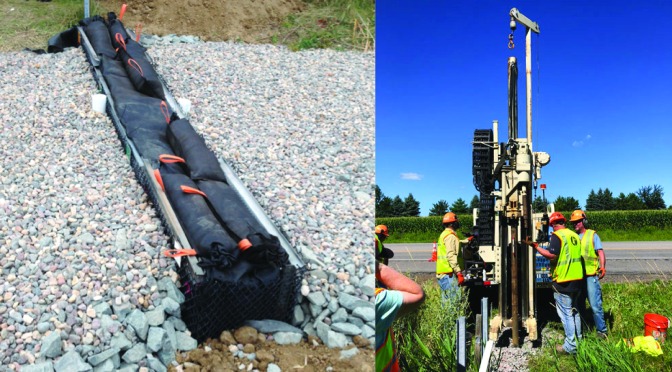
Redesigned iron-enhanced ditch checks could help filter pollutants from stormwater runoff
This article was originally published in Catalyst, April 2020.
The Minnesota Department of Transportation (MnDOT) is exploring innovative ways to filter pollutants from stormwater runoff and meet permit requirements for construction projects. In a recent study, U of M researchers documented the performance of an iron-enhanced ditch check filter to remove phosphates from stormwater. They found that the filter was effective, though its performance decreased over time.
Continue reading Redesigned iron-enhanced ditch checks could help filter pollutants from stormwater runoff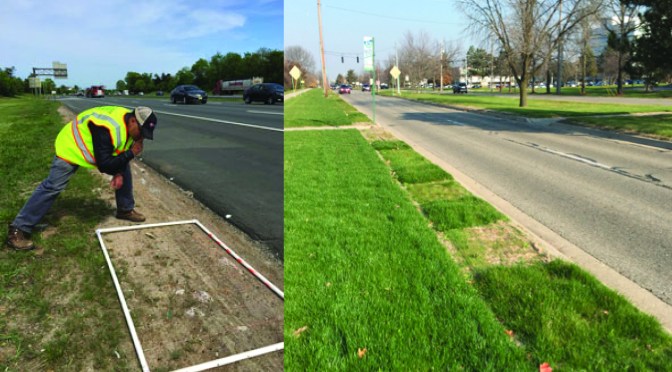
Regional effort tests turfgrass performance in cold climate states
This article was originally published in Catalyst, April 2020.
Vibrant green grass along roadways is a common sight across urban and rural landscapes in Minnesota and many other states, but its survival is a significant challenge—especially in cold climates. Roadway salt and other stressors can cause turfgrass installations to fail, requiring expensive reseeding or sodding efforts.
Continue reading Regional effort tests turfgrass performance in cold climate states
Innovative Research to Improve Bumble Bee Habitat
Entomologists have developed an innovative method for surveying bumble bees alongside Minnesota roadways, the results of a new research study funded by the Minnesota Department of Transportation.
Research shows that MnDOT roadsides offer rich bumble bee habitats. The study offers information on surveying bee habitats and recommendations for improving habitats.
Continue reading Innovative Research to Improve Bumble Bee Habitat
Collaboration with Minnesota Zoo aims to conserve wildlife
Turtles and other wildlife are at risk along Minnesota roadways.
MnDOT is collaborating with the Minnesota Zoo on a new research project installing small animal exclusion fencing. The fencing is intended to redirect turtles (and other small animals) to culverts and bridges where they can cross the road safely.
Continue reading Collaboration with Minnesota Zoo aims to conserve wildlife Crossroads