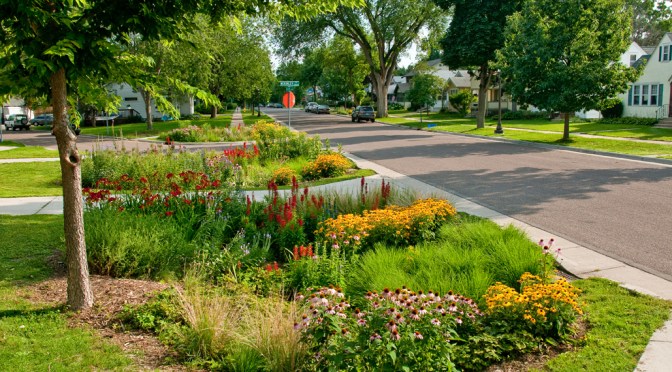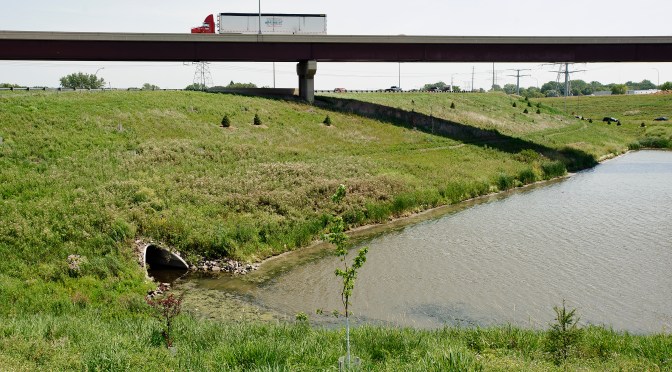
Managing stormwater is important to prevent flooding and associated safety risks; impacts to the environment; and damage to property, roads and bridges. As severe storms increase, MnDOT wants to ensure its stormwater diversion infrastructure can keep communities, roads and ecosystems safe from flooding. New research is helping the agency understand projected stormwater flows and identify cost-effective strategies and other adaptation considerations to manage stormwater.
Continue reading Assessing Urban Stormwater Infrastructure Capacity for Severe StormsTag Archives: stormwater
Treating Stormwater with Local By-Products Reduces Road Construction Costs, Minimizes Waste
This article was originally published in Catalyst, August 2022.
Ongoing research is looking into the possibility of using local industrial waste for roadside stormwater construction projects. This would help reduce material and transportation costs and put otherwise wasted materials to use.
Continue reading Treating Stormwater with Local By-Products Reduces Road Construction Costs, Minimizes WastePond Maintenance Strategies to Retain Phosphorus
Cities and counties depend on stormwater retention ponds to protect water quality in lakes and streams. New research sponsored by the Minnesota Local Road Research Board has identified cost-effective methods for ensuring pollutants remain in pond sediment and are not released into other bodies of water.
Continue reading Pond Maintenance Strategies to Retain PhosphorusReusing Local Byproducts in Sustainably Designed Soils
After road construction, soil in revegetation areas must retain adequate stormwater and provide stable embankments along the road. Revegetation can be challenging due to thin topsoil, and it often requires importing healthy organic soil and exporting excess construction soil generally unsuitable for plant growth.
Continue reading Reusing Local Byproducts in Sustainably Designed SoilsNew Tools and Protocols for Successful Infiltration Facilities
Roadside infiltration facilities like wet ponds and swales have been used for more than 30 years to filter roadway contaminants from stormwater runoff, but they have a high rate of failure due to inaccurate determination of soil infiltration rates.
Continue reading New Tools and Protocols for Successful Infiltration FacilitiesNew Resource for Manhole and Catch Basin Installation
Finding resources that address manhole and catch basin issues occurring in Minnesota can be challenging. In a recent project, researchers surveyed 83 municipalities and interviewed other engineers and product representatives to gather data about manhole and catch basin installation and maintenance practices. The resulting report provides current information for municipal engineers about these essential installations.
Continue reading New Resource for Manhole and Catch Basin InstallationStormwater Bioslope Site Monitoring Continues Using Local Filter Media
MnDOT and local agencies control stormwater runoff from roadways through a range of settlement, filtration and infiltration facilities, such as wet ponds, infiltration basins, trenches and swales. Infiltration facilities have been used for more than 30 years, but a high rate of failure has been tied to inaccurate determination of soil infiltration rates. Researchers developed new tools and protocols to provide designers and engineers with the accurate infiltration measures they need, from initial site selection through construction. These tools and methods will support the development of successful stormwater infiltration facilities along Minnesota roadways.
Continue reading Stormwater Bioslope Site Monitoring Continues Using Local Filter MediaA Long-Term Approach to Green Stormwater Infrastructure
This article was originally published in Catalyst, May 2021.
Strategies for managing stormwater runoff have been steadily undergoing a shift in recent decades toward “green” infrastructure. This is a potentially beneficial change, but transportation professionals are beginning to recognize a need for better information on how to properly design, implement, and maintain these facilities.
Continue reading A Long-Term Approach to Green Stormwater InfrastructureMonitoring Performance of an Iron-Enhanced Stormwater Filtration System
A recent study determined the effectiveness of a two-cell iron-enhanced stormwater filtration basin to remove phosphorus from highway stormwater runoff collected from 2012 to 2018. Researchers recommended design changes that would allow for more accurate monitoring of these filter basins.
Continue reading Monitoring Performance of an Iron-Enhanced Stormwater Filtration SystemGreen Stormwater Infrastructure: Tradeoffs and Maintenance
This article was originally published in Catalyst, August 2020.
Using “green” infrastructure is a useful strategy for handling city stormwater, which may contain deicers and other contaminants from streets and sidewalks. Choosing the right method and ensuring it doesn’t cause unforeseen damage, however, is another matter.
Continue reading Green Stormwater Infrastructure: Tradeoffs and Maintenance