
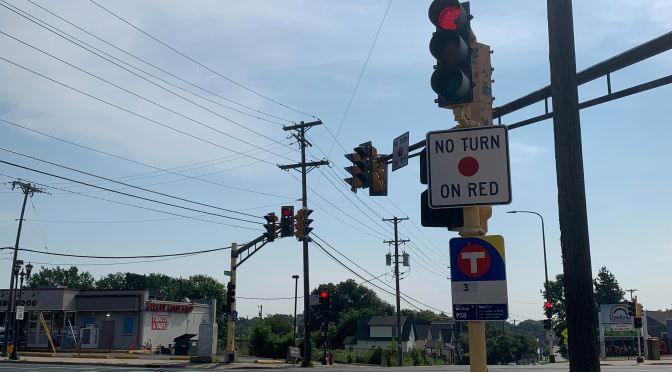
Preventing right turns on red at traffic signals is a generally effective pedestrian safety measure. But when pedestrians are absent, allowing right turns on red can improve traffic flow. Unlike static signs that prohibit right turns on red, dynamic No Right Turn on Red (NRTOR) signs can be activated when pedestrians are present. Comparing driver compliance with dynamic and static signs indicated that each sign type may have its own benefits.
Continue reading Comparing the Effectiveness of No Right Turn on Red Sign Types at Traffic SignalsTag Archives: MnDOT
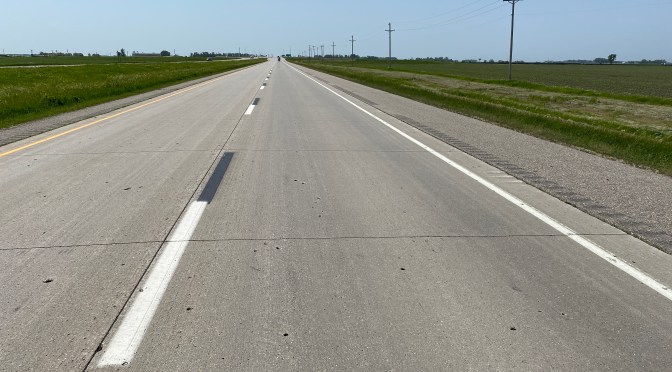
Examining Driver Preferences for Lane Line Patterns and Widths
Pavement markings that clearly delineate lanes are important for reducing crashes and improving the safety of drivers. The configurations of these pavement markings—primarily the width and length of the line and the spacing of broken lines—vary from state to state. This project identified driver preferences for pavement marking patterns and widths, which can increase visibility and improve safety.
Continue reading Examining Driver Preferences for Lane Line Patterns and Widths
Understanding the Performance of Road Base Stabilization Additives
Full-depth reclamation (FDR)—an effective and efficient pavement reconstruction method—can be made even more sustainable by strengthening the road base. Laboratory and field testing of proprietary stabilizers used to amend FDR material illustrated improvements in pavement stiffness and economic benefits over time. New pavement design standards for base stabilizers can guide road engineers in choosing the optimal products for sustainable roads.
Continue reading Understanding the Performance of Road Base Stabilization Additives
New Project: Roundabouts, J-Turns, etc. – Understanding Their Economic Impacts
Roundabouts and J-turns have consistently shown significant improvements in safety and traffic flow in Minnesota and across the U.S. Still, some community residents and businesses oppose replacing traditional intersections with alternative intersections like roundabouts or J-turns.
Continue reading New Project: Roundabouts, J-Turns, etc. – Understanding Their Economic Impacts
New Smartphone App Uses GPS Technology to Warn Drivers of Lane Departures
Preventing vehicles from drifting out of traffic lanes is a top safety priority for transportation officials. An ongoing research project has produced a smartphone app that alerts drivers when their vehicles drift from a lane. The current phase of the project improved upon earlier versions of the app by adding GPS and significantly increasing the effectiveness of lane departure detection.
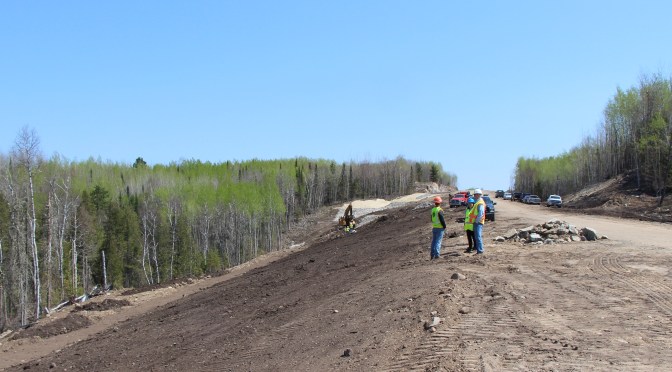
Reusing Local By-Products to Create Sustainable Roadside Soil
Vegetated roadsides in Minnesota help control stormwater quantity and pollutant levels before the water reaches lakes, streams and communities. Because leftover soil from road construction generally does not support filtration and plant growth, MnDOT and local engineers have continued research to identify organically rich, locally available industrial by-products to amend the soil. Engineered soil mixes with materials such as dredge sand, coarse street sweepings and ash sawdust show high potential for providing a sustainable, efficient solution.
Continue reading Reusing Local By-Products to Create Sustainable Roadside Soil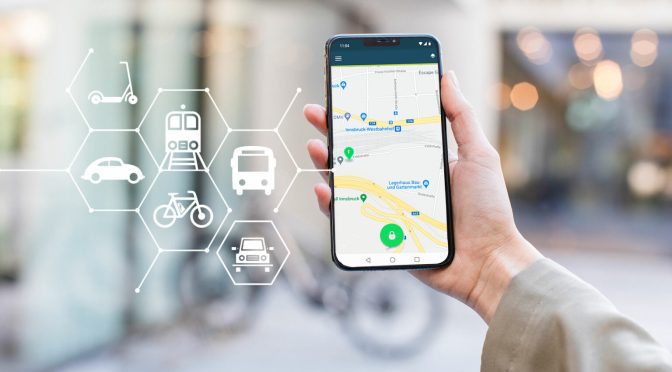
In rural Minnesota, transit planning apps could boost ridership
Reprinted from CTS News, February 11, 2025
Mobility-as-a-Service (MaaS) transit planning apps provide a simple, convenient way for transit users to plan trips, make payments, and book on-demand rides—enhancing the user experience and encouraging more transit use. While prevalent in urban areas, these apps are uncommon in rural settings.
Continue reading In rural Minnesota, transit planning apps could boost ridership
New Project: Amount of Bituminous Surface Lost Each Year
Approximately 62,000 miles of Minnesota’s roads are bituminous, or asphalt, surfaces. Bituminous roads are cost-effective and offer improved ride quality and safety.
Continue reading New Project: Amount of Bituminous Surface Lost Each Year
Safety Considerations Associated with Driverless Shuttles
Driverless vehicles present an enticing opportunity for increased traffic safety and reduced labor costs. However, technical issues and concerns remain regarding the interaction between driverless vehicles and human drivers. This project included observing and analyzing the interactions of a driverless shuttle and other road users in a pedestrian-heavy area to develop strategies for decreasing potential threats. Increasing the speed of the driverless shuttle and displaying clearer electronic messaging on the back of the shuttle could improve safety challenges.
Continue reading Safety Considerations Associated with Driverless Shuttles
Improving Pedestrian Safety on Reservations in Minnesota
MnDOT has identified Native Americans as one of six priority populations in the state that experience disproportionate risks as pedestrians. To access everyday services such as grocery stores, workplaces and schools, pedestrians may have to cross a state or county roadway at unmarked crossings. Installing traffic safety countermeasures at these crossings is intended to reduce the risk faced by pedestrians. This project analyzed pedestrian safety at 23 locations within seven reservations and the effectiveness of countermeasures implemented at six locations.
Continue reading Improving Pedestrian Safety on Reservations in Minnesota Crossroads