The 2025 Salt Symposium highlighted two studies from Canada, one comparing salt applications on permeable and asphalt surfaces and another considering the impact of climate change on municipal operations. Hosted by Bolton & Menk, the August 5 Salt Symposium brought together professionals from throughout the world to share research, projects, and approaches for chloride management.
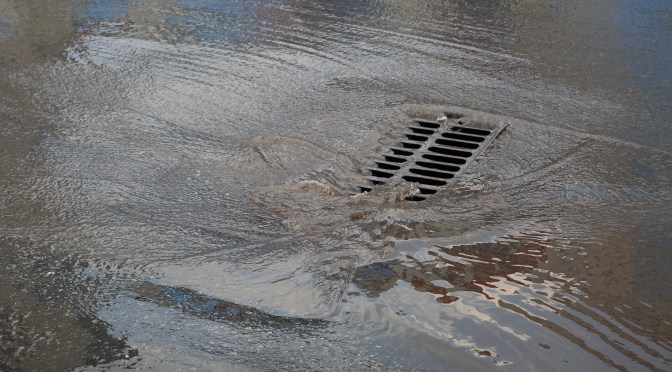
MnDOT designs stormwater management infrastructure based on historical rainfall data and traditional design assumptions, including rainfall intensity and distribution, rainfall event duration and existing moisture conditions. Stormwater management infrastructure designed using traditional design parameters determines the risk of flooding, property damage and human safety in communities.
Reprinted from CTS News, March 21, 2024 —Sophie Koch, contributing writer
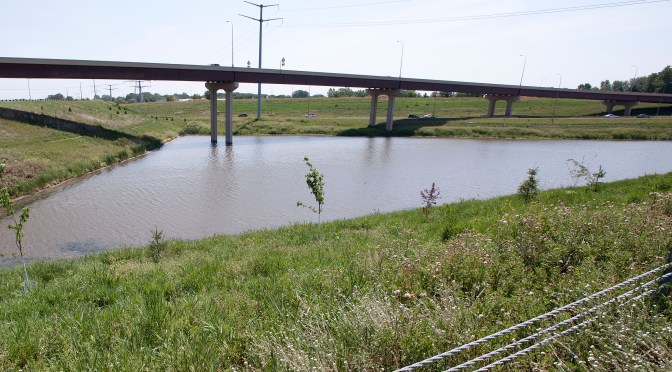
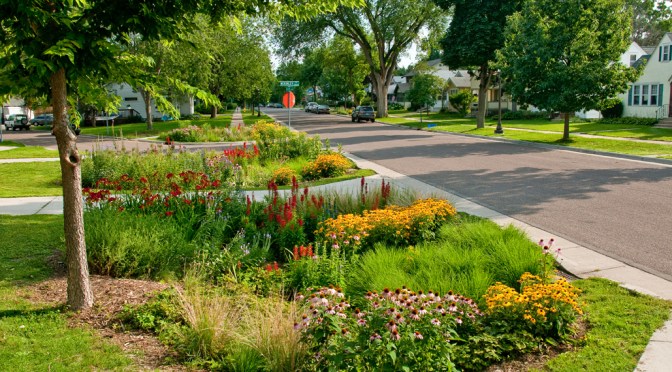
Changing precipitation patterns caused by the onset of climate change mean that Minnesota’s stormwater management systems—the ponds, pipes, and other structures meant to control runoff in the event of a heavy rainstorm—are going to need an upgrade.
Managing stormwater is important to prevent flooding and associated safety risks; impacts to the environment; and damage to property, roads and bridges. As severe storms increase, MnDOT wants to ensure its stormwater diversion infrastructure can keep communities, roads and ecosystems safe from flooding. New research is helping the agency understand projected stormwater flows and identify cost-effective strategies and other adaptation considerations to manage stormwater.
This article was originally posted on Catalyst, January 2023.
The transition to sustainable energy is underway in Minnesota and across the country, propelled by both a growing need to reduce greenhouse emissions and the upcoming influx of funds from new federal legislation. On October 26, 2022, CTS hosted a seminar to explore two important aspects of the energy transition and their impacts on the transportation infrastructure: community solar and electric vehicle (EV) readiness.
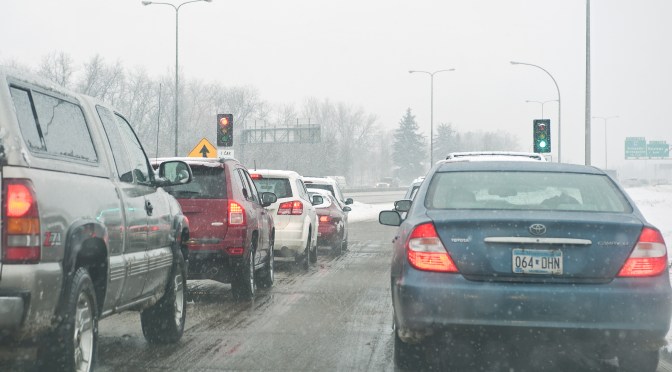
Minnesota’s winters have been warming significantly faster than summers over the last several decades. In fact, the state’s winters are among the fastest warming in the U.S. This warming trend is likely increasing the time in which winter temperatures are near freezing, which could increase the number of freeze-thaw events. An increase in freeze-thaw events could have detrimental effects on Minnesota’s pavement systems.
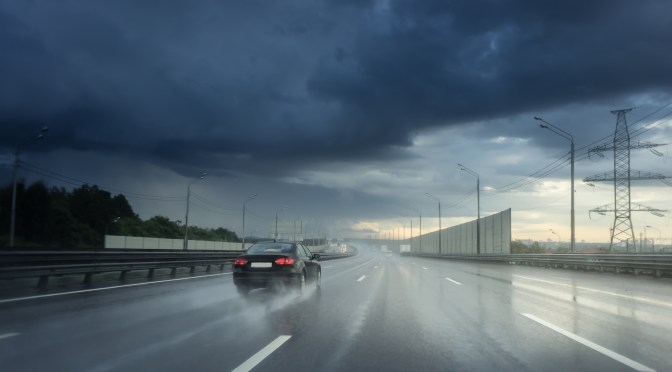
Climate change is exacerbating weather-related impacts on the transportation system. As floods, droughts, wildfires and other extreme weather events become more common and destructive, transportation infrastructure will need to adapt to become more resilient.
Minnesota is experiencing warmer winters and an increase in freeze-thaw events may negatively impact pavement systems. However, the impacts of these recent climate changes on freeze-thaw cycles have not been well studied.
Climate change scenarios have been fairly well-tested and vetted. Moore et al. (2015) found that one of the noteworthy impacts on upper Midwest cities is an increase of storm magnitude of 39% (moderate scenario) to 163% (pessimistic scenario). However, the impact of these scenarios on stormwater infrastructure are not well understood and documented. There are some important financial decisions that need to be made for stormwater infrastructure in the present and near-future, requiring demonstration and discussion of the impacts of climate change on stormwater infrastructure.




 Crossroads