Positive offset left-turn lanes are one solution to improving left-turning motorists’ visibility of opposing through and right-turning traffic.
MnDOT is revising its Road Design Manual and seeks to incorporate more information, policies and design guidance regarding positive offset left-turn lanes.
Researchers from the University of Wisconsin’s Traffic Operations and Safety Laboratory reviewed safety performance data from research that examined left-turn offsets. They also consulted 23 state DOT road design guides to understand the extent of available guidance.
Researchers examined the practice of reducing the binder content of cold in-place asphalt recycling mixtures in the field on especially hot days to improve workability. Laboratory testing of mixtures at various temperatures and binder levels found the practice keeps mixtures workable, improves compaction and does not significantly diminish performance.
Researchers developed sophisticated models for high-density asphalt pavement mixtures. After calibrating the model to experimental data available from 5 percent air void asphalt mixtures, the research team conducted tests on three Minnesota mixtures to further refine the model. A Phase II study will develop multiple high-density mix designs for Minnesota applications.
Keeping Minnesota’s roadsides green is about more than just aesthetics—healthy turfgrass can improve water quality, reduce erosion and road noise, and provide animal habitat. However, harsh conditions such as heat, drought, and salt use can make it difficult for roadside turfgrass to thrive.
Researchers tested a wide variety of turfgrass cultivars over several growing seasons—in both urban and rural environments across five states.
Using an existing county road
project as context, researchers examined the digital technologies and processes
associated with civil integrated management (CIM). A comparison of CIM with the
traditional methods used in the proposed county project demonstrated the advantages
of CIM.
In a recently completed project, funded by the Local Road Research Board, researchers developed a reference tool and compiled a literature review that local agencies could use to anticipate the infrastructure needs of connected and automated vehicles. Agencies can use these resources to plan for infrastructure upgrades and maintenance activities.
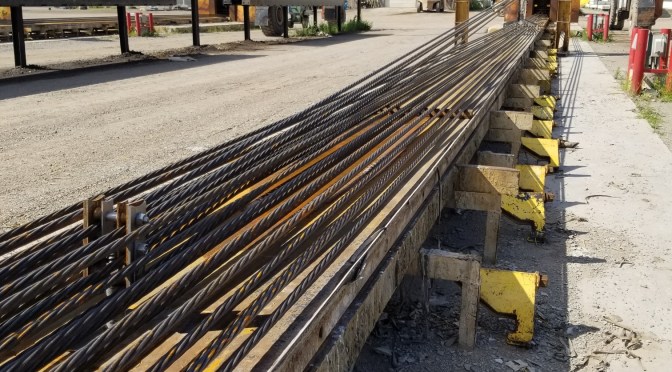
A new MnDOT-funded research study has found that most agencies in states with weather similar to Minnesota’s use debonded strands in prestressed concrete bridge beams. MnDOT may begin piloting debonding as an alternative to draping, which manufacturers claim is time-consuming, challenging to worker safety and expensive.
Turtles and other wildlife are at risk along Minnesota roadways.
MnDOT is collaborating with the Minnesota Zoo on a new research
project installing small animal exclusion fencing. The fencing is
intended to redirect turtles (and other small animals) to culverts and bridges
where they can cross the road safely.
Researchers ran a sophisticated low-temperature asphalt cracking performance test at multiple labs to study the test, its variability and repeatability, and its additional promise in studying reflective cracking susceptibility of overlays. Results put MnDOT closer to implementing test specifications for low-temperature cracking test for pavement mixes.




 Crossroads