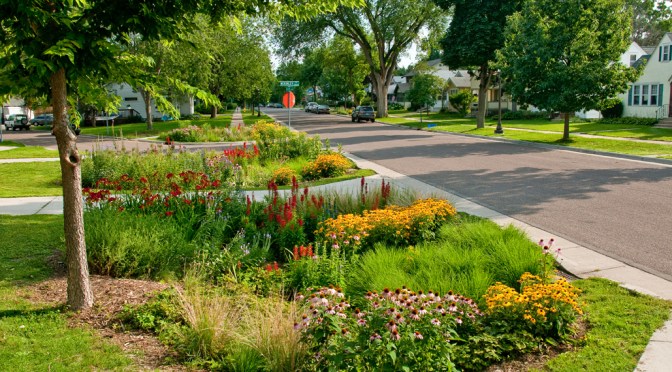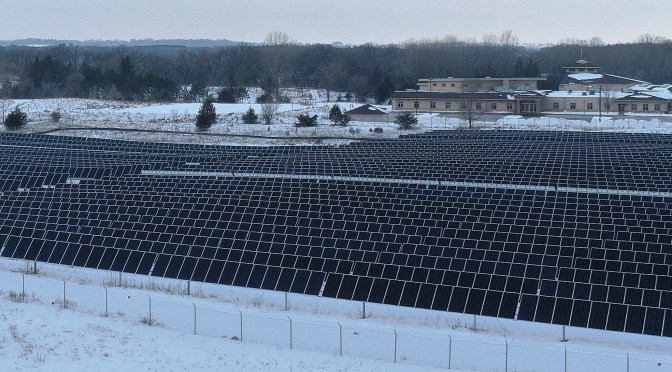
Stormwater ponds and wetlands reduce flood risk and keep pollutants from entering other bodies of water. As ponds age and change, however, they may not perform as designed. Local agencies now have tools to assess whether a pond is likely to retain phosphorus, which can help guide stormwater management efforts.
Continue reading Assessing Stormwater Ponds for Phosphorus RetentionCategory Archives: Environment
New Project: Assessing a New Tool for Early Detection of Endangered Turtles on Proposed Transportation Projects
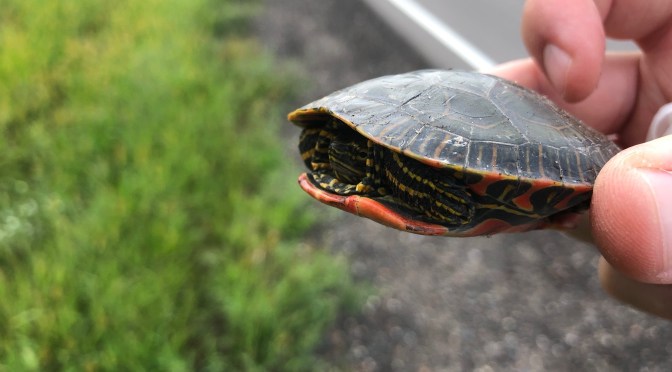
As turtle populations decline worldwide, increased protections (e.g. United States Endangered Species Act) yield increased regulatory burdens. As a consequence, monitoring of imperiled turtle species is imperative to understand both their extant distributions, but also to ensure regulatory compliance.
However, conventional methods for surveying turtles are frequently costly, time consuming, require taxonomic expertise, and unlikely to yield detections without repeated visits. And these burdens are exacerbated when sampling rare, threatened, or endangered (RTE) species. In these instances, innovative technological advances may overcome these limitations, ultimately streamlining monitoring.
Continue reading New Project: Assessing a New Tool for Early Detection of Endangered Turtles on Proposed Transportation ProjectsEvaluating MnDOT’s Turfgrass Seed Variety List and Approval Process
As climate conditions change and seed development processes advance, some grass varieties may perform better than others. New research will allow MnDOT to update its approved turfgrass list and ensure it remains up to date with the most effective varieties.
Continue reading Evaluating MnDOT’s Turfgrass Seed Variety List and Approval ProcessStrategies improve pollinator roadside habitat, reduce costs
First published in Catalyst, May 22, 2023.
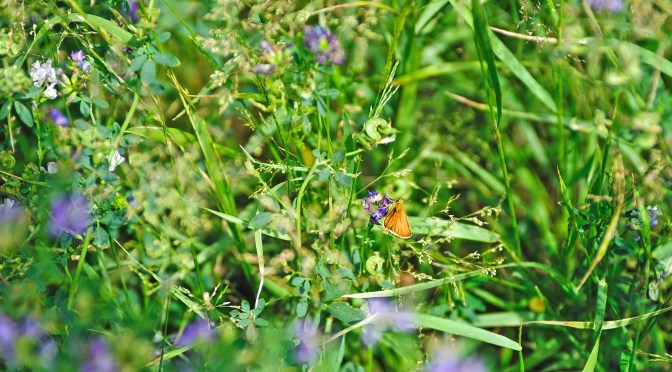
Transportation agencies revegetate roadsides after construction projects to provide road stability, stormwater filtration, and visual appeal. Revegetation is also a good opportunity to create pollinator-friendly habitat. However, planting and maintaining ditches can be expensive, funds for such projects are usually limited, and there isn’t much data on which methods actually work.
Continue reading Strategies improve pollinator roadside habitat, reduce costsMonitoring Bumble Bee Populations in the Twin Cities Metro – Lessons Learned
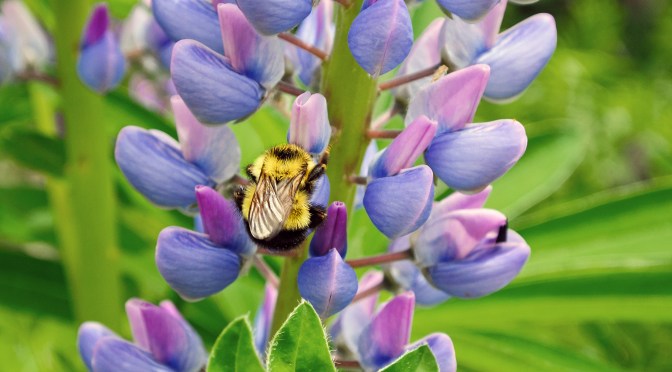
In a project funded by MNDOT, entomologists developed an innovative method for surveying bumble bee populations alongside roadways. The researchers have recently published an article in Biological Conversations, Vol 283 focusing on the lessons learned about sampling when surveying these quick-moving bees.
Continue reading Monitoring Bumble Bee Populations in the Twin Cities Metro – Lessons LearnedExploring a State-Tribal Partnership to Advance Energy Goals
MnDOT has a unique opportunity to make progress toward its renewable energy goals and enhance the government-to-government relationship with the Red Lake Nation. Initial analyses of an innovative energy partnership indicate potential mutual and multiple benefits for MnDOT and the tribe.
Continue reading Exploring a State-Tribal Partnership to Advance Energy GoalsCTS Webinar: Transportation and Climate Action
Wednesday, May 31, 2023
10:00 a.m.–11:30 a.m. Central
Study recommends biodiversity when planting roadside vegetation
April 24, 2023
Traditional practices for planting and maintaining roadside turfgrass in Minnesota have generally focused on finding a few plant species that do well in combination and blanket-prescribing them across the state. A recent U of M study, however, finds that plantings tend to do better when they are both biodiverse and carefully matched to their ideal growing conditions.
Continue reading Study recommends biodiversity when planting roadside vegetationHow will the energy transition impact transportation?
This article was originally posted on Catalyst, January 2023.
The transition to sustainable energy is underway in Minnesota and across the country, propelled by both a growing need to reduce greenhouse emissions and the upcoming influx of funds from new federal legislation. On October 26, 2022, CTS hosted a seminar to explore two important aspects of the energy transition and their impacts on the transportation infrastructure: community solar and electric vehicle (EV) readiness.
Continue reading How will the energy transition impact transportation?EV System Impacts
Model helps analyze EV system impacts, evaluate policies for subsidies and charging
Electric vehicles (EVs) are expected to capture a substantial portion of the future vehicle market. In the short term, however, technology and infrastructure limitations—such as driving range and charging availability—will prevent transition on a large scale. Because EVs will share the road network with gasoline vehicles (GVs), says Alireza Khani, “it’s crucial to understand how EVs and GVs will coexist.”
Continue reading EV System Impacts