

Practices for managing stormwater runoff have evolved over the years. Changes to regulations, land use and weather patterns impact how transportation agencies integrate stormwater control options into road and waterway networks. Local agencies have used a stormwater maintenance guide produced by the Local Road Research Board (LRRB) in 2009. Over a decade of new research and the development of new tools for stormwater control necessitated revisions to the guidance document. The updated Stormwater BMP Inspection and Maintenance Resource Guide provides recommendations for enhancing traditional stormwater practices and presents new, innovative strategies and guidance on stormwater best management practices (BMPs).
Continue reading Revised Stormwater Maintenance Guide Updates Common Practices and Offers Innovative OptionsCategory Archives: Environment

New Project: Assessing Effectiveness of Pond Sediment Removal for Phosphorus Management in Stormwater Ponds
MnDOT manages rainwater runoff to keep pollutants like phosphorus from Minnesota’s lakes and streams. Stormwater retention ponds, an established management strategy, allow phosphorus to settle to the pond’s bottom but do require periodic cleanout.
Continue reading New Project: Assessing Effectiveness of Pond Sediment Removal for Phosphorus Management in Stormwater Ponds
New Project: Investigating Real Storms and the Impact of Potential Climate Change Adaptations
MnDOT designs stormwater management infrastructure based on historical rainfall data and traditional design assumptions, including rainfall intensity and distribution, rainfall event duration and existing moisture conditions. Stormwater management infrastructure designed using traditional design parameters determines the risk of flooding, property damage and human safety in communities.
Continue reading New Project: Investigating Real Storms and the Impact of Potential Climate Change Adaptations
Urban trees are litterbugs. Sweeping up after them could reduce stormwater pollution.
Reprinted from Catalyst, September 11, 2024
A U of M study determined that the leaves, flowers, and seeds dropped by trees in urban areas are a big polluter of stormwater. The project researchers recommend street sweeping as one way to address this issue—and they provide guidance on how to effectively time and target sweeping efforts.
Continue reading Urban trees are litterbugs. Sweeping up after them could reduce stormwater pollution.
New Project: Cost Benefit Analysis for Sustainable Energy Building Upgrades at Safety Rest Areas and Travel Information Centers
MnDOT manages over 50 large safety rest areas (SRAs) with several amenities and travel information centers (TICs) with expanded customer service. Many of the SRA and TIC buildings were built before the significant advancements in energy efficiency and building technology made in the past few decades.
Continue reading New Project: Cost Benefit Analysis for Sustainable Energy Building Upgrades at Safety Rest Areas and Travel Information Centers
New Project: Species from Feces: A New Tool to Identify Bats in Culverts and on Bridges
Three bat species in Minnesota have been decimated due to white-nose syndrome. The northern long-eared bat is listed as endangered by the U.S. Fish and Wildlife Service, the tricolored bat listing is imminent, and the little brown bat listing is under consideration.
Continue reading New Project: Species from Feces: A New Tool to Identify Bats in Culverts and on Bridges
Ensuring Resilient Pavements in the Face of Increasing Heavy Rains
Warmer winters and more frequent severe rainfall events in Minnesota threaten the integrity and longevity of pavement foundations. Understanding the impacts of saturated pavement layers can help MnDOT design resilient roads. An exploration into the relationship between climate conditions over time and pavement foundation stiffness on test road sections led to the development of a pavement foundation saturation prediction model. The model supports the production of a preliminary geographic information systems (GIS) based pavement vulnerability framework that can guide road engineers in prioritizing maintenance in at-risk areas to ensure strong, durable pavements.
Continue reading Ensuring Resilient Pavements in the Face of Increasing Heavy Rains
Will Hydrogen Be a Carbon-Neutral Fuel Alternative for Freight?
Reprinted from CTS News, March 19, 2024
—Sophie Koch, contributing writer
Hydrogen is getting a lot of attention in recent years as a potential fuel source in the transportation sector. However, it is important to consider the pros, cons, and limitations of this molecule when deciding how to use it.
Continue reading Will Hydrogen Be a Carbon-Neutral Fuel Alternative for Freight?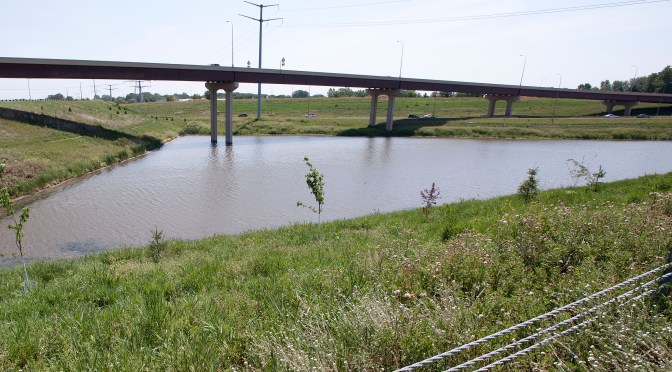
Managing Stormwater in a Changing Climate Will Require Updates to Minnesota’s Infrastructure
Reprinted from CTS News, March 21, 2024
—Sophie Koch, contributing writer
Changing precipitation patterns caused by the onset of climate change mean that Minnesota’s stormwater management systems—the ponds, pipes, and other structures meant to control runoff in the event of a heavy rainstorm—are going to need an upgrade.
Continue reading Managing Stormwater in a Changing Climate Will Require Updates to Minnesota’s InfrastructureStormwater Research Sees Practical Application in Twin Cities Metro, St. Cloud
Sophie Koch, CTS News, February 22, 2024
A long-running series of U of M research projects aimed at improving stormwater quality are beginning to see practical application by stormwater specialists from the Twin Cities metro area and beyond.
Continue reading Stormwater Research Sees Practical Application in Twin Cities Metro, St. Cloud
