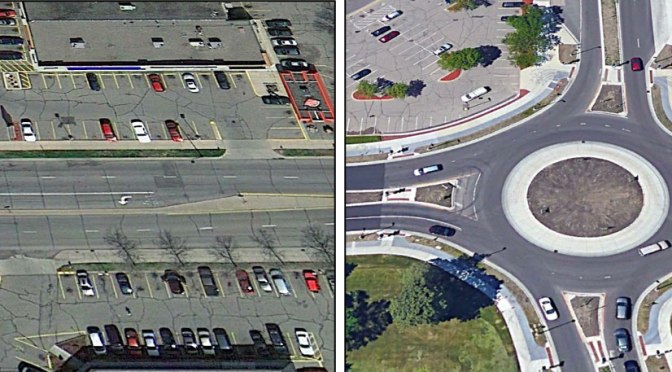
Complete streets is an approach to road planning and design that considers and balances the needs of all transportation users.
Richfield, Minnesota, located south of Minneapolis, began a Complete Streets redesign in 2013. So how did it turn out? A retrospective study has found that while construction impacts remain on the minds of business owners and residents, Richfield’s program has improved community life and traffic times citywide. Safety and multimodal use are expected to improve.
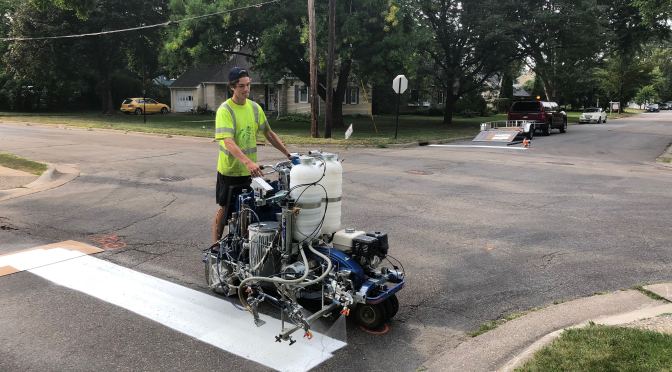
How well do the stop lines at stop-controlled intersections actually work as a safety feature? Through an extensive safety study and a before-after field observation, a recent Minnesota Local Road Research Board study showed that the assumed safety effects of stop lines as a means of influencing driver behavior are not well supported by the evidence.
The availability of hybrid electric utility vehicles expands the field of choices for a fleet manager looking to replace or expand fleets. In order to justify new vehicle purchases, fleet managers of local agencies need to determine how choices impact budgets and operations.
Flashing yellow arrow indicators have been deployed at many signalized intersections in recent years to control left-turn movements and improve traffic flow.
When illuminated, the flashing yellow arrow allows waiting motorists to make a left-hand turn after yielding to oncoming traffic.
The Federal Highway Administration considers flashing yellow arrows to be a significant safety improvement over traditional yield-on-green indicators, which are believed to be less intuitive. However, motorist complaints and some high-profile crashes indicate that there is still some level of driver confusion.
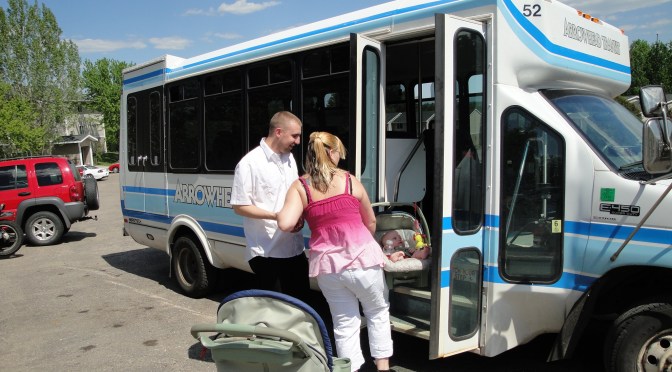
The benefits of Minnesota’s rural and small urban transit systems exceed the costs of services, according to a study sponsored by the Minnesota Department of Transportation (MnDOT). For every dollar spent to provide transit services in Greater Minnesota, benefits worth $2.51 are shared throughout the communities, according to the “Measuring the Economic Benefits of Rural and Small Urban Transit Services in Greater Minnesota” report.
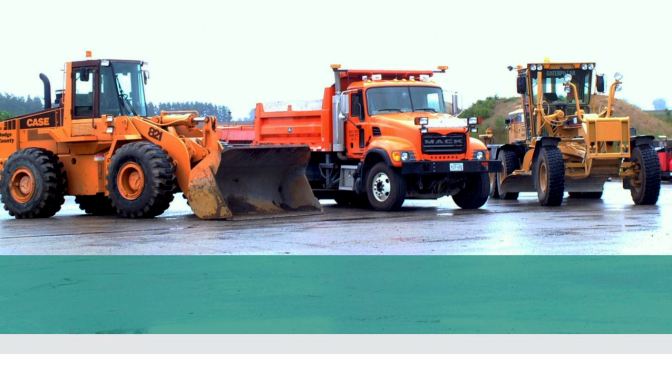
Managing a fleet of trucks, heavy equipment, and other vehicles challenges road agencies large and small. While large agencies like MnDOT use software and specialized administrators to manage fleet management systems electronically, city and county agencies often do not. For some small agencies, fleet management may fall to a shop mechanic or two.
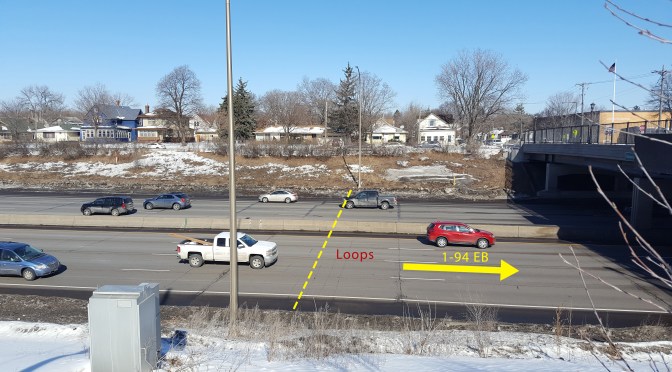
Researchers evaluated the use of existing inductive loop installations in Minnesota for vehicle classification. Results showed that inductive loops may be effective at identifying and classifying individual vehicles as they pass, but the system will require further refining for Minnesota use.
In a newly completed study, researchers found that stabilized full-depth reclamation has produced stronger roads for commercial loads in Minnesota, and the method shows promise for uses in rural agricultural areas. How much greater the strength gained with each stabilizing agent is better understood, though not conclusively.
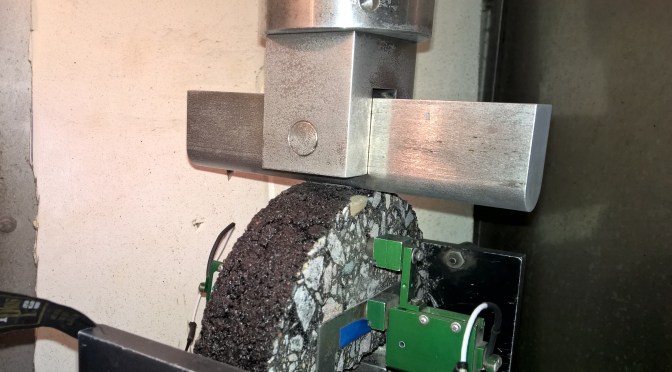
The Minnesota Department of Transportation is working with other state agencies in a pooled fund study to improve methods for testing crack resistance of asphalt mixtures. To expand options further, MnDOT asked researchers to evaluate alternative tests with standard lab equipment. The new tests produced repeatable results. Methods include the semicircular bend (SCB) test in a nontypical configuration, a dynamic modulus test of smaller asphalt mixture samples, a bending beam rheometer (BBR) test of mixtures, and a BBR of asphalt material for binder selection.