

Across the transportation industry, public and private employers are experiencing workforce shortages and an uncertain future. As older employees retire and younger workers fill their roles, organizations must naturally adjust to accommodate their changing workforce. In the transportation industry, shifting demographics have also brought new attitudes regarding technical jobs. The result is that fewer engineers and other highly skilled professionals are entering the field, and keeping those who do is becoming increasingly difficult. To address this changing landscape, transportation agencies of all sizes must be prepared to meet the challenges ahead or risk falling behind.
Continue reading Strategies for Recruiting and Retaining Minnesota’s Transportation WorkforceAll posts by mndotresearch
Evaluating the Impact of J-Band on Pavement Service Life and Crack Resistance
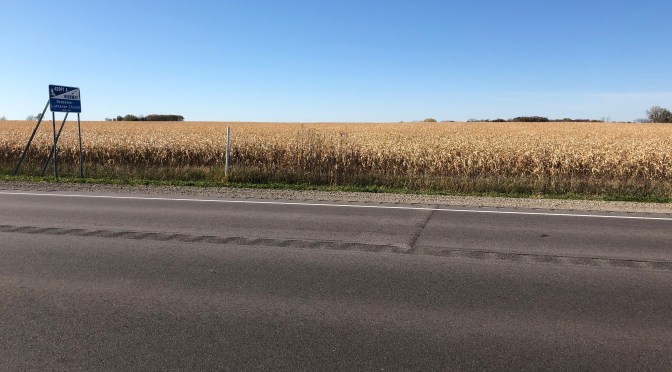
Potholes and other pavement failures in asphalt typically occur at the seams between lanes, where the mixture loses density during compaction because the edges are not confined like they would be with cement concrete forms. Researchers found that spraying J-Band, a void-reducing asphalt membrane (VRAM), in a band along longitudinal joints before asphalt layers are applied increased bond strength, lowered permeability and air void levels, and improved crack resistance.
Continue reading Evaluating the Impact of J-Band on Pavement Service Life and Crack Resistance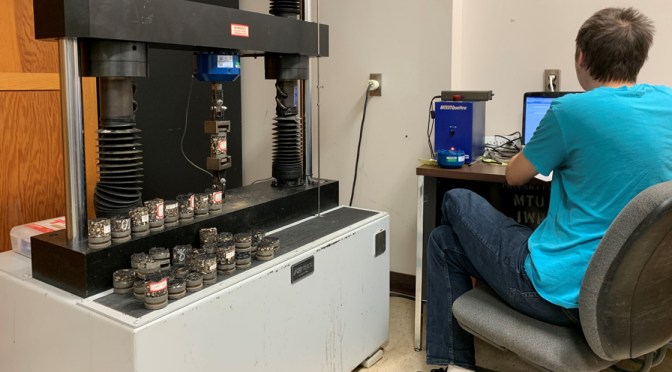
Investigating Asphalt Pavement Stripping Under Seal Coats
A recent Local Road Research Board (LRRB) study confirmed that increased freeze-thaw activity during Minnesota winters leads to delamination of seal coats from underlying pavements. Researchers identified optimal seal coat mix combinations and site conditions that may ensure effective seal coating of asphalt pavements in cities and counties around Minnesota.
Continue reading Investigating Asphalt Pavement Stripping Under Seal Coats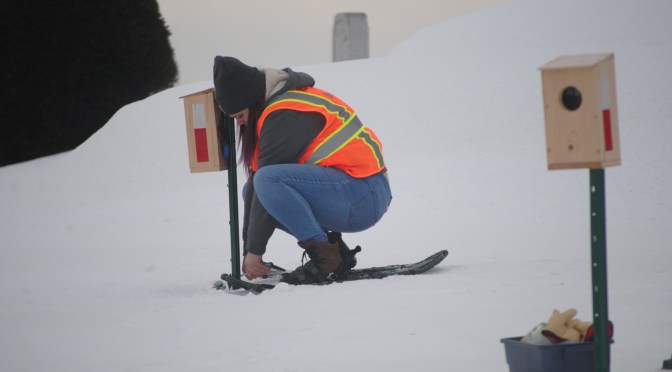
Evaluating “Hot Shots”: Winter Roads Treatment of Hardest Icy Spots
A new six-part video series, “Hot Shots for Cold Climates” explores treating Minnesota’s iciest roadways, with safety and environmental impact in mind.
Continue reading Evaluating “Hot Shots”: Winter Roads Treatment of Hardest Icy Spots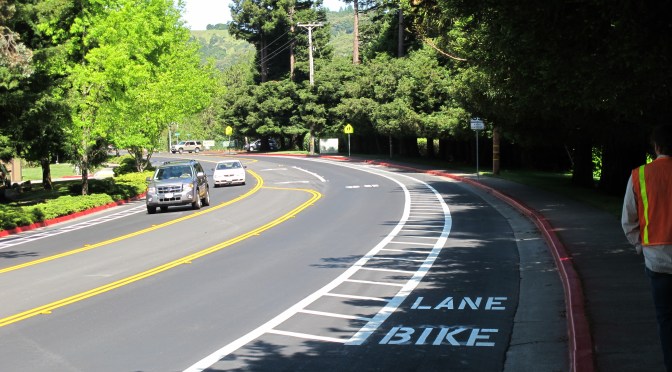
Local Guidance for Bicycle Facility Design
A quick reference guide is now available to help local agency planners and designers select the best bicycling facilities for their system. This guide walks local agencies through the selection and design process, and directs users to specific places within design manuals for details on facility questions.
Continue reading Local Guidance for Bicycle Facility Design
Assessing Bridge Barriers for Today’s Vehicle Needs
In a recent study of inspection reports, design documents and other data to evaluate the safety performance of bridge barriers, investigators found that the most commonly used barrier designs meet newer safety requirements and keep Minnesota drivers safe.
Continue reading Assessing Bridge Barriers for Today’s Vehicle Needs
Smartphone App Gives Crossing Guidance to the Visually Impaired
In a recent research project, MnDOT sought to validate a smartphone app designed to guide pedestrians who are blind or visually impaired through signalized and unsignalized intersections. The project succeeded in showing the app’s effectiveness in tests at six intersections in Stillwater, Minnesota.
Continue reading Smartphone App Gives Crossing Guidance to the Visually Impaired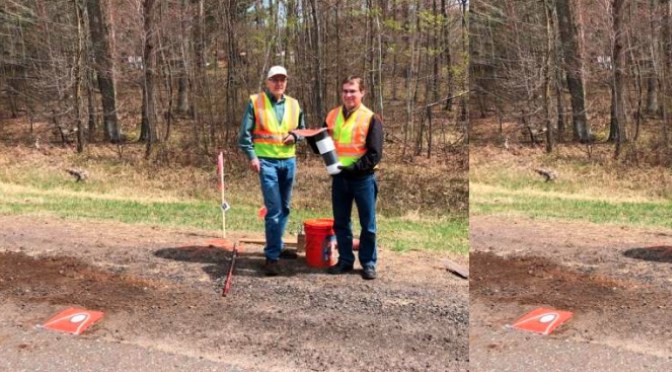
Low-Volume Road Runoff Analyses Suggest Optimal Treatments
Assisted by many county agency staff, researchers collected and analyzed runoff from low-volume rural roads over two years to determine how their contaminants compared to those of high-volume roadways. Results documented that runoff from low-volume roads has a lower contaminant concentration and that ditches and swales can be used to effectively treat rural road runoff.
Continue reading Low-Volume Road Runoff Analyses Suggest Optimal Treatments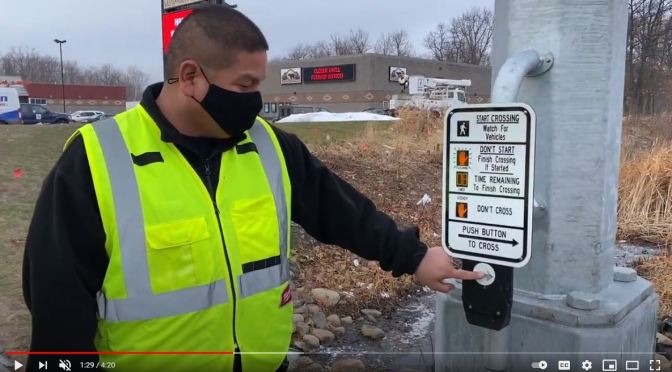
Understanding Rural Pedestrian Travel Behavior and Safety Issues
In collaboration with the Advocacy Council for Tribal Transportation and other tribal members, University of Minnesota researchers monitored 10 roadway sites specified as safety risks for pedestrians on four rural Minnesota reservations. Analysis of videos and group brainstorming produced a shortlist of potential countermeasures that could be incorporated into future highway projects.
Continue reading Understanding Rural Pedestrian Travel Behavior and Safety Issues
Monitoring Performance of an Iron-Enhanced Stormwater Filtration System
A recent study determined the effectiveness of a two-cell iron-enhanced stormwater filtration basin to remove phosphorus from highway stormwater runoff collected from 2012 to 2018. Researchers recommended design changes that would allow for more accurate monitoring of these filter basins.
Continue reading Monitoring Performance of an Iron-Enhanced Stormwater Filtration System
