While electric cars and buses are becoming more common, medium and heavy duty electric trucks are still in their infancy, and the nationwide infrastructure needs to support them still has to be determined.
In a new study, MnDOT will identify the electric charging infrastructure needed along Minnesota highway corridors to support clean freight transportation.
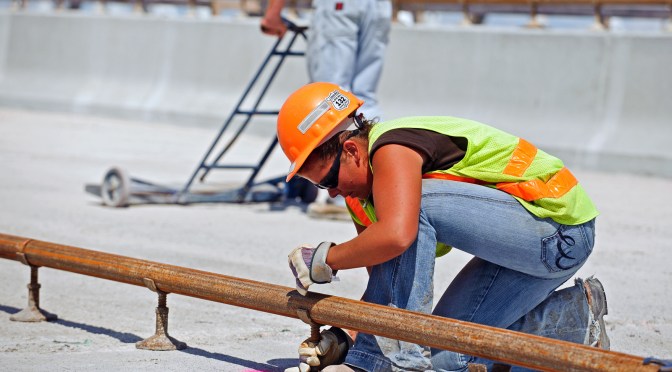
MnDOT’s Disadvantaged Business Enterprise (DBE) Program was established by the federal government to ensure women-owned and minority-owned businesses have the opportunity to participate in MnDOT contracts.
Several contracting barriers exist for DBEs, which may have been exacerbated by COVID-19, such as access to capital, a shortage of PPE materials and staffing shortfalls due to workplace risks and caregiving responsibilities.
Pandemics, social unrest and natural disasters can disrupt state efforts to reach the public about projects, priorities, policy issues and services. MnDOT and other agencies have turned to Skype, Zoom, Webex, Facebook Live and other tools to present proposals and receive public input with some success. Participation in public meetings that in the past would have drawn fewer than 10 attendees may now draw 80 online.
In response to the COVID-19 pandemic, many employees in both the public and private sectors have begun telecommuting. The resulting reduction in commuting hours and miles traveled on state highways has been staggering.
Although Minnesotans drove significantly less in 2020 due to the COVID-19 pandemic, there was a substantial increase in fatal motor vehicle crashes. MnDOT Traffic Safety Engineer Derek Leuer and his colleagues want to know why, particularly in rural areas where fatalities and injury rates were higher.
As Minnesota worked to slow the transmission of COVID-19 in 2020, travel on MnDOT roadways dropped sharply and carried with it a corresponding drop in congestion.
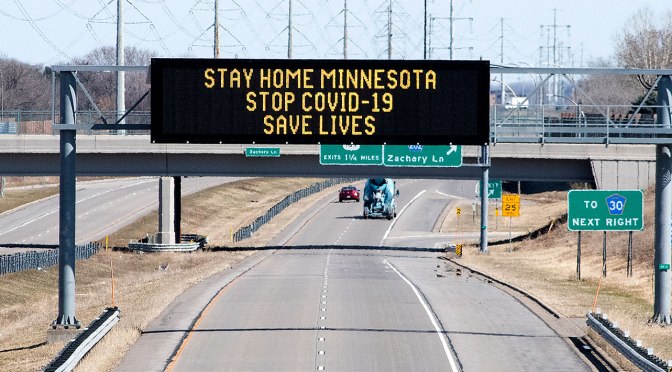
MnDOT maintains nearly 400 dynamic message signs (DMS) along Minnesota highways that display real-time information to warn motorists of roadway incidents, construction or congestion ahead that could pose a hazard or cause delay. DMS use to convey weather alerts has been limited to blizzards and other very isolated winter conditions. MnDOT has been concerned about the timeliness of weather messages and the chance that such messages could be overused, possibly leading motorists to take them less seriously.
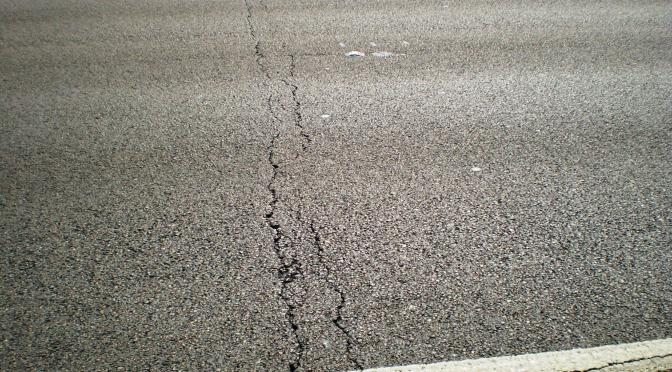
A new method of testing low-temperature cracking in asphalt pavement shows promise for design, quality control and quality assurance. Test results produced by the new method, which is faster and less expensive than the previous method, match well with results from the older method.
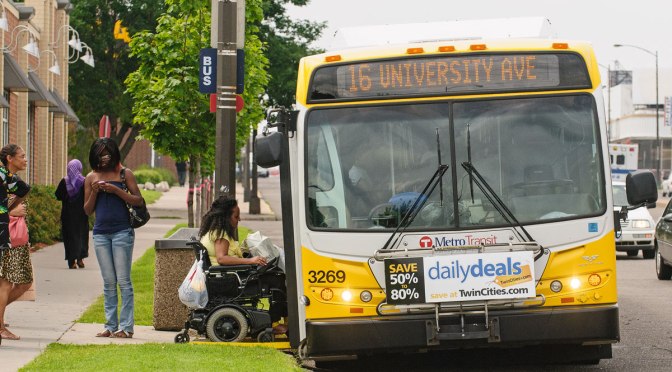
Light rail transit and bus rapid transit in the Twin Cities provide urban residents with fast, safe and reliable transportation. These transitways have the potential to attract more riders and further reduce automobile traffic, relieving the growth of congestion on nearby roads as people decide to be transitway passengers rather than motorists.