

Roundabouts are effective at reducing driver speeds and lowering serious crash rates compared to other intersection types. Speeds vary in roundabouts, however, depending on geometric factors such as the number of lanes, entry and exit widths, and diameter. The use of supplementary control devices such as sign types, sign placement and pavement markings may also impact entry and exit speeds.
Continue reading New Project: Speed Impacts from Roundabouts and Other Traffic Control DevicesTag Archives: LRRB

New Project: Effect of Centerlines on Prevailing Traffic Speeds of Low-Speed, Two-Lane, Two-Way Roads in Urban Contexts
Vehicle speed has a substantial influence on both the likelihood and severity of crashes involving nonmotorized road users. Reducing speeds on urban streets, in particular, enhances safety for the greatest number of vulnerable road users.
Continue reading New Project: Effect of Centerlines on Prevailing Traffic Speeds of Low-Speed, Two-Lane, Two-Way Roads in Urban Contexts
New Project: Analyzing Truck Size and Weight Impacts on Vehicle Miles Traveled
Trucks account for over one-third of transportation sector greenhouse gas (GHG) emissions. MnDOT strives to identify guidance for the freight community to reduce its vehicle miles traveled (VMT). Allowing larger or heavier trucks could allow more freight to be moved per vehicle, thus reducing VMT.
Continue reading New Project: Analyzing Truck Size and Weight Impacts on Vehicle Miles Traveled
Creating a Leafy Boulevard: Best Practices for Tree Selection
Boulevards play an important role along a roadway. This open space located just behind the curb provides snow storage for roads and sidewalks, a place for rain and runoff to soak into the ground, and attractive green space in our city neighborhoods. In addition to their aesthetic appeal, trees planted in the boulevard along a roadway offer valuable environmental benefits. They save energy and lower temperatures, reduce greenhouse gases, and reduce stormwater runoff.
Continue reading Creating a Leafy Boulevard: Best Practices for Tree Selection
Guidelines for Implementing Mini-Roundabouts
Increasingly, roundabouts are the solution of choice for many intersections because they improve safety and traffic flow and reduce pollution due to less vehicle delays. Traditional roundabout design typically requires a larger footprint than a conventional four-way intersection.
Continue reading Guidelines for Implementing Mini-Roundabouts
Webinar: Enter the Minnesota Build a Better Mousetrap Competition
Wednesday, January 8, 2025, 10:00–10:30 am
Join the Minnesota Build a Better Mousetrap Competition for the chance to win prizes and share your ideas with others! Show off your creativity and help other agencies solve problems by submitting your local innovations! This webinar covers how to enter, how you and other local agencies can benefit, and gives you the chance to meet previous Minnesota winners. The webinar is free, but registration is required.
Continue reading Webinar: Enter the Minnesota Build a Better Mousetrap Competition
New Project: Rural Intersection Enhancement and Driver Behavior Study
The risk of severe crashes increases when minor roads intersect with higher-speed roads in rural areas. MnDOT and county traffic engineers strive to find creative solutions that will prompt drivers to make safe decisions when navigating through intersections.
Continue reading New Project: Rural Intersection Enhancement and Driver Behavior Study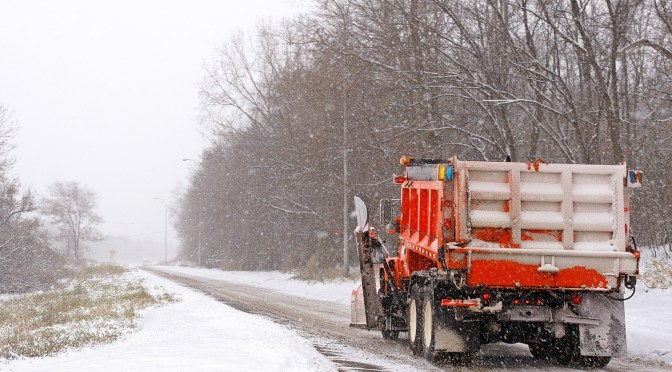
New Project: Alternative Deicer Performance Characterization: Know Before the Snow
MnDOT uses alternative deicer brines containing potassium chloride, magnesium chloride and calcium chloride for winter road maintenance. The alternatives are more effective in melting roadway ice than sodium chloride alone when temperatures are below 15 degrees Fahrenheit.
Continue reading New Project: Alternative Deicer Performance Characterization: Know Before the Snow
Revised Stormwater Maintenance Guide Updates Common Practices and Offers Innovative Options
Practices for managing stormwater runoff have evolved over the years. Changes to regulations, land use and weather patterns impact how transportation agencies integrate stormwater control options into road and waterway networks. Local agencies have used a stormwater maintenance guide produced by the Local Road Research Board (LRRB) in 2009. Over a decade of new research and the development of new tools for stormwater control necessitated revisions to the guidance document. The updated Stormwater BMP Inspection and Maintenance Resource Guide provides recommendations for enhancing traditional stormwater practices and presents new, innovative strategies and guidance on stormwater best management practices (BMPs).
Continue reading Revised Stormwater Maintenance Guide Updates Common Practices and Offers Innovative Options
New Project: Assessing Effectiveness of Pond Sediment Removal for Phosphorus Management in Stormwater Ponds
MnDOT manages rainwater runoff to keep pollutants like phosphorus from Minnesota’s lakes and streams. Stormwater retention ponds, an established management strategy, allow phosphorus to settle to the pond’s bottom but do require periodic cleanout.
Continue reading New Project: Assessing Effectiveness of Pond Sediment Removal for Phosphorus Management in Stormwater Ponds Crossroads