

Gravel roads often experience significant deterioration that requires costly maintenance. To mitigate this deterioration, transportation agencies can apply chemical stabilizers to improve aggregate cohesion. This project examined the mechanical, environmental and economic performance of five gravel stabilizers and three application methods to determine the best options for reducing deterioration.
Continue reading Evaluating the Use of Stabilizers on Gravel RoadsTag Archives: LRRB

Mitigating Surface Tenting to Improve Road Quality
Transverse cracking and tenting are significant problems for asphalt pavements, especially in colder climates where the asphalt layer contracts during winter conditions. While the impacts of frost on roads are generally known, more data is needed about treatments to mitigate tenting and the influence of base layers on tenting behavior. This project examined the effectiveness of pavement treatment options and identified primary causes of tenting to help state and local engineers limit future tenting.
Continue reading Mitigating Surface Tenting to Improve Road Quality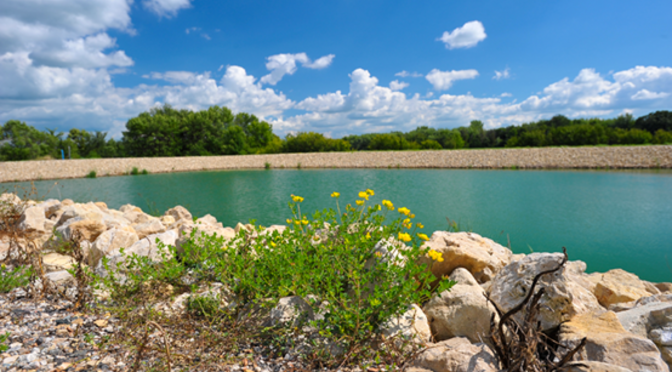
Reducing Phosphorus Pollution from Ponds
Ponds and historic wetlands are essential for preventing excessive phosphorus from reaching downstream waters. These systems remove solids, nutrients, metals and hydrocarbons from stormwater runoff as particles settle to the bottom. However, low oxygen levels in the water can cause phosphorous to be released from bottom sediments. This project examined the effectiveness of strategies to limit that release and reduce negative downstream impacts.
Continue reading Reducing Phosphorus Pollution from Ponds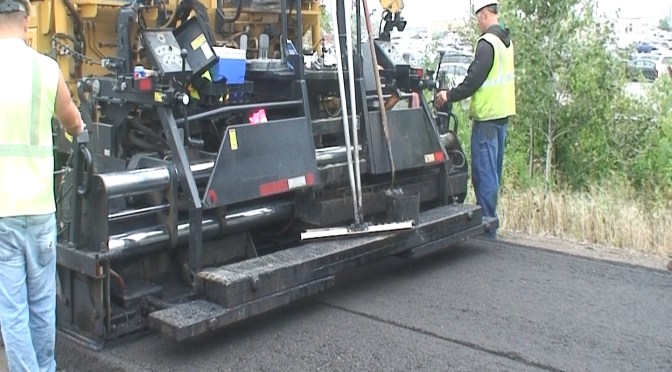
Evaluating Recycled Asphalt Pavement Mixtures
The use of recycled asphalt pavement (RAP) materials in asphalt pavement construction provides numerous benefits, including reduced material costs, fewer environmental impacts and decreased demand for virgin aggregates and asphalt binders. While previous research has examined the performance of RAP materials, less attention has been given to their compaction properties. This project examined RAP mixtures with varying RAP contents to better understand their implications for pavement construction and environmental sustainability.
What Was the Need?
Road projects commonly use RAP in asphalt mixtures to reduce material costs, conserve virgin materials and improve pavement construction sustainability. However, concerns remain that increased RAP content could reduce compactability and crack resistance, negatively impacting pavement performance.
A better understanding of RAP material characteristics and mixture behavior is therefore critical to developing mixture designs that can reliably provide pavement durability and field performance. This project investigated RAP mixture design, compaction behavior at varying RAP contents, the impact of graphite nanoplatelet (GNP) modification and the low-temperature performance of different RAP mixtures.
What Did We Do?
This study analyzed RAP samples from three projects that used the same pavement mixture. Because RAP materials are not uniform, investigators evaluated the samples using processed black-and-white curves, chunk index, gradation, moisture content and binder content. For example, the chunk index measure material homogeneity, with higher homogeneity being desirable for mixing with virgin materials.
The first phase of testing analyzed RAP mixtures containing 25%, 40% and 50% RAP using a gyratory compactor. A mix design spreadsheet documented the proportions of virgin aggregates and RAP needed to achieve target gradations.
Next, investigators evaluated the compaction performance of GNP-modified RAP mixtures by comparing a 50% RAP mixture with and without 6% GNP at compacting temperatures of 135°C, 115°C and 95°C. Previous research indicated that adding GNPs to RAP mixtures can significantly improve low-temperature flexural strength and allow contractors to compact asphalt mixtures to higher densities, potentially improving pavement durability and performance.
Lastly, the project examined the low-temperature strength, fracture and creep performance of RAP mixtures by performing semi-circular bend fracture and bending beam rheometer mixture tests on blends containing 0%, 25%, 40% and 50% RAP.
What Did We Learn?
Gyratory compaction testing showed that mixtures with higher RAP contents required fewer gyrations to reach the target air void level. Specifically, the 50% RAP mixture achieved the targeted 5% air voids with fewer gyrations than the 40% and 25% mixtures. Investigators concluded that the improved compaction was likely due to a greater contribution from mobilized binder under the heating and mixing conditions. As RAP content increased, the amount of effective binder also increased, improving lubrication between aggregate particles and reducing resistance to densification.
Adding 6% GNP moderately improved compaction and reduced gyration demand, although the benefits diminished at lower compaction temperatures. Lowering the compaction temperature from 135°C to 115°C had little impact, but reducing the temperature further to 95°C significantly increased gyration requirements. These findings suggest that adding GNP could improve compactability and may allow for some reduction in heating and compaction temperatures.
Low-temperature semi-circular bend and bending beam rheometer testing showed that RAP mixtures had fracture energy comparable to the virgin mixture and generally higher fracture toughness and flexural strength. Within the range of 25% to 50% RAP, increased RAP content did not result in significant differences in low-temperature creep or strength behavior.
“These results provide promising evidence for potentially increasing the use of RAP materials, but more work is needed to implement it for use in the field,” said Eddie Johnson, Researcher, MnDOT Office of Materials and Road Research.
Overall, the findings demonstrated that RAP mixtures prepared under appropriate laboratory conditions can achieve satisfactory compactability and low-temperature performance. However, replicating these preparation conditions in the field may be challenging and costly.
What’s Next?
While project findings support the continued use of RAP mixtures, additional research could further improve understanding of RAP performance, including:
- Quantifying binder activation based on RAP source, heating temperature, mixing procedure and mixing duration.
- Evaluating the effect of the RAP heating process on binder mobilization and compaction performance.
- Conducting field validation of findings from this project, particularly the improved compactability with higher RAP contents and the benefit of adding GNP.
More Information
Evaluating the Use of a Common Alternative Deicer
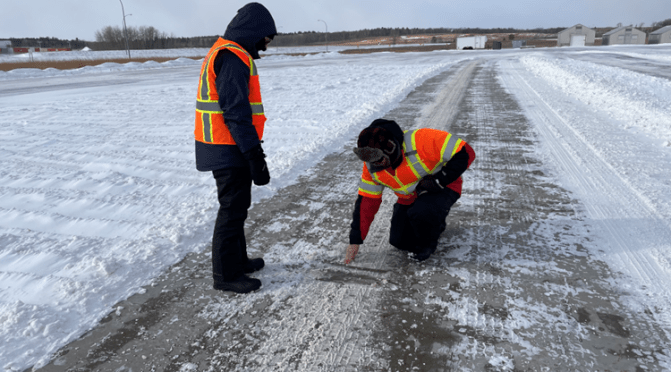
When temperatures fall below 15 degrees Fahrenheit (F), salt loses its effectiveness at melting snow on roads. To accommodate lower temperatures, transportation agencies often combine an alternative deicer with salt brine to treat roads and return them to an appropriate level of service. This project investigated the most common alternative deicer used in Minnesota to provide guidance to state and county winter maintenance managers about its application at different concentrations and temperatures.
Continue reading Evaluating the Use of a Common Alternative Deicer
Protecting Wildlife Along Minnesota Roads
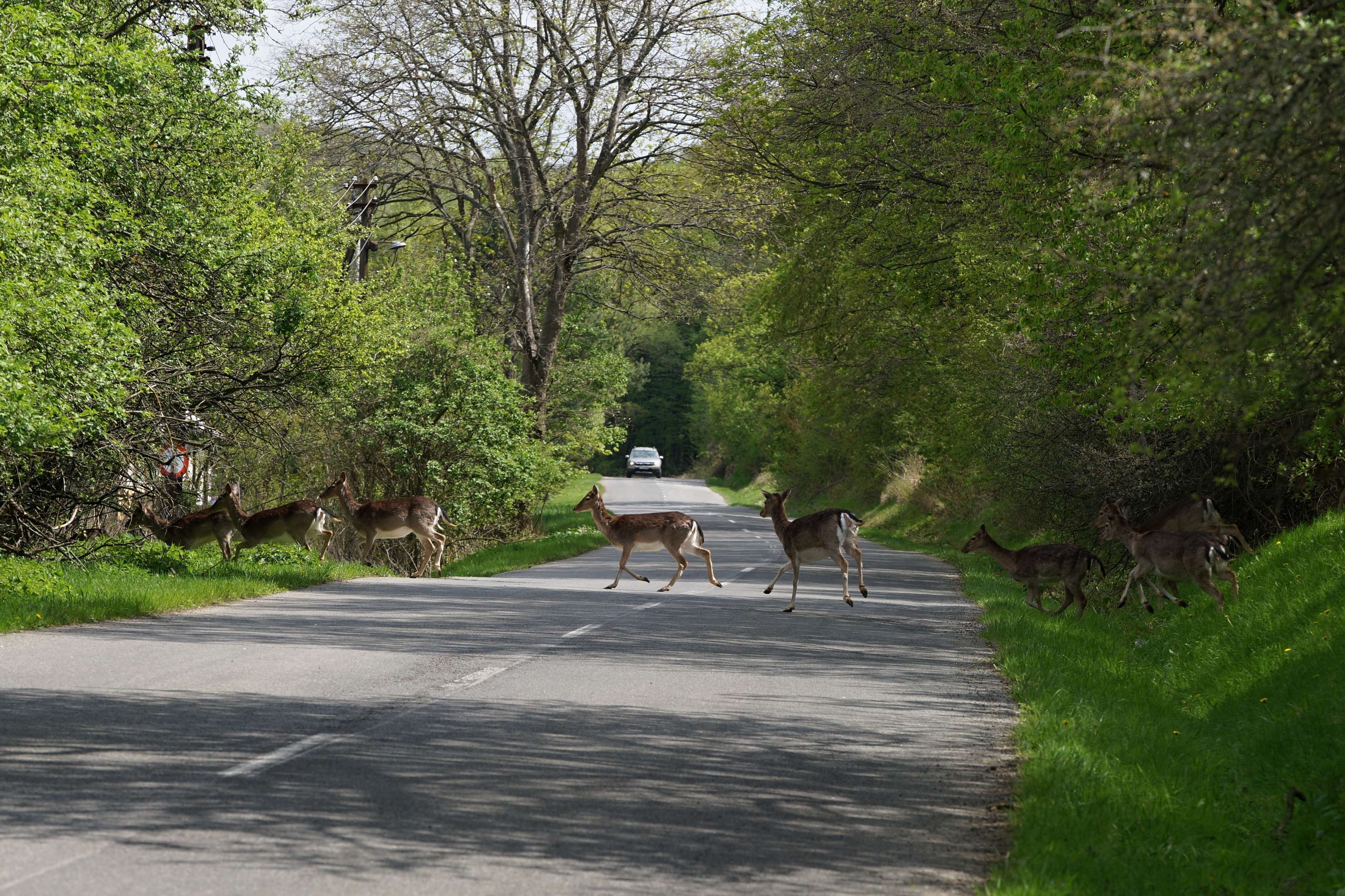
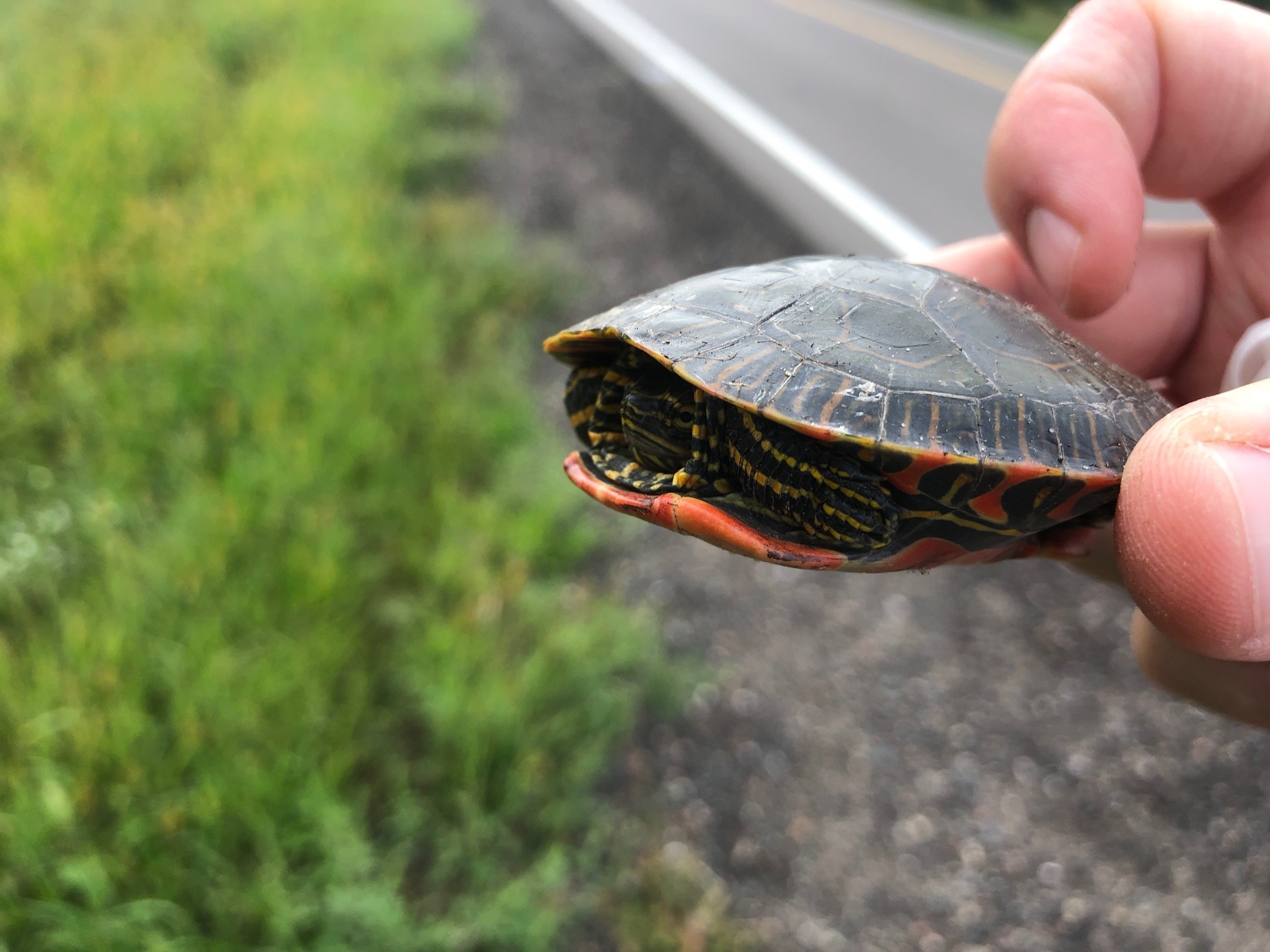
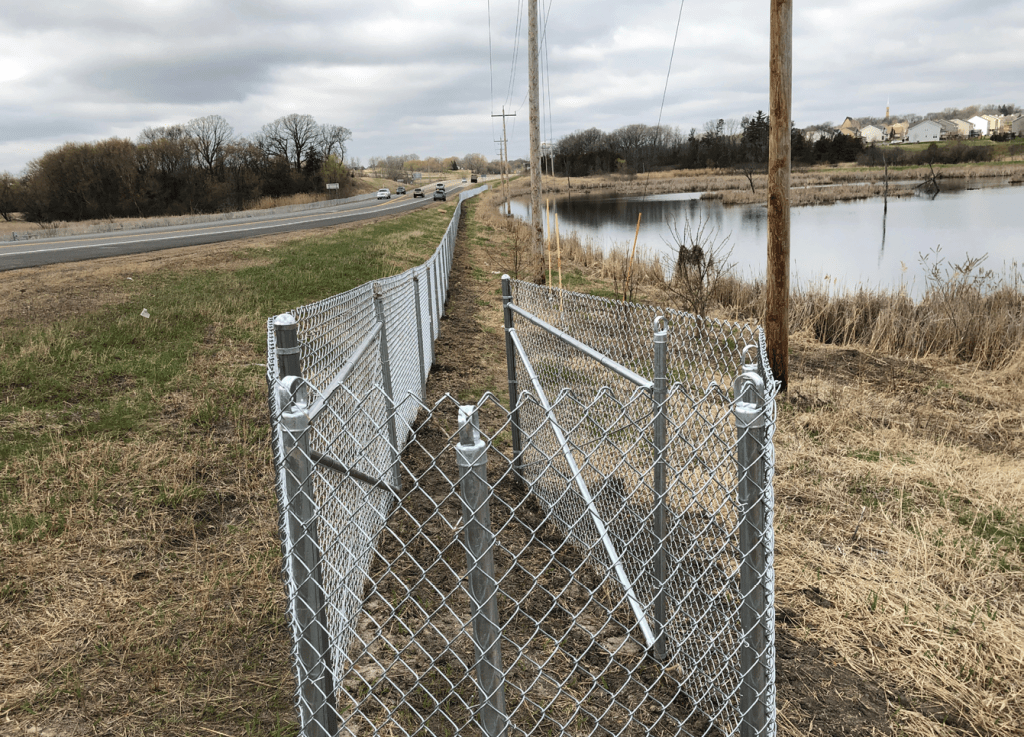
This week is Wildlife Casualty Count Week of Action in Minnesota. It highlights the impacts transportation systems have on wildlife and raises awareness of wildlife deaths resulting from vehicle collisions. Information about this effort can be found at: Wildlife Casualty Count Week
At MnDOT, we are committed to protecting wildlife through established practices and thoughtful planning. MnDOT works to minimize and mitigate impacts to protected fish, wildlife, and plant species in the design and construction of transportation projects. Read more about MnDOT’s commitment to protected species here: Wildlife – Environmental Stewardship
MnDOT’s Office of Research & Innovation supports research projects that advance wildlife protection and environmental conservation. These projects help inform how wildlife considerations are incorporated into transportation planning and construction. Explore projects guiding this work below:

Follow MnDOT’s Office of Research & Innovation to receive the latest updates in transportation research.
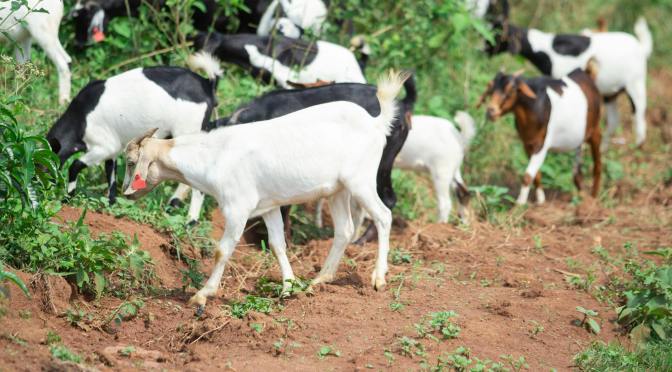
Goats can play a role in multi-pronged restoration of buckthorn-invaded woodlands
Reprinted from MnLTAP News, May 4, 2026
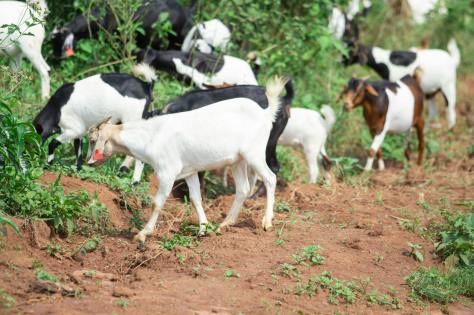
Goats are increasingly being used in efforts to manage invasive common buckthorn in Midwestern woodlands. New research demonstrates when and how they are best used.
Continue reading Goats can play a role in multi-pronged restoration of buckthorn-invaded woodlands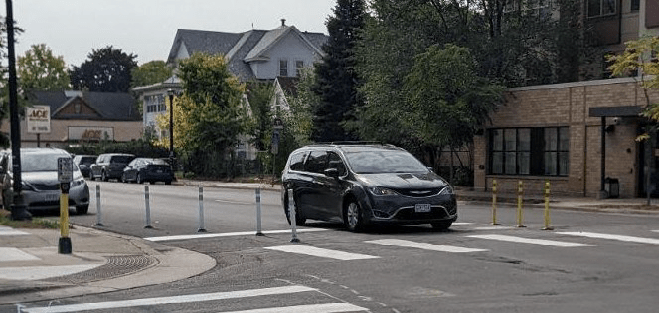
CTS Webinar: How Infrastructure Shapes Driver Behavior and Pedestrian Safety
Tuesday, May 19, 2026, 12:00–1:30 pm Virtual
About the Event
Improving pedestrian safety requires a deeper understanding of how people interact with roadway design and infrastructure. This webinar will highlight two recent research efforts examining how transportation infrastructure influences driver behavior and pedestrian safety outcomes.
Curtis Craig, a research associate in the Human Factors Safety Laboratory, will present findings from two complementary studies examining infrastructure at intersections. The first study explored how right turn lane configurations affect pedestrian safety using a combination of behavioral analysis and multiple research methods. The second project examined how drivers and pedestrians respond to different infrastructure treatments and how those designs influence behavior in real-world environments.
These study findings offer transportation agencies, planners, and engineers practical considerations as they work to create safer and more accessible pedestrian environments.
Registration and More
This webinar is free, but registration is required. Visit the event web page to register and for more information.
Related Reading
- Behavioral Investigation of Temporary and Permanent Pedestrian Infrastructure
- Evaluating the Safety Impacts of Select Pedestrian Infrastructure
- Multi-Method Investigation of Pedestrian Safety Impacts of Right Turn Lanes
- Pedestrian Safety Impacts of Dedicated Right-Turn Lane
- Crossroads: Pedestrian Safety Impacts of Dedicated Right-Turn Lanes
Active Research by Curtis Craig
Analysis and Risk Management of Motorcycle, Bicycle, and Pedestrian Crashes in Minnesota
Addressing disparities through more equitable transportation planning
Reprinted from CTS Catalyst April 16, 2026
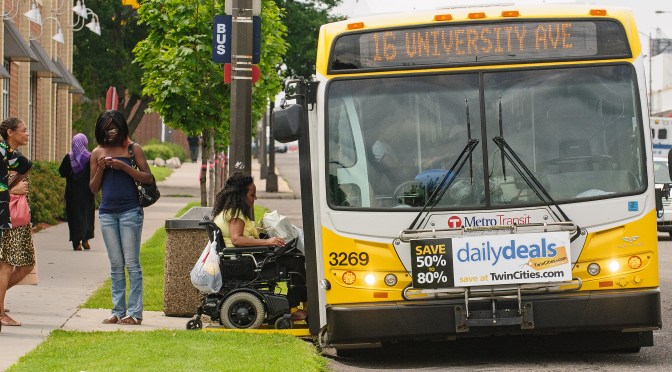
Transportation capital investment planning plays a vital role in shaping the future of infrastructure—but often leaves people with disabilities, youth, older adults, people of color, and disadvantaged communities underserved. A recent UMN research project aimed to gain a better understanding of how to include equity in planning and decision making.
To gain a better understanding of how to include equity in planning and decision making, a recent research project explored this complex topic through a literature review, statewide survey, and analysis of case studies. This research, sponsored by the Minnesota Department of Transportation (MnDOT) and the Minnesota Local Road Research Board, resulted in considerations and strategies, including a toolkit, to increase community engagement and guide future transportation development for Minnesota localities and Native nations.
Camila Fonseca-Sarmiento, director of fiscal research for the Institute for Urban & Regional Infrastructure Finance at the University of Minnesota’s Humphrey School of Public Affairs and a CTS scholar, led a team of researchers through a review of case studies for which equity was included in capital investment planning. As in other states and localities across the United States, the team found that the definition of equity and the goals of equity-related funding ranged widely across Minnesota’s counties, cities, and Native nations.
Incorporating equity factors in transportation investment planning in Minnesota has occurred through small, incremental changes. A few jurisdictions have already integrated equity into their planning efforts, while some others are in the process of doing so. Jurisdictions with a more comprehensive equity framework are those in which equity is part of a local initiative, compared to those who mentioned equity efforts as a response to federal funding requirements, such as Title VI of the Civil Rights Act of 1964 and the Americans with Disability Act.+6
Minnesota brings an additional set of equity considerations through the inclusion of the state’s 11 Native nations. These Ojibwe and Dakota communities and reservations share many of the same needs and challenges as other localities but also possess unique cultural considerations, including sovereignty, sacred sites, and environmental protection. For example, on a practical level equity for Native nations means fair employment—equitable job opportunities, wages, and hiring preferences for tribal members to ensure benefits stay within the tribal nations on or near reservations. On a cultural level it means dual language signage for English and Ojibwe or Dakota on roads and highways that traverse Native lands.
“Equity is not a one-size-fits-all approach,” Fonseca-Sarmiento says. Engaging community members early in the planning process helps planners understand transportation needs beyond roadway investments—such as a community’s historical experience, culturally specific needs, and current gaps. The research findings offer guidance on how to gather local input through surveys and in-person meetings guided by trained staff.
The transportation capital investment planning and decision-making process consists of several phases where equity could be integrated: identifying projects, prioritizing capital investment projects through multi-step processes, and selecting projects for funding through community advisory committees.
A toolkit developed by the researchers could help improve communication and engagement with underserved communities. Its two key tenets are that agencies need to proactively reach out to the community, and trust-building is essential for effective relationships.
In addition, Dillon Dombrovski, deputy public works director/city engineer with the City of Rochester and the project’s technical liaison, says the community engagement toolkit “provides effective guidance to combine community input with supporting data to invest in more equitable transportation projects.”
Fonseca-Sarmiento says it’s also critical to listen and then include diverse perspectives in the final transportation plan. “Engaging local stakeholders in the planning process but then leaving them out of the finished project decreases trust and limits future engagement,” she says. “Overall, having regular community engagement for identifying transportation capital investment projects can also help prevent perpetuating past inequities.”
—Amy Goetzman, contributing writer
Related reading
- Article: “Understanding past infrastructure harms to avoid repeating them”
- Advancing Equity in Capital Investment Decision-Making (Report #2026-02)
- Increasing Equity in Transportation Investments (Research Summary)
- Infographic: Advancing Equity in Capital Investment Decision-Making (Brochure/Handout)
Successfully Integrating Electric Vehicles into Fleets
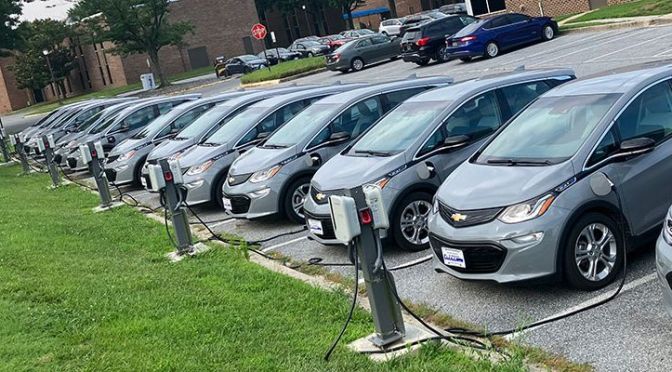
While electric vehicles (EVs) provide benefits over traditional gas-powered vehicles, they also come with challenges. Investigators surveyed and interviewed staff, analyzed costs and developed an optimization model to address these challenges. Project findings will help agencies across Minnesota achieve a successful and cost-effective transition to the increased use of EVs.
Continue reading Successfully Integrating Electric Vehicles into Fleets
