This article was originally published in Catalyst, February 2022.
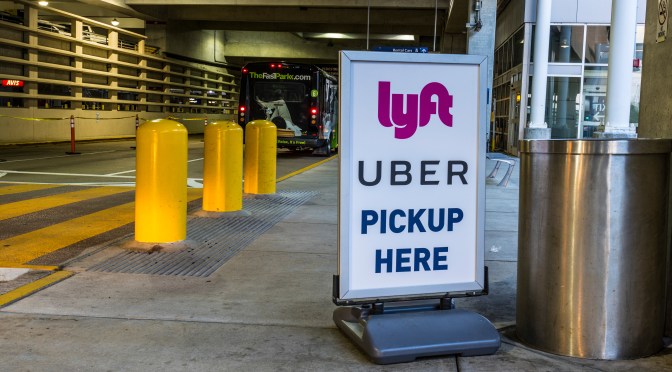
In recent work, researchers in the U’s Department of Industrial and Systems Engineering (ISyE) examined one potentially important application of autonomous vehicle (AV) technology: ride hailing.
In Minnesota, one challenge with installing safety countermeasures for people walking and ensuring year-round access to pedestrian infrastructure is winter maintenance.
New guidance and a process framework will help local agency engineers with varying levels of expertise and resources benefit from the experiences of their peers. Using these tools, engineers can take manageable, proactive steps to prioritize investments that maintain and preserve transportation networks.
In a recent study, researchers leveraged previous MnDOT research and existing traffic monitoring infrastructure to refine inductive loop signature technology that counts and classifies vehicles. Positive results have given MnDOT a feasible and cost-effective way to collect vehicle classification data throughout the state for planning and decision-making.
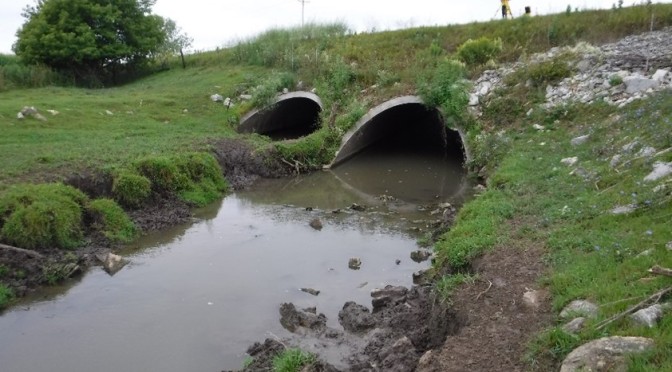
Culverts that influence the speed, depth or flow of a natural waterway can have a detrimental impact on fish populations. By assessing sites across the state, MnDOT sought to identify the effects the culverts have on aquatic wildlife currently and project what potential flooding and drought scenarios could mean in the future.
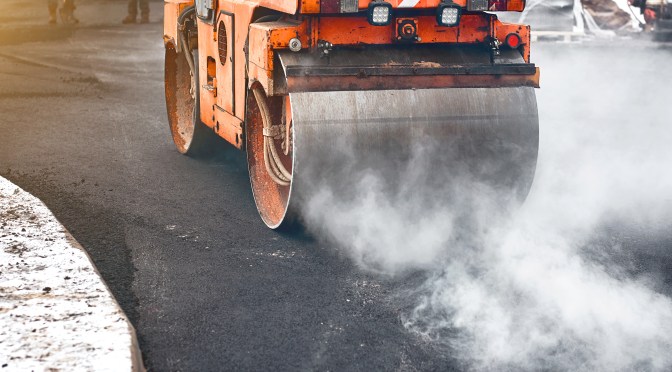
Compaction is the final and most critical step in asphalt pavement construction. National research conducted several years ago indicated that a slightly more compact pavement than typical could help roads last longer. To understand the relationship between pavement density and long-term performance, MnDOT has built a database with performance data from samples collected soon after they were constructed more than a decade ago. The agency hopes to eventually have enough data to determine the right amount of compaction.
From a competitive pool of over 75 proposals, MnDOT and the Minnesota Local Road Research Board have funded 25 new research projects and are seeking volunteers to serve as Technical Advisory Panel members and help guide the research.
This article was originally published in Catalyst, January 2022.
University researchers are investigating ways to extend the life of asphalt pavements and generate cost savings by adding innovative materials to asphalt mixes. In a recent study, they found that improving asphalt mixes with graphite nanoplatelets and taconite concentrates offers new possibilities for enhancing damage-detection techniques and restoring subsurface cracking using microwave energy.
This article was originally published in Catalyst, January 2022.
A U of M study of farm vehicle safety on rural roads identified factors—such as crop type and number of vehicles operated—that can help predict the likelihood of a farm’s vehicles being involved in a crash on a public road.
This article was originally published in Catalyst, January 2022.
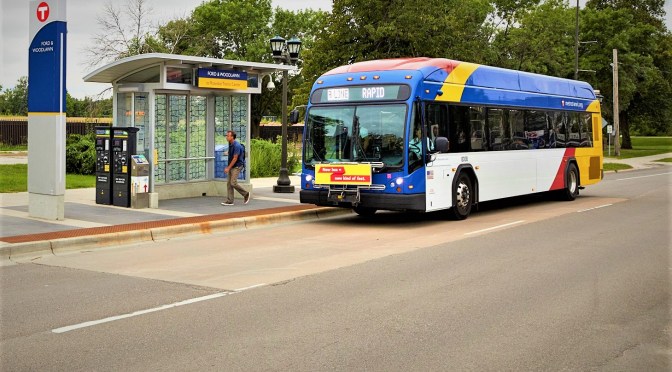
Arterial bus rapid transit (BRT) has gained momentum in the Twin Cities as a less-expensive alternative to light-rail transit. However, this expansion of BRT has also raised concerns that the new lines will spur an increase in housing values and neighborhood gentrification, potentially displacing low-income residents. A new study eases these concerns: It found that the A Line BRT route encouraged ridership but had no effect on housing values.





 Crossroads