

With the number of automated vehicles increasing on our roadways it is important to understand their potential impacts and how other road users will interact with them. In the future, there will be a more pronounced shared levels-of-automation transportation network, with fully manual, partially automated, and fully automated vehicles sharing the same Minnesota roads. While planners and engineers have a reasonable idea of how humans drive around other humans, what is not as well-known is human driving behavior around automated vehicles.
Continue reading New Project: Assessment of Pedestrian Safety and Driver Behavior Near Automated Vehicles
Webinar Recording: The Health and Transportation Nexus
Transportation is a crucial contributor to health: it not only directly shapes the social and physical environments in myriad ways, but it also determines the types of places where people can live, learn, work, and play in their everyday life.
Continue reading Webinar Recording: The Health and Transportation Nexus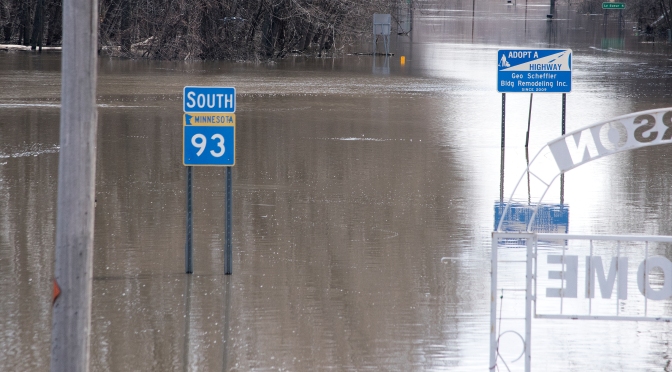
Webinar Recording: Extreme Flood Vulnerability Assessment Tool
MnDOT’s existing and future assets will become increasingly stressed by extreme weather patterns due to climate change. Minnesota’s assets are particularly vulnerable to projected precipitation increases and larger and more frequent extreme storm events.
Continue reading Webinar Recording: Extreme Flood Vulnerability Assessment Tool
Making Freeway Travel Times in the Twin Cities Area More Reliable
Providing consistent freeway travel times for Twin Cities area drivers requires careful traffic management and well-planned freeway projects. To effectively respond to incidents and identify the most needed renovations, MnDOT traffic managers need to know precisely where, when and why congestion is happening.
Continue reading Making Freeway Travel Times in the Twin Cities Area More Reliable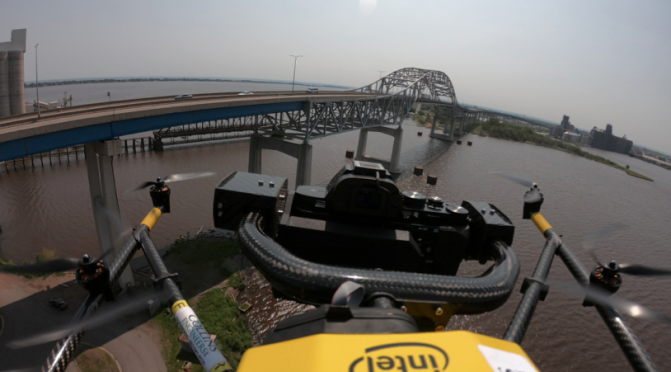
Drone Technology Enhances Bridge Inspections
Using drones to inspect bridges allows MnDOT to collect very high quality data while exposing fewer inspectors to far less risk and reducing inconvenience to the public. A new fleet of UAS will be used to conduct inspections statewide.
Continue reading Drone Technology Enhances Bridge Inspections
Diversity and Equity in the Freight Industry: A Moral—and Smart—Business Move
Diversity, equity, and inclusion (DEI) are becoming increasingly important factors in the modern workforce. Integrating DEI is not only a strong moral move that can set an organization apart from its peers but also a way to promote innovation, attract talent, and retain valuable employees in a tight labor market.
Continue reading Diversity and Equity in the Freight Industry: A Moral—and Smart—Business Move
Museum Exhibit Reveals I-35W’s Impact on a South Minneapolis Community
This article was originally published in Catalyst, February 2022.
Many Minnesotans have driven on I-35W through Minneapolis without giving any thought to how the freeway was built—or the impact it’s had on the community. Thanks to the work of several U of M researchers and Twin Cities residents, we now have the opportunity to learn just that.
Continue reading Museum Exhibit Reveals I-35W’s Impact on a South Minneapolis Community
Research Pays Off Webinar Series: Intelligent Compaction Technology as a Service and for Compliance
The National Road Research Alliance (NRRA) is hosting “Intelligent Compaction Technology as a Service and for Compliance – How ICT Research has led to the Removal of Technicians from Construction Sites in the UK” on March 15 at 10 a.m. CST, presented by Ruairi Charlesworth of Highway Data Systems.
Continue reading Research Pays Off Webinar Series: Intelligent Compaction Technology as a Service and for Compliance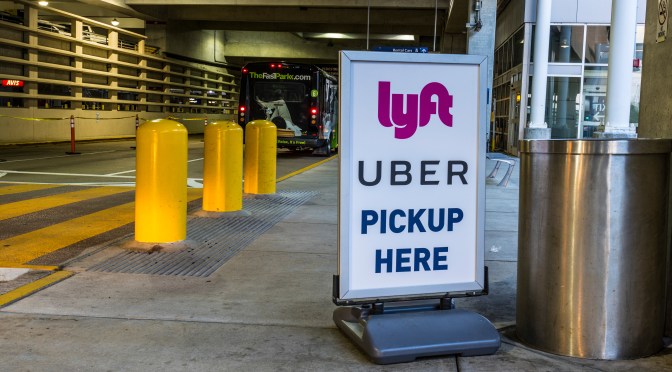
Adding Autonomous Vehicles to Ride-Hailing Fleets Could Benefit Platforms and Drivers
This article was originally published in Catalyst, February 2022.
In recent work, researchers in the U’s Department of Industrial and Systems Engineering (ISyE) examined one potentially important application of autonomous vehicle (AV) technology: ride hailing.
Continue reading Adding Autonomous Vehicles to Ride-Hailing Fleets Could Benefit Platforms and Drivers
New Project: Designing and Implementing Maintainable Pedestrian Safety Countermeasures
In Minnesota, one challenge with installing safety countermeasures for people walking and ensuring year-round access to pedestrian infrastructure is winter maintenance.
Continue reading New Project: Designing and Implementing Maintainable Pedestrian Safety Countermeasures Crossroads