

Effective traffic signal control technologies facilitate optimal traffic flow and travel time. Building on previous research, this project made significant progress toward field implementation of a novel adaptive signal control technology. This research phase demonstrated the max-pressure traffic signal algorithm can successfully integrate into Hennepin County traffic signal hardware and respond to changing traffic conditions in real time, providing confidence to move to the next step and test the system in the field.
Continue reading Refining Max-Pressure Traffic Signal Control to Improve Traffic FlowCategory Archives: Traffic and Safety
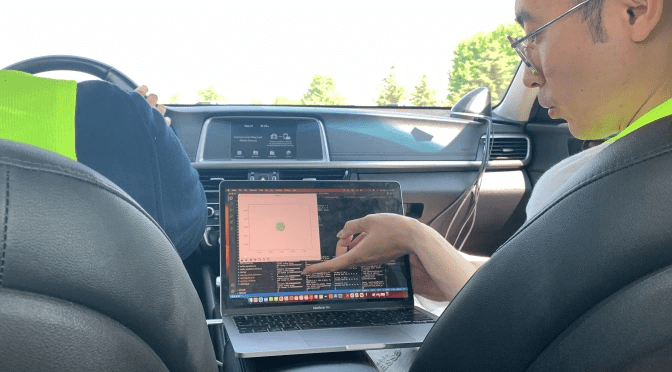
Developing Technology to Prevent Vehicles from Running Red Lights
Crashes that result from vehicles driving through red lights are often very serious because they are typically right-angle or side-impact crashes. While newer vehicles have many standard safety features such as lane departure warning and brake assistance systems to support drivers, they do not have technologies to help prevent driving through red lights. This project developed an algorithm that integrated traffic light phasing information with GPS data to warn drivers when they were approaching a red light, providing valuable driver assistance and improving traffic safety and efficiency.
Continue reading Developing Technology to Prevent Vehicles from Running Red Lights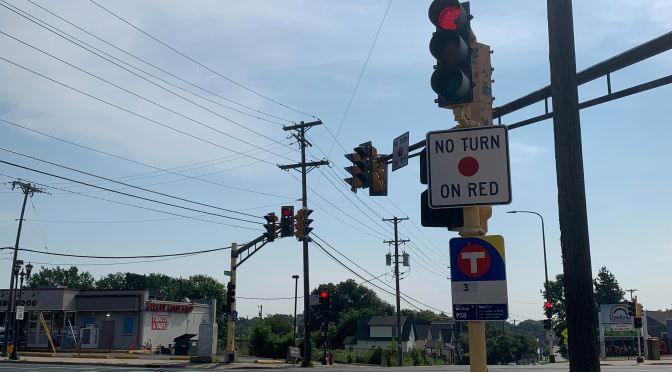
Comparing the Effectiveness of No Right Turn on Red Sign Types at Traffic Signals
Preventing right turns on red at traffic signals is a generally effective pedestrian safety measure. But when pedestrians are absent, allowing right turns on red can improve traffic flow. Unlike static signs that prohibit right turns on red, dynamic No Right Turn on Red (NRTOR) signs can be activated when pedestrians are present. Comparing driver compliance with dynamic and static signs indicated that each sign type may have its own benefits.
Continue reading Comparing the Effectiveness of No Right Turn on Red Sign Types at Traffic Signals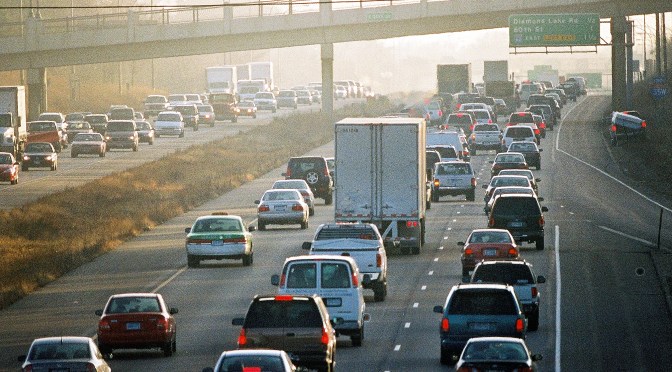
Assessing Reliability and Resilience on Freeway Corridors
Drivers and businesses benefit from a freeway network that is predictable and able to withstand disturbances such as construction, incidents and poor weather. To provide a high level of service on freeways, traffic managers monitor and assess traffic flows and speeds under various conditions. In this project, investigators analyzed and identified the most vulnerable portions of the Twin Cities freeway network and enhanced an analysis tool to provide better estimates of travel-time reliability and operational resilience.
Continue reading Assessing Reliability and Resilience on Freeway Corridors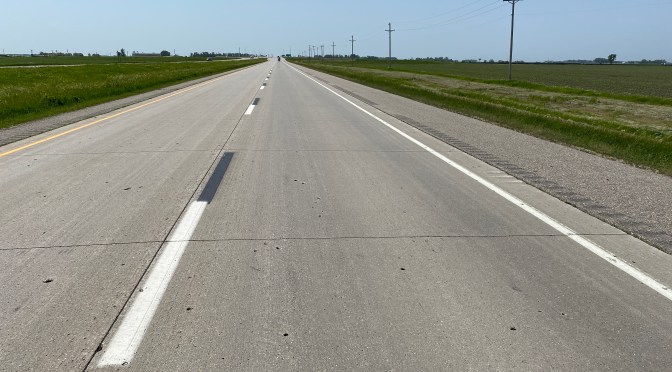
Examining Driver Preferences for Lane Line Patterns and Widths
Pavement markings that clearly delineate lanes are important for reducing crashes and improving the safety of drivers. The configurations of these pavement markings—primarily the width and length of the line and the spacing of broken lines—vary from state to state. This project identified driver preferences for pavement marking patterns and widths, which can increase visibility and improve safety.
Continue reading Examining Driver Preferences for Lane Line Patterns and Widths
New Project: Roundabouts, J-Turns, etc. – Understanding Their Economic Impacts
Roundabouts and J-turns have consistently shown significant improvements in safety and traffic flow in Minnesota and across the U.S. Still, some community residents and businesses oppose replacing traditional intersections with alternative intersections like roundabouts or J-turns.
Continue reading New Project: Roundabouts, J-Turns, etc. – Understanding Their Economic Impacts
New Smartphone App Uses GPS Technology to Warn Drivers of Lane Departures
Preventing vehicles from drifting out of traffic lanes is a top safety priority for transportation officials. An ongoing research project has produced a smartphone app that alerts drivers when their vehicles drift from a lane. The current phase of the project improved upon earlier versions of the app by adding GPS and significantly increasing the effectiveness of lane departure detection.

Designing Channelized Right-Turn Lanes to Increase Pedestrian and Cyclist Safety
The use of channelized right-turn (CRT) lanes at intersections can improve driver safety and traffic mobility but can be challenging for bicyclists and pedestrians, particularly those with sight or other impairments. This project examines the current practice of CRTs to identify design solutions and mitigation strategies to better accommodate the safety and accessibility needs of all road users.
Continue reading Designing Channelized Right-Turn Lanes to Increase Pedestrian and Cyclist Safety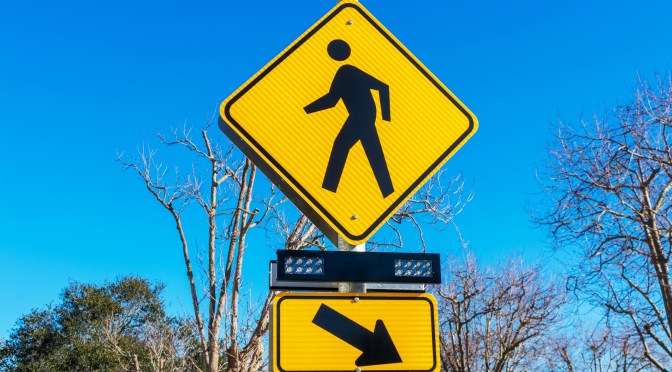
New Project: User Understanding of Pedestrian Hybrid Beacon Operation
Pedestrian hybrid beacons (PHBs) are one tool to help pedestrians safely cross roads. PHBs provide red-signal control for vehicular traffic when needed at lower installation costs and reduced traffic delays than full traffic signals.
Continue reading New Project: User Understanding of Pedestrian Hybrid Beacon Operation
Safety Considerations Associated with Driverless Shuttles
Driverless vehicles present an enticing opportunity for increased traffic safety and reduced labor costs. However, technical issues and concerns remain regarding the interaction between driverless vehicles and human drivers. This project included observing and analyzing the interactions of a driverless shuttle and other road users in a pedestrian-heavy area to develop strategies for decreasing potential threats. Increasing the speed of the driverless shuttle and displaying clearer electronic messaging on the back of the shuttle could improve safety challenges.
Continue reading Safety Considerations Associated with Driverless Shuttles
