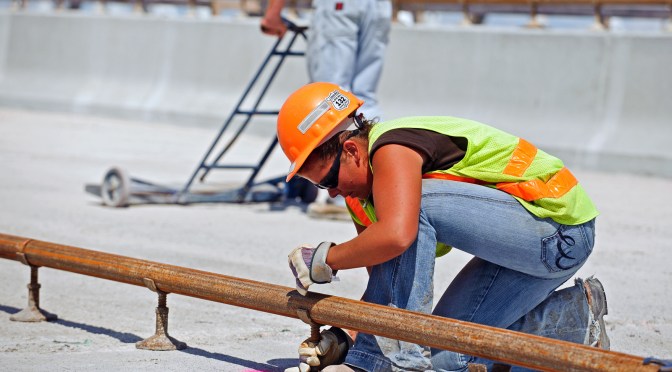
MnDOT’s Disadvantaged Business Enterprise (DBE) Program was established by the federal government to ensure women-owned and minority-owned businesses have the opportunity to participate in MnDOT contracts.
Several contracting barriers exist for DBEs, which may have been exacerbated by COVID-19, such as access to capital, a shortage of PPE materials and staffing shortfalls due to workplace risks and caregiving responsibilities.
Pandemics, social unrest and natural disasters can disrupt state efforts to reach the public about projects, priorities, policy issues and services. MnDOT and other agencies have turned to Skype, Zoom, Webex, Facebook Live and other tools to present proposals and receive public input with some success. Participation in public meetings that in the past would have drawn fewer than 10 attendees may now draw 80 online.
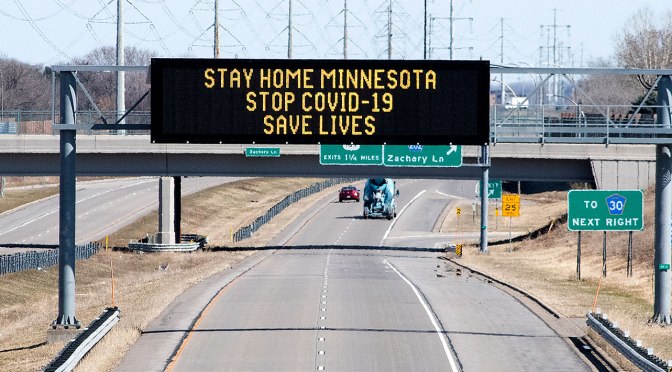
In response to the COVID-19 pandemic, many employees in both the public and private sectors have begun telecommuting. The resulting reduction in commuting hours and miles traveled on state highways has been staggering.
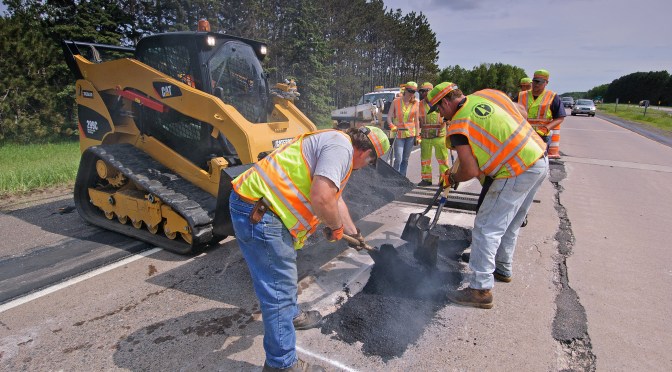
Across the transportation industry, public and private employers are experiencing workforce shortages and an uncertain future. As older employees retire and younger workers fill their roles, organizations must naturally adjust to accommodate their changing workforce. In the transportation industry, shifting demographics have also brought new attitudes regarding technical jobs. The result is that fewer engineers and other highly skilled professionals are entering the field, and keeping those who do is becoming increasingly difficult. To address this changing landscape, transportation agencies of all sizes must be prepared to meet the challenges ahead or risk falling behind.
This article was originally published in Catalyst, February 2021.
Among the attendees at the Center for Transportation Studies Freight and Logistics Symposium in December, 44 percent expected to add staff to their organization in 2021, according to a live poll conducted by keynote speaker Joe Mahon. Another 39 percent of respondents expected staffing to remain steady.
This article was originally published in Catalyst, February 2021.
When the coronavirus pandemic is brought under control, will people return to stores in pre-COVID numbers? Will telecommuters head back to the office, by car or by bus? The answer to these questions, and many others, will have a major impact on transportation and society.
This article was originally published in Catalyst, November 2020.
As momentum for connected and automated vehicles (CAVs) continues to build in Minnesota, researchers in the U’s Transportation Policy and Economic Competitiveness (TPEC) program are working to understand how CAV technology could serve transportation-disadvantaged communities. CAVs offer the potential to provide greater mobility and equity for many people, but public engagement is essential to ensure all user needs are understood and addressed.
Minnesota is experiencing warmer winters and an increase in freeze-thaw events may negatively impact pavement systems. However, the impacts of these recent climate changes on freeze-thaw cycles have not been well studied.
The availability of hybrid electric utility vehicles expands the field of choices for a fleet manager looking to replace or expand fleets. In order to justify new vehicle purchases, fleet managers of local agencies need to determine how choices impact budgets and operations.
Expenditures for maintenance are not keeping pace with the needs of the local transportation system. When local governments face fiscal stress, planned maintenance gets postponed to make funding available for other purposes. As deferred maintenance grows, the work and investments needed to bring an asset into a good condition grow too.






 Crossroads