
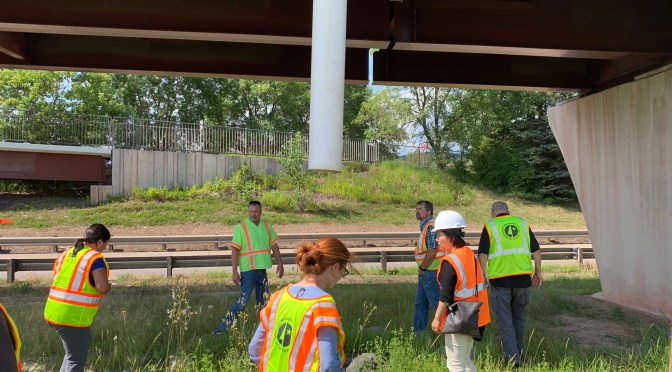
New research explored the environmental impacts of an alternative to road salt—potassium acetate, which is effective on ice at lower temperatures. Minnesota’s winter roads have been effectively treated for decades with chloride-based mixtures for anti-icing and deicing. Salt, however, corrodes steel in vehicles and infrastructure. Additionally, chloride runoff harms the aquatic environment. For example, up to 70% of road salt applied on Minneapolis-St. Paul metropolitan area roads ends up in groundwater aquifers and nearby lakes, many of which exceed regulatory limits for chloride concentrations.
Continue reading Environmental Evaluations of Potassium Acetate Used as a Road Salt AlternativeCategory Archives: Environment

Treating Stormwater with Local By-Products Reduces Road Construction Costs, Minimizes Waste
This article was originally published in Catalyst, August 2022.
Ongoing research is looking into the possibility of using local industrial waste for roadside stormwater construction projects. This would help reduce material and transportation costs and put otherwise wasted materials to use.
Continue reading Treating Stormwater with Local By-Products Reduces Road Construction Costs, Minimizes Waste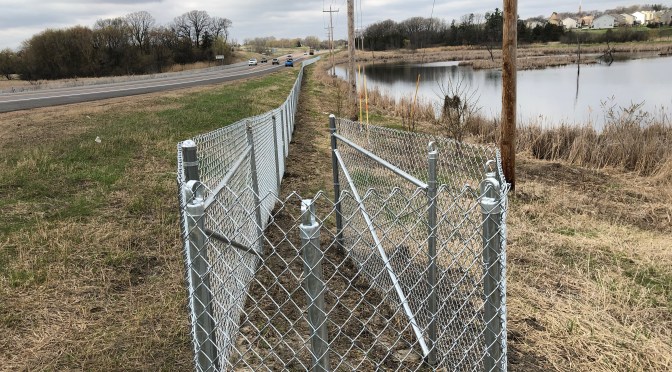
Improving Road Safety and Wildlife Conservation With Barrier Fencing
Small animals crossing roads put the animals at risk and present a significant safety hazard to road users. Motorists who suddenly stop or slow to avoid small animals crossing the road can cause significant safety concerns. Motorcyclists and bicyclists risk serious injury if they swerve or hit an animal, as do pedestrians in the road trying to assist the animals. A new, cost-effective fence design was tested and shown to be effective in preventing small animal crossings, benefiting both public safety and conservation.
Continue reading Improving Road Safety and Wildlife Conservation With Barrier Fencing
Roadside Safe Spaces for Butterflies and Bees
Pollinators such as rusty-patched bumble bees and monarch butterflies, critical to our eco-system, are at risk due to the loss of native habitat. A University of Minnesota research team, with support of MnDOT and the Local Road Research Board, studied whether restored roadsides could provide safe habitats for declining pollinator populations.
Continue reading Roadside Safe Spaces for Butterflies and Bees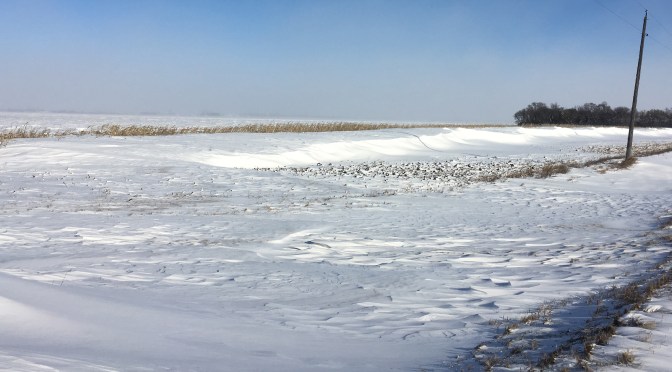
Expanding Alternative Snow Control Through Landowner Engagement
Some rural landowners maintain snow fences to prevent blowing snow from reaching highways, decreasing the resources MnDOT spends on winter maintenance. A recent project provided new information and updated tools to encourage more landowners to adopt this alternative snow control method.
Continue reading Expanding Alternative Snow Control Through Landowner Engagement
Pond Maintenance Strategies to Retain Phosphorus
Cities and counties depend on stormwater retention ponds to protect water quality in lakes and streams. New research sponsored by the Minnesota Local Road Research Board has identified cost-effective methods for ensuring pollutants remain in pond sediment and are not released into other bodies of water.
Continue reading Pond Maintenance Strategies to Retain Phosphorus
Developing Transportation Systems Climate Resilience Performance Measures
Climate change is exacerbating weather-related impacts on the transportation system. As floods, droughts, wildfires and other extreme weather events become more common and destructive, transportation infrastructure will need to adapt to become more resilient.
Continue reading Developing Transportation Systems Climate Resilience Performance Measures
Researcher Charts Path for Greater use of Electric Freight Vehicles in Minnesota
This article was originally published in Catalyst, May 2022.
In Minnesota, trucking produces about 13 percent of the total pollutants in the state. Moreover, a 2019 EPA report identified the transportation sector as the source of the highest share of greenhouse gas emissions in the United States, a problem compounded by the fact that this pollution is more concentrated in urban areas.
Continue reading Researcher Charts Path for Greater use of Electric Freight Vehicles in Minnesota
Reusing Local Byproducts in Sustainably Designed Soils
After road construction, soil in revegetation areas must retain adequate stormwater and provide stable embankments along the road. Revegetation can be challenging due to thin topsoil, and it often requires importing healthy organic soil and exporting excess construction soil generally unsuitable for plant growth.
Continue reading Reusing Local Byproducts in Sustainably Designed Soils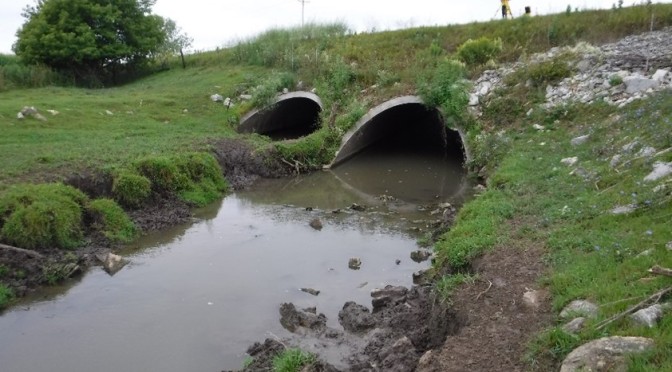
Assessing Culvert Designs for Aquatic Wildlife Capabilities and Future Resiliency
Culverts that influence the speed, depth or flow of a natural waterway can have a detrimental impact on fish populations. By assessing sites across the state, MnDOT sought to identify the effects the culverts have on aquatic wildlife currently and project what potential flooding and drought scenarios could mean in the future.
Continue reading Assessing Culvert Designs for Aquatic Wildlife Capabilities and Future Resiliency Crossroads