
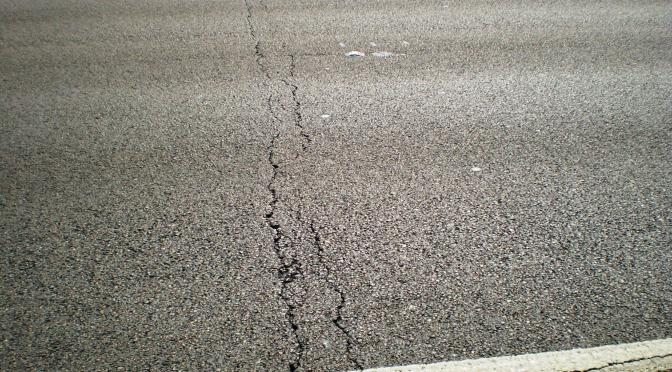
A new method of testing low-temperature cracking in asphalt pavement shows promise for design, quality control and quality assurance. Test results produced by the new method, which is faster and less expensive than the previous method, match well with results from the older method.
Continue reading Evaluating Cracking Resistance Test Methods for Asphalt Pavements
Urban Rapid Transit Reduces Traffic on Nearby Roads
Light rail transit and bus rapid transit in the Twin Cities provide urban residents with fast, safe and reliable transportation. These transitways have the potential to attract more riders and further reduce automobile traffic, relieving the growth of congestion on nearby roads as people decide to be transitway passengers rather than motorists.
Continue reading Urban Rapid Transit Reduces Traffic on Nearby Roads
Strategies for Recruiting and Retaining Minnesota’s Transportation Workforce
Across the transportation industry, public and private employers are experiencing workforce shortages and an uncertain future. As older employees retire and younger workers fill their roles, organizations must naturally adjust to accommodate their changing workforce. In the transportation industry, shifting demographics have also brought new attitudes regarding technical jobs. The result is that fewer engineers and other highly skilled professionals are entering the field, and keeping those who do is becoming increasingly difficult. To address this changing landscape, transportation agencies of all sizes must be prepared to meet the challenges ahead or risk falling behind.
Continue reading Strategies for Recruiting and Retaining Minnesota’s Transportation Workforce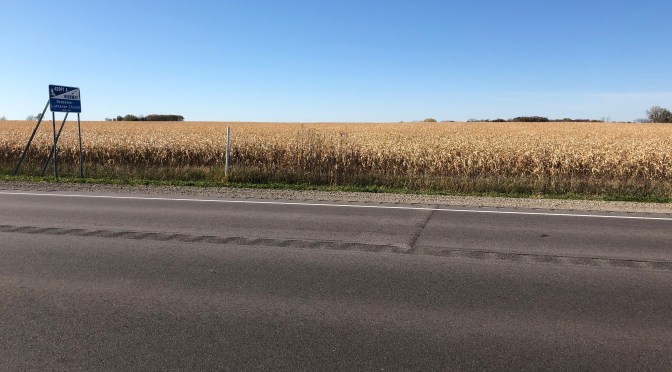
Evaluating the Impact of J-Band on Pavement Service Life and Crack Resistance
Potholes and other pavement failures in asphalt typically occur at the seams between lanes, where the mixture loses density during compaction because the edges are not confined like they would be with cement concrete forms. Researchers found that spraying J-Band, a void-reducing asphalt membrane (VRAM), in a band along longitudinal joints before asphalt layers are applied increased bond strength, lowered permeability and air void levels, and improved crack resistance.
Continue reading Evaluating the Impact of J-Band on Pavement Service Life and Crack Resistance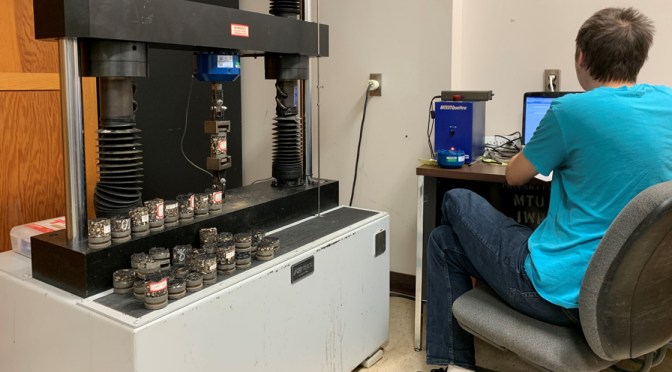
Investigating Asphalt Pavement Stripping Under Seal Coats
A recent Local Road Research Board (LRRB) study confirmed that increased freeze-thaw activity during Minnesota winters leads to delamination of seal coats from underlying pavements. Researchers identified optimal seal coat mix combinations and site conditions that may ensure effective seal coating of asphalt pavements in cities and counties around Minnesota.
Continue reading Investigating Asphalt Pavement Stripping Under Seal Coats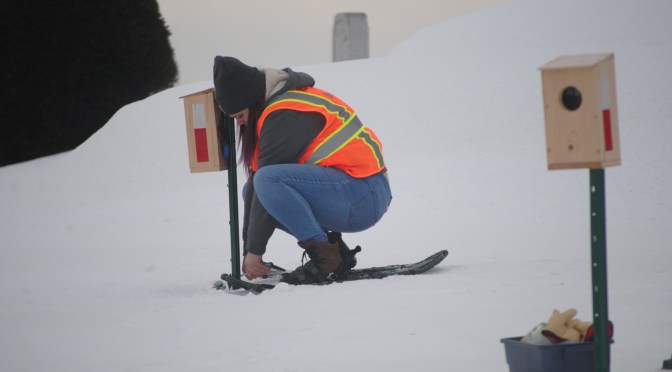
Evaluating “Hot Shots”: Winter Roads Treatment of Hardest Icy Spots
A new six-part video series, “Hot Shots for Cold Climates” explores treating Minnesota’s iciest roadways, with safety and environmental impact in mind.
Continue reading Evaluating “Hot Shots”: Winter Roads Treatment of Hardest Icy Spots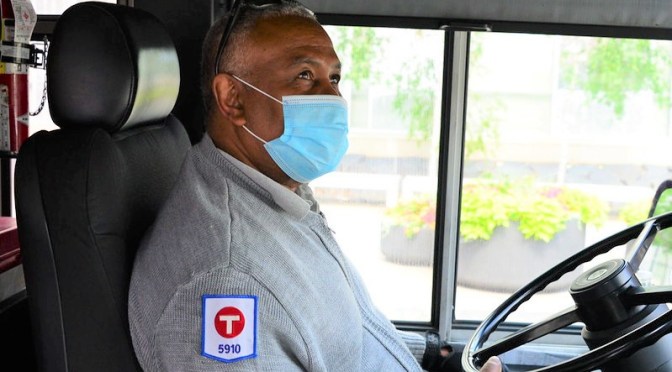
Researchers Develop Analytics Tool to Predict Gaps in Metro Transit Bus Driver Schedules
This article was originally published in Catalyst, February 2021.
Solving real-world problems sometimes requires a very boots-on-the-ground approach. When Metro Transit began experiencing a bus driver shortage, researchers from the University of Minnesota (U of M) decided to do some first-hand observations of bus dispatcher life in order to develop a tool that could make scheduling easier.
Continue reading Researchers Develop Analytics Tool to Predict Gaps in Metro Transit Bus Driver Schedules
Freight Industry Ends Tumultuous Year With Cautious Optimism for 2021
This article was originally published in Catalyst, February 2021.
Among the attendees at the Center for Transportation Studies Freight and Logistics Symposium in December, 44 percent expected to add staff to their organization in 2021, according to a live poll conducted by keynote speaker Joe Mahon. Another 39 percent of respondents expected staffing to remain steady.
Continue reading Freight Industry Ends Tumultuous Year With Cautious Optimism for 2021
State Legislators Hear From U Experts on Future of Post-COVID Transportation
This article was originally published in Catalyst, February 2021.
When the coronavirus pandemic is brought under control, will people return to stores in pre-COVID numbers? Will telecommuters head back to the office, by car or by bus? The answer to these questions, and many others, will have a major impact on transportation and society.
Continue reading State Legislators Hear From U Experts on Future of Post-COVID Transportation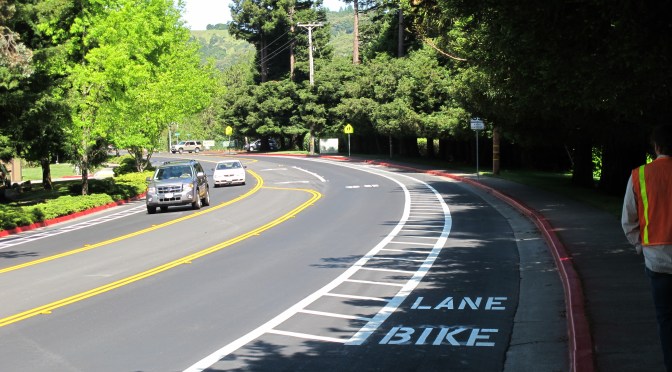
Local Guidance for Bicycle Facility Design
A quick reference guide is now available to help local agency planners and designers select the best bicycling facilities for their system. This guide walks local agencies through the selection and design process, and directs users to specific places within design manuals for details on facility questions.
Continue reading Local Guidance for Bicycle Facility Design
