

MnDOT and local agencies control stormwater runoff from roadways through a range of settlement, filtration and infiltration facilities, such as wet ponds, infiltration basins, trenches and swales. Infiltration facilities have been used for more than 30 years, but a high rate of failure has been tied to inaccurate determination of soil infiltration rates. Researchers developed new tools and protocols to provide designers and engineers with the accurate infiltration measures they need, from initial site selection through construction. These tools and methods will support the development of successful stormwater infiltration facilities along Minnesota roadways.
Continue reading Stormwater Bioslope Site Monitoring Continues Using Local Filter Media
Smartphone App Aims to Help Drivers Switch to More Sustainable Transportation Modes
This article was originally published in Catalyst, May 2021.
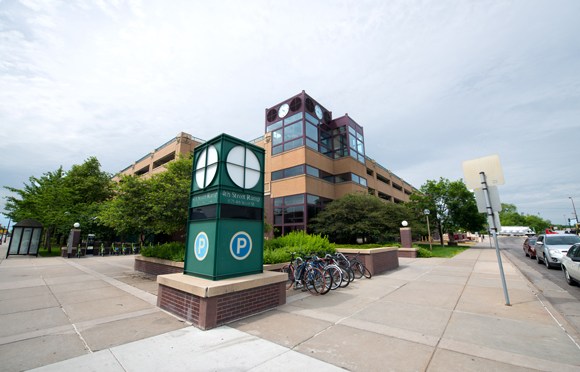
Using an innovative mobility app, U of M researchers are pointing the way for drivers to shift their travel toward more sustainable modes such as transit, park-and-ride, walking, and biking.
Continue reading Smartphone App Aims to Help Drivers Switch to More Sustainable Transportation Modes
Edina Studies Snowmelt To Reduce Chlorides From Deicing Operations
In Minnesota’s metro region, areas of shallow groundwater show increasing evidence of chloride contamination from winter road maintenance operations, particularly deicing. More than a quarter show chloride concentrations at the maximum contaminant level for municipal drinking water. In addition, 123 lakes and rivers show chloride impairment or risk of impairment for aquatic life. Chlorides are now considered the second most important threat, after phosphorus, to Minnesota’s urban waters.
The City of Edina, with funding from the Local Road Research Board, hired the University of Minnesota to analyze chloride accumulation in city snowmelt following winter maintenance operations to learn how to most effectively adjust its deicing strategies to reduce chloride contamination.
Over two winters, researchers collected data from city deicing operations and correlated it with chlorides present in meltwater runoff. A sampler box collected data continuously, and snow pile cores were also analyzed. Snowplow operators then examined the results during workshops, yielding innovative ideas for reducing salt use.
Continue reading Edina Studies Snowmelt To Reduce Chlorides From Deicing Operations
A Long-Term Approach to Green Stormwater Infrastructure
This article was originally published in Catalyst, May 2021.
Strategies for managing stormwater runoff have been steadily undergoing a shift in recent decades toward “green” infrastructure. This is a potentially beneficial change, but transportation professionals are beginning to recognize a need for better information on how to properly design, implement, and maintain these facilities.
Continue reading A Long-Term Approach to Green Stormwater Infrastructure
New Field Guide for Limiting Seasonal Soil Movement at Culverts
A new field guide offers best practices for mitigating the impact of seasonal movement of soils at culverts and utilities. The user-friendly reference offers links to design drawings, plans, specifications and other resources.
Continue reading New Field Guide for Limiting Seasonal Soil Movement at Culverts
New Project: Identifying and Optimizing Electric Vehicle Corridor Charging Infrastructure for Medium- and Heavy-Duty Trucks
Transportation is the number one emitter of greenhouse gas emissions in Minnesota and medium to heavy duty trucks contribute to about 40% of transportation carbon pollution.
While electric cars and buses are becoming more common, medium and heavy duty electric trucks are still in their infancy, and the nationwide infrastructure needs to support them still has to be determined.
In a new study, MnDOT will identify the electric charging infrastructure needed along Minnesota highway corridors to support clean freight transportation.
Continue reading New Project: Identifying and Optimizing Electric Vehicle Corridor Charging Infrastructure for Medium- and Heavy-Duty Trucks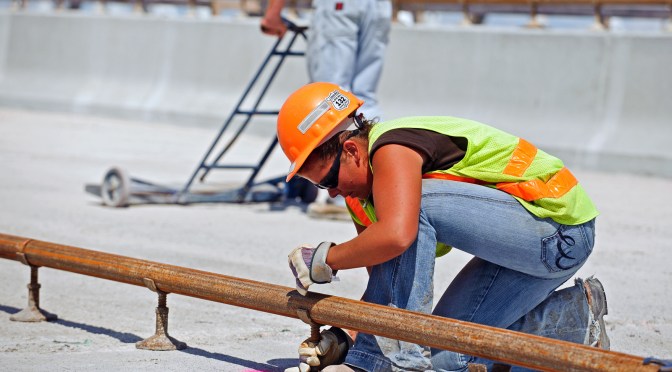
New Project: Understanding How the Disparate Effects of COVID-19 are Affecting MnDOT’s Efforts at Equitable Contracting
MnDOT’s Disadvantaged Business Enterprise (DBE) Program was established by the federal government to ensure women-owned and minority-owned businesses have the opportunity to participate in MnDOT contracts.
Several contracting barriers exist for DBEs, which may have been exacerbated by COVID-19, such as access to capital, a shortage of PPE materials and staffing shortfalls due to workplace risks and caregiving responsibilities.
Continue reading New Project: Understanding How the Disparate Effects of COVID-19 are Affecting MnDOT’s Efforts at Equitable Contracting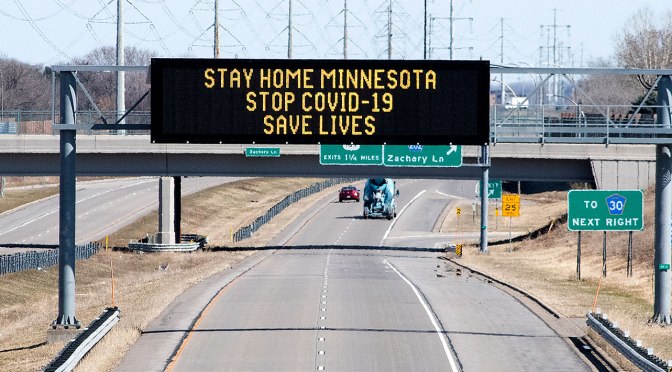
New Project: Public Engagement Practices During the COVID-19 Pandemic and Other Disruptive Events
Pandemics, social unrest and natural disasters can disrupt state efforts to reach the public about projects, priorities, policy issues and services. MnDOT and other agencies have turned to Skype, Zoom, Webex, Facebook Live and other tools to present proposals and receive public input with some success. Participation in public meetings that in the past would have drawn fewer than 10 attendees may now draw 80 online.
Continue reading New Project: Public Engagement Practices During the COVID-19 Pandemic and Other Disruptive Events
New Project: Telecommuting During COVID-19: How Does It Shape the Future Workplace and Workforce?
In response to the COVID-19 pandemic, many employees in both the public and private sectors have begun telecommuting. The resulting reduction in commuting hours and miles traveled on state highways has been staggering.
Continue reading New Project: Telecommuting During COVID-19: How Does It Shape the Future Workplace and Workforce? Crossroads