

In a project funded by MNDOT, entomologists developed an innovative method for surveying bumble bee populations alongside roadways. The researchers have recently published an article in Biological Conversations, Vol 283 focusing on the lessons learned about sampling when surveying these quick-moving bees.
Continue reading Monitoring Bumble Bee Populations in the Twin Cities Metro – Lessons Learned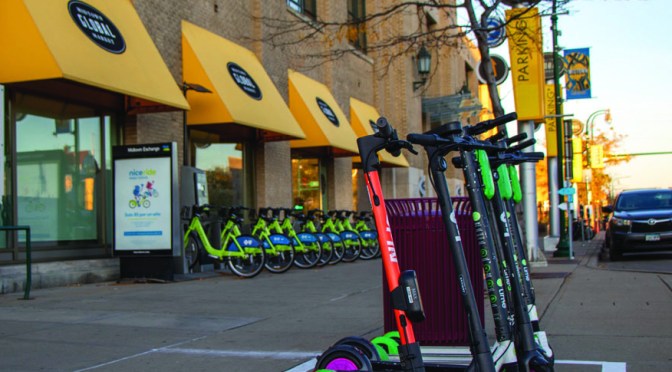
Understanding Transit and Shared Mobility Preferences in Greater Minnesota Post-COVID
Public transit and shared mobility use sharply decreased during the pandemic. To remain viable, transit agencies and other transportation services in Greater Minnesota need to recover customers. A recent project identified rider preferences, safety measures and service improvements to increase interest in and use of alternative transportation.
Continue reading Understanding Transit and Shared Mobility Preferences in Greater Minnesota Post-COVID
The Role of Gender and Identity in Travel Behavior
Ensuring the transportation system is accessible and welcoming to all demographics requires understanding how different genders interact with the transportation system. Insight gained from a new project into the impacts of gender and other identities on travel needs, challenges and experiences will aid MnDOT in advancing transportation equity.
Continue reading The Role of Gender and Identity in Travel Behavior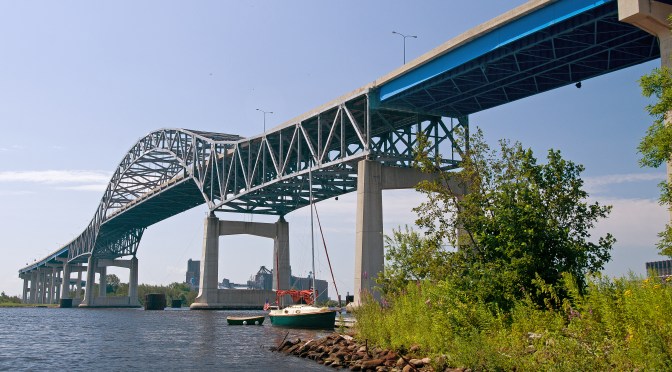
Assessment of GFRP-Reinforced Bridge Deck Performance
A nonmetallic alternative to the steel rebars that reinforce concrete bridge decks has the potential to be longer lasting and more cost-effective in keeping bridges maintained in Minnesota’s harsh climate. Initial studies show that the performance of bridge decks built with glass fiber-reinforced polymer (GFRP) is comparable to—if not better than—conventionally built decks.
Continue reading Assessment of GFRP-Reinforced Bridge Deck Performance
New Project: Using Apps to Notify the Public of Local Road and Bridge Closures
The traveling public increasingly relies on navigation systems to get to their destinations. Currently, there is not a system, tool, or process being used by cities and counties in Minnesota to report road or bridge closures for use by transportation agencies to display to the traveling public or for use by third-party mapping/navigation companies (e.g., Waze, TomTom, HERE Technologies, Google Maps) to provide to the public.
This project will document up to three best practices for manual local road closure reporting, describe an approach that the Local Road Research Board could use to develop or implement an existing user-friendly road closure reporting system, and provide guidance on how to report closures to third-party mapping/navigation companies.
Objectives
MnDOT already operates and maintains a statewide traveler information reporting system known as CARS. This project will review and summarize the options and approach for adapting it for local road entry. As part of the study, researchers will:
- Develop best practices for reporting systems by documenting four examples used in other states for establishing and operating tools to report local road closures.
- Define three options for how to make a user-friendly system for local Minnesota agencies using the outcomes of the best practices summary.
- Prepare users guide for entering information into existing mapping tools that will assist in understanding the process to submit road closures and mapping updates to established mapping/navigation providers.
Project Details
- Estimated Start Date: 12/19/2022
- Estimated Completion Date: 03/31/2024
- Funding: Local Road Research Board
- Principal Investigator: Dean Deeter
- Technical Liaison: Perry Clark
Details of the research study work plan and timeline are subject to change.
To receive email updates about this project, visit the Local Road Research Board to subscribe.
Exploring a State-Tribal Partnership to Advance Energy Goals
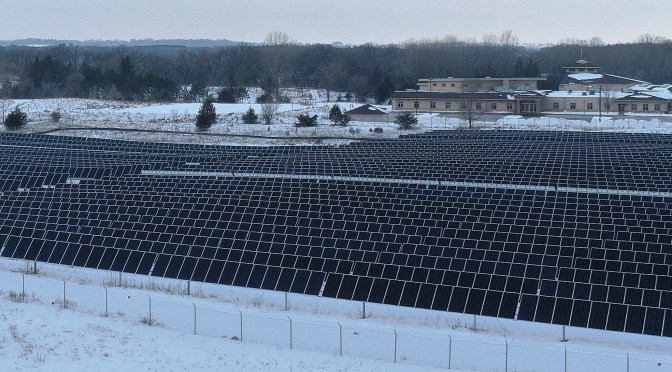
MnDOT has a unique opportunity to make progress toward its renewable energy goals and enhance the government-to-government relationship with the Red Lake Nation. Initial analyses of an innovative energy partnership indicate potential mutual and multiple benefits for MnDOT and the tribe.
Continue reading Exploring a State-Tribal Partnership to Advance Energy Goals
CTS Webinar: Transportation and Climate Action
Wednesday, May 31, 2023
10:00 a.m.–11:30 a.m. Central
New Clear Roads Research: Evaluating high-performance plow blades
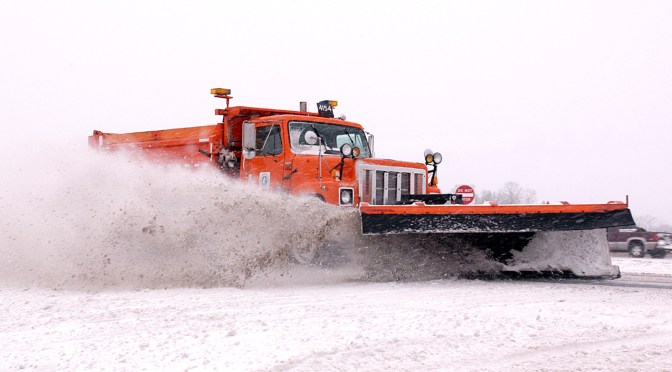
A variety of factors can affect a snowplow blade’s long-term performance, making it difficult for an agency to determine which blades are the most cost-effective overall. By developing a field test protocol and cost-benefit analysis methodology, the new research will make it easier for Clear Roads agencies to evaluate and compare blades in the future using the same standard procedures used in this project.
Continue reading New Clear Roads Research: Evaluating high-performance plow blades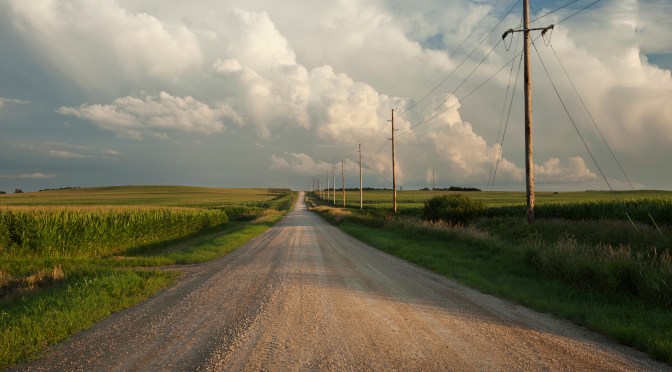
New Project: Evaluation of Gravel Stabilizer Used on Gravel Roads and Shoulders
Approximately 50% of roads in Minnesota are gravel. The performance and long-term sustainability of such roads depend on the quality of the surface layer. Unbound large particles can form an unstable road surface that becomes rough, developing potholes and corrugations as this material is scattered by vehicles or washed away by rain. As a result, more frequent maintenance and reconstruction is required, which becomes very expensive for Minnesota counties.
Continue reading New Project: Evaluation of Gravel Stabilizer Used on Gravel Roads and Shoulders
Future of Mobility: Decarbonized transportation
April 26, 2023
The Future of Mobility series collects the perspectives of top U researchers and other national experts. In 17 articles, the authors scan the horizon and reflect on critical transportation topics. Each article recommends action steps for public officials and policymakers.
Continue reading Future of Mobility: Decarbonized transportation Crossroads