Category Archives: Environment

Managing Stormwater in a Changing Climate Will Require Updates to Minnesota’s Infrastructure

Reprinted from CTS News, March 21, 2024
—Sophie Koch, contributing writer

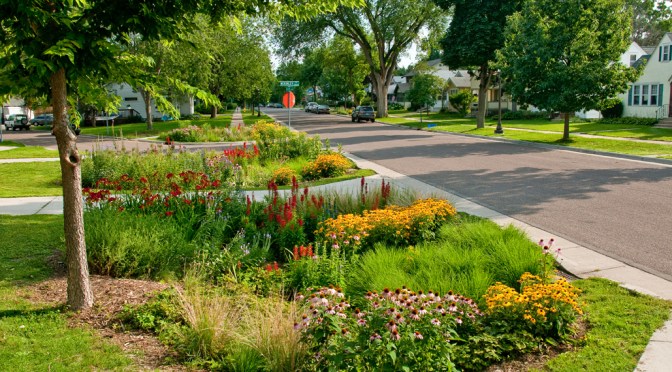
Changing precipitation patterns caused by the onset of climate change mean that Minnesota’s stormwater management systems—the ponds, pipes, and other structures meant to control runoff in the event of a heavy rainstorm—are going to need an upgrade. 

Continue reading Managing Stormwater in a Changing Climate Will Require Updates to Minnesota’s Infrastructure

Stormwater Research Sees Practical Application in Twin Cities Metro, St. Cloud

Sophie Koch, CTS News, February 22, 2024

A long-running series of U of M research projects aimed at improving stormwater quality are beginning to see practical application by stormwater specialists from the Twin Cities metro area and beyond.

Continue reading Stormwater Research Sees Practical Application in Twin Cities Metro, St. Cloud

New Project: Development of Erosion Control Product Longevity Test Methodology

MnDOT has approved products for blanket and hydromulches. There are many versions of each type of temporary erosion prevention materials, that vary in thickness, composition, and cost.

The two most common stabilization methods to control erosion and establish vegetation used by MnDOT are Hydraulic Erosion Control Products (HECP) and Rolled Erosion Prevention Products (REPP). Specifying the best fitting product for the situation keeps MnDOT in compliance with stormwater permits and is more cost effective.

Continue reading New Project: Development of Erosion Control Product Longevity Test Methodology

Assessing Urban Stormwater Infrastructure Capacity for Severe Storms

Managing stormwater is important to prevent flooding and associated safety risks; impacts to the environment; and damage to property, roads and bridges. As severe storms increase, MnDOT wants to ensure its stormwater diversion infrastructure can keep communities, roads and ecosystems safe from flooding. New research is helping the agency understand projected stormwater flows and identify cost-effective strategies and other adaptation considerations to manage stormwater.

Continue reading Assessing Urban Stormwater Infrastructure Capacity for Severe Storms

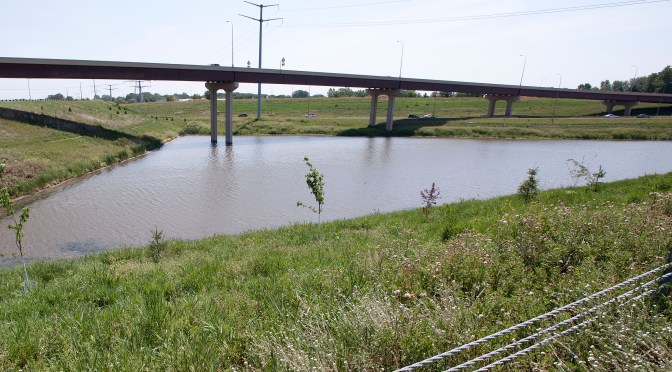
Assessing Stormwater Ponds for Phosphorus Retention

Stormwater ponds and wetlands reduce flood risk and keep pollutants from entering other bodies of water. As ponds age and change, however, they may not perform as designed. Local agencies now have tools to assess whether a pond is likely to retain phosphorus, which can help guide stormwater management efforts.

Continue reading Assessing Stormwater Ponds for Phosphorus Retention

New Project: Assessing a New Tool for Early Detection of Endangered Turtles on Proposed Transportation Projects

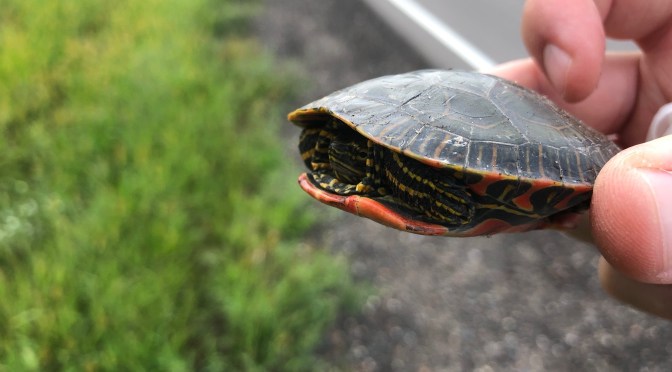
As turtle populations decline worldwide, increased protections (e.g. United States Endangered Species Act) yield increased regulatory burdens. As a consequence, monitoring of imperiled turtle species is imperative to understand both their extant distributions, but also to ensure regulatory compliance.

However, conventional methods for surveying turtles are frequently costly, time consuming, require taxonomic expertise, and unlikely to yield detections without repeated visits. And these burdens are exacerbated when sampling rare, threatened, or endangered (RTE) species. In these instances, innovative technological advances may overcome these limitations, ultimately streamlining monitoring.

Continue reading New Project: Assessing a New Tool for Early Detection of Endangered Turtles on Proposed Transportation Projects

Evaluating MnDOT’s Turfgrass Seed Variety List and Approval Process

As climate conditions change and seed development processes advance, some grass varieties may perform better than others. New research will allow MnDOT to update its approved turfgrass list and ensure it remains up to date with the most effective varieties.

Continue reading Evaluating MnDOT’s Turfgrass Seed Variety List and Approval Process

Strategies improve pollinator roadside habitat, reduce costs

First published in Catalyst, May 22, 2023.

Transportation agencies revegetate roadsides after construction projects to provide road stability, stormwater filtration, and visual appeal. Revegetation is also a good opportunity to create pollinator-friendly habitat. However, planting and maintaining ditches can be expensive, funds for such projects are usually limited, and there isn’t much data on which methods actually work.

Continue reading Strategies improve pollinator roadside habitat, reduce costs

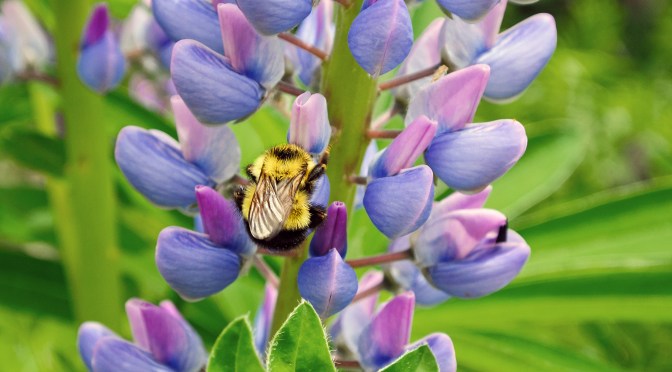
Monitoring Bumble Bee Populations in the Twin Cities Metro – Lessons Learned

In a project funded by MNDOT, entomologists developed an innovative method for surveying bumble bee populations alongside roadways. The researchers have recently published an article in Biological Conversations, Vol 283 focusing on the lessons learned about sampling when surveying these quick-moving bees.

Continue reading Monitoring Bumble Bee Populations in the Twin Cities Metro – Lessons Learned

Exploring a State-Tribal Partnership to Advance Energy Goals

MnDOT has a unique opportunity to make progress toward its renewable energy goals and enhance the government-to-government relationship with the Red Lake Nation. Initial analyses of an innovative energy partnership indicate potential mutual and multiple benefits for MnDOT and the tribe.

Continue reading Exploring a State-Tribal Partnership to Advance Energy Goals