Category Archives: Environment

Identifying Factors That Affect Stormwater Basin Performance

Stormwater basins are used to control runoff, prevent flooding and limit pollutants from reaching rivers, lakes and other large bodies of water. MnDOT monitors and maintains more than 400 infiltration and filtration basins statewide, and that number continues to grow. Identifying indicators of needed maintenance will increase management efficiency and basin performance. Field research at 28 basins identified basin age and silt content as two important factors to consider when planning inspections and taking corrective actions.

Continue reading Identifying Factors That Affect Stormwater Basin Performance

Beyond the border: Canadian studies consider permeable pavement, climate change impacts on deicing operations

Reprinted from MnLTAP News, November 17, 2025

The 2025 Salt Symposium highlighted two studies from Canada, one comparing salt applications on permeable and asphalt surfaces and another considering the impact of climate change on municipal operations. Hosted by Bolton & Menk, the August 5 Salt Symposium brought together professionals from throughout the world to share research, projects, and approaches for chloride management.

Continue reading Beyond the border: Canadian studies consider permeable pavement, climate change impacts on deicing operations

Developing Biochar Specifications for Stormwater Management 

Effective stormwater management helps keep roadway contaminants from entering Minnesota’s lakes and streams. Management practices include soil and vegetation in roadside bioretention systems that filter heavy metals and hydrocarbons created by vehicles. Based on other studies, retention and transformation of roadside pollutants should be improved by biochar application to existing or engineered soils. Abundant sources of biomass can be used to produce biochar, a soil amendment with numerous benefits. MnDOT and local agencies identified biochar specifications for effective use in stormwater treatment to support the next phase of testing and development of biochar design guidance. 

Continue reading Developing Biochar Specifications for Stormwater Management 

Detecting Endangered Turtles with Environmental DNA

More than 60% of the world’s turtle species are endangered, including Blanding’s and wood turtles, which are native to Minnesota and may be found in the state’s wetlands, ponds, lakes and streams. To protect these vulnerable populations and their habitats, a cost-effective tool developed in this study will efficiently allow for the early detection of these turtles at transportation project sites. 

Continue reading Detecting Endangered Turtles with Environmental DNA

Evaluation of Corrugated Pipes Manufactured with Recycled Materials

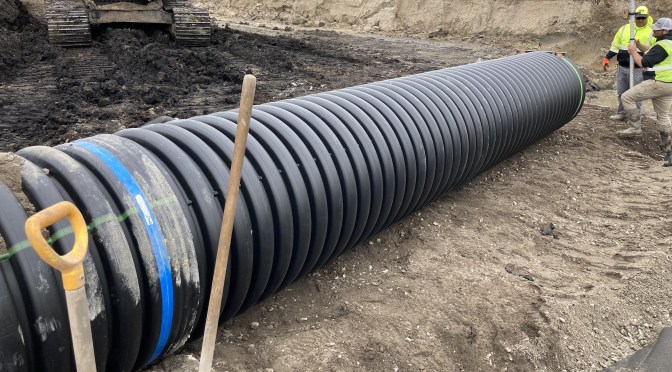
MnDOT currently requires corrugated high-density polyethylene (HDPE) pipes to be made with 100% virgin materials. However, recent changes to federal standards allow for the use of corrugated HDPE pipes manufactured with more sustainable postconsumer and postindustrial recycled content. This project examined and compared the performance of both types of corrugated pipes to determine the suitability of using HDPE pipes manufactured with recycled materials in Minnesota.

Continue reading Evaluation of Corrugated Pipes Manufactured with Recycled Materials

Utilizing Recycled Tires to Treat Stormwater

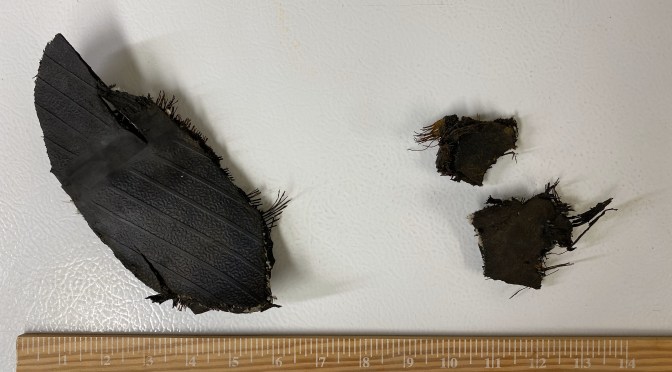
Repurposing old tires as tire-derived aggregate (TDA) is a stormwater management practice that could retain phosphate in underground treatment systems and prevent it from reaching the soil, surface waters and groundwater. However, chemicals from the TDA may leach into the soil and water sources. This project identifies the environmental impacts and cost-effectiveness of deploying TDA to manage stormwater in Minnesota cities and counties.

Continue reading Utilizing Recycled Tires to Treat Stormwater

Modeling and Predicting the Deterioration of Pedestrian Assets

Transportation agencies closely monitor and evaluate roads for needed repairs, but pedestrian infrastructure such as sidewalks receive less attention. When left in disrepair, this infrastructure is susceptible to deterioration and can have significant negative impacts on communities. This project collected and integrated pertinent data and developed a model that measured the deterioration of pedestrian assets to predict the effects of aging. With this additional information, agencies can better prioritize areas of need and allocate resources more effectively to maintain and repair pedestrian assets.

Continue reading Modeling and Predicting the Deterioration of Pedestrian Assets

Industrial by-products prove sustainable options for managing roadside stormwater

Reprinted from CTS News, March 25, 2025

Roadside soil plays a crucial role in stormwater management. Naturally vegetated roadsides can filter and control runoff, helping to keep pollutants out of bodies of water and minimizing flooding to communities. However, soil left behind from road construction does not adequately support filtration and plant growth unless it’s amended with organic matter—and traditional mixtures for doing so, such as with sand and compost, can be costly and resource-intensive. 

sample plots
Field plots adjacent to the Natural Resources Research Institute parking lot were used to test the infiltration capacity, pollutant removal, and vegetative support capabilities of the soil mixtures.

To find a more sustainable solution, U of M researchers partnered with MnDOT and the Minnesota Local Road Research Board. Building on previous research, a team led by CTS scholar David Saftner, principal investigator and associate professor in the UMD Department of Civil Engineering, tested sustainable roadside soil mixtures using locally available waste materials and by-products generated from forestry, agriculture, and industrial activities.

In this project, nine materials were selected for testing, including a peat/biochar mix; dredged river sediment; pine and ash sawdust; VersaLime (a by-product of sugar beet processing); lime mud, bottom ash, and degritter (from a pulp and paper mill); and recycled concrete aggregate (RCA). All nine materials proved efficient at removing pollutants, though some were more effective than others. After extensive laboratory testing, the five top-performing materials were selected and used to create three engineered soil blends:

  • RCA (80%) and ash sawdust (20%)
  • RCA (80%) and peat/biochar (20%)
  • Dredge sediment (80%) and degritter (20%)

Field testing of these three engineered soil blends took place in outdoor plots. The team studied infiltration rate, pollutant removal, and plant growth from grass and flower seed. Through a life-cycle assessment, the researchers also evaluated material collection and transport, energy demand, human health and ecosystem impacts, climate change, and water use.

Their research revealed that all three engineered soil blends were effective at capturing and filtering the first inch of excess stormwater runoff, offering a viable alternative to traditional soil mixes. Other key findings: 

  • Of the engineered soil mixes, organic and coarser materials were better at allowing water to pass through.
  • Greenhouse tests showed promising plant growth, while field plots experienced challenges—possibly due to seasonal dryness.
  • The dredge sediment and degritter soil mix had substantially higher impacts than the other two soil mixes as well as the most CO2 emissions.
  • The RCA and ash sawdust soil mix had the lowest impacts, with the RCA and peat/biochar soil mix producing similar results.

Based on their findings, a design guide was developed for road engineers outlining best practices for using local by-products and waste materials to create engineered soil mixes while still adhering to regulatory standards. These recommendations are designed to be standard, common, and repeatable. 

“This was a great project and I’m especially happy with the design guide,” Saftner says. “Determining how to implement new procedures is tougher than using tried-and-true methods. Our hope is that the guide will simplify things for practicing engineers looking for more cost-effective, sustainable, and locally sourced solutions.”

The study results also highlighted many of the benefits of engineered soil mixtures including the reuse of waste materials, reduced spending on sand and compost, lower transportation costs, and fewer environmental impacts of transporting material. 

Further research on the reuse of waste materials includes another multi-phased project incorporating biochar. The first phase of that project should be finished this summer, with the second phase kicking off in summer 2026.

—Krysta Rzeszutek, CTS digital editor

Related Resources

Reusing Local By-Products to Create Sustainable Roadside Soil 

Vegetated roadsides in Minnesota help control stormwater quantity and pollutant levels before the water reaches lakes, streams and communities. Because leftover soil from road construction generally does not support filtration and plant growth, MnDOT and local engineers have continued research to identify organically rich, locally available industrial by-products to amend the soil. Engineered soil mixes with materials such as dredge sand, coarse street sweepings and ash sawdust show high potential for providing a sustainable, efficient solution. 

Continue reading Reusing Local By-Products to Create Sustainable Roadside Soil