
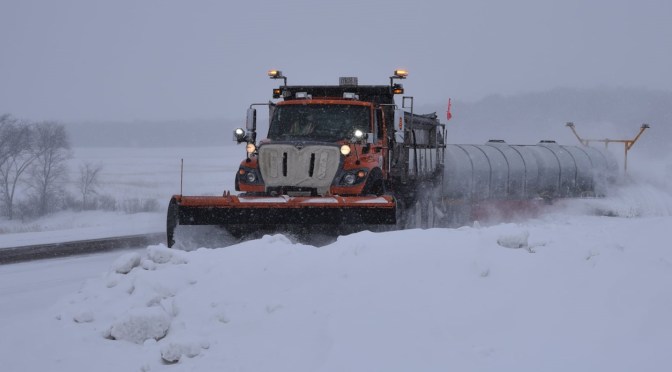
Snowplows use substantial amounts of fuel to keep Minnesota’s winter roads safe and accessible. Reducing the fuel consumed by MnDOT’s snowplows will help the agency meet its sustainability goals and lower operating costs. In a recent study, data collected from onboard vehicle technology showed the impacts of idling and snowfall on fuel efficiency to inform the management of the agency’s snowplow fleet.
Continue reading Advanced Data Analytics Inform Reduction of Snowplow Fuel UseAll posts by mndotresearch
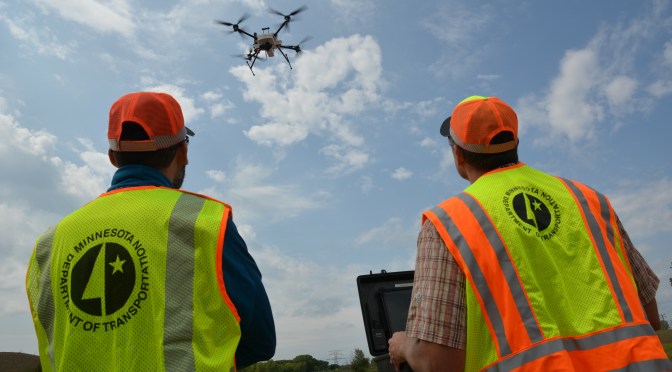
Evaluating and Communicating the Benefits of Transportation Research
Assessing the return on investment in transportation research is crucial to ensuring program goals are met, knowledge and technology are shared broadly, and future investigations are prioritized. A recent effort leveraged existing MnDOT and LRRB tools and processes to evaluate and communicate the value of innovation and research. A new benefit monitoring and communication framework, which can be tailored to individual projects, allows agencies to reassess a project and its benefits throughout the research life cycle.
Continue reading Evaluating and Communicating the Benefits of Transportation Research
Understanding the Transportation Experience of Underserved Communities
Systemic inequities exist in the transportation network as decisions and services have traditionally been based on a limited perspective of community needs. Understanding the range of public uses and preferences in a multicultural society to advance an equitable transportation system requires an exploration of the lived experiences of marginalized communities. This project identified common themes and unique needs of 10 distinct Minnesota communities to support MnDOT in advancing equity.
Continue reading Understanding the Transportation Experience of Underserved Communities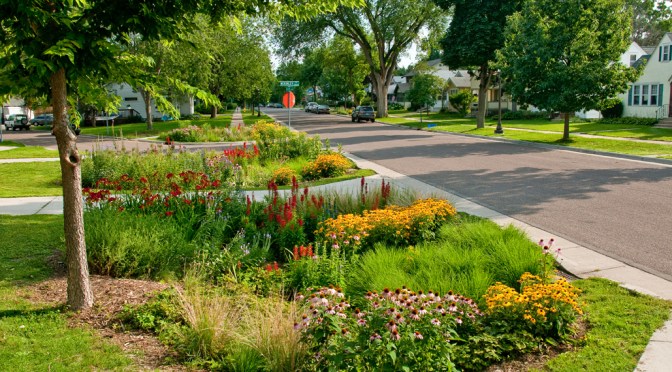
Assessing Urban Stormwater Infrastructure Capacity for Severe Storms
Managing stormwater is important to prevent flooding and associated safety risks; impacts to the environment; and damage to property, roads and bridges. As severe storms increase, MnDOT wants to ensure its stormwater diversion infrastructure can keep communities, roads and ecosystems safe from flooding. New research is helping the agency understand projected stormwater flows and identify cost-effective strategies and other adaptation considerations to manage stormwater.
Continue reading Assessing Urban Stormwater Infrastructure Capacity for Severe Storms
Optimizing Charging Infrastructure for Medium and Heavy-Duty Electric Trucks
While personal electric vehicles (EVs), electric buses and other transit options are becoming more commonplace, the market for larger electric trucks is still developing. Higher purchase prices, limited driving ranges and access to charging infrastructure all contribute to the delay in adopting larger electric trucks (e-trucks). New analyses suggest optimal locations for e-truck charging stations in Minnesota.
Continue reading Optimizing Charging Infrastructure for Medium and Heavy-Duty Electric Trucks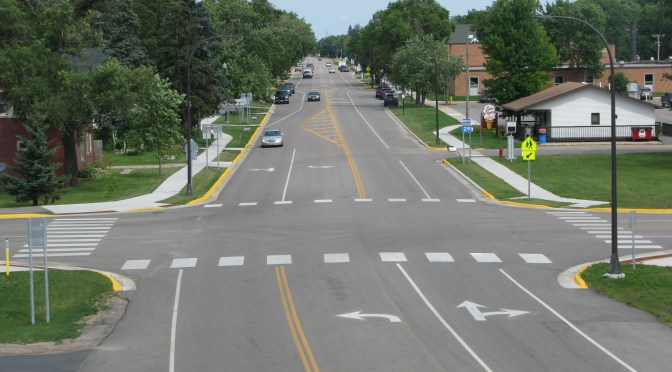
New Project: Complete Streets Speed Impacts
Minnesota Statutes §174.75 requires the MnDOT to follow a complete streets approach in all phases of planning, project development, operation, and maintenance activities. The purpose of the MnDOT complete streets policy “is to address the safety and accessibility needs of users of all ages and abilities. MnDOT assesses user needs at several stages of planning, project scoping and designing, construction, operation, and maintenance.”
Continue reading New Project: Complete Streets Speed Impacts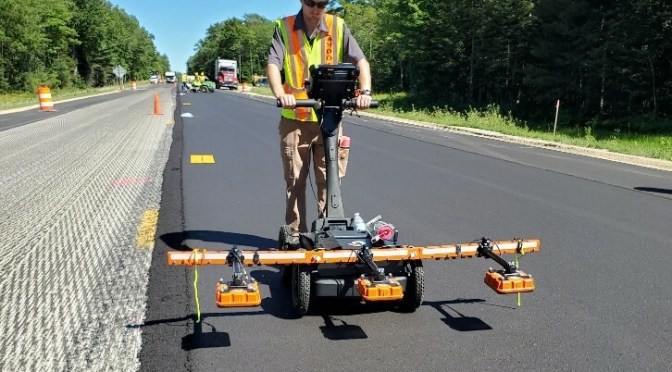
Measuring Pavement Density for Sustainable Centerline Joints
Longitudinal joints, created when lanes are paved sequentially, often need significant maintenance as the joints crack or deteriorate. While materials, construction methods and other factors may cause joint deterioration, insufficient pavement density is primarily responsible for weak joints, and measuring density has not traditionally been a widespread practice. New recommendations for joint construction and quick, nondestructive methods of measuring density during construction will support local agencies in laying longer-lasting pavement.
Continue reading Measuring Pavement Density for Sustainable Centerline Joints
Developing a Best Practices Manual for Roadway Drainage
Ineffective drainage can lead to expensive roadway damage and decrease a pavement’s service life. New guidance will help local agencies understand drainage issues unique to their areas and provide design considerations to mitigate pavement damage resulting from moisture.
Continue reading Developing a Best Practices Manual for Roadway Drainage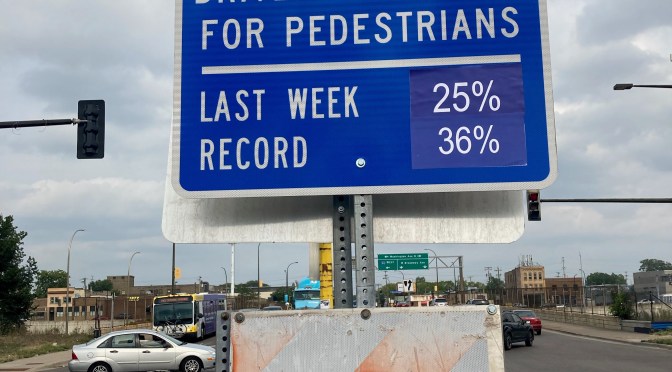
Improving Driver Yielding to Pedestrians at Intersections
Improving the rates of drivers yielding to pedestrians has been challenging despite crosswalk laws. Expanding on an earlier study, researchers further explored the effectiveness of engineering treatments at road crossings, giving agencies a deeper understanding of how to maximize pedestrian safety.
Continue reading Improving Driver Yielding to Pedestrians at Intersections
Impact of Urban Speed Limit Changes on Driving Speeds
Speed limits are a popular safety measure used in urban areas. A new analysis that monitored driving speeds before and after posted changes to speed limits reveals lower speed limits may not, at least initially, cause drivers to slow down.
Continue reading Impact of Urban Speed Limit Changes on Driving Speeds Crossroads