
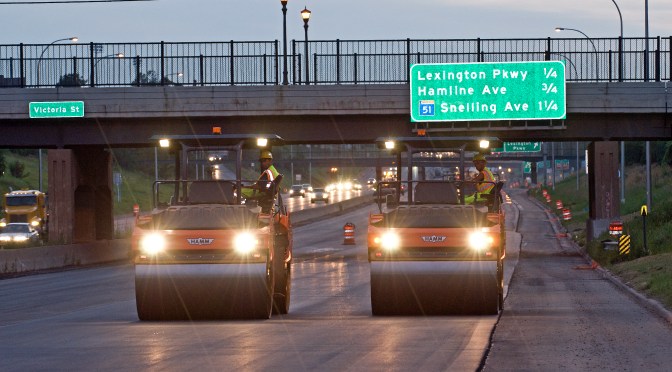
Maintaining Minnesota’s 14,000 miles of pavement is challenging, especially with the growth in traffic volume resulting in system needs that exceed available funding. New ways to characterize pavement conditions and methodologies to determine the optimal maintenance schedule for individual road segments will allow planners to optimize resources while providing the highest possible ride quality across the pavement network.
Continue reading Optimizing Pavement Network MaintenanceAll posts by mndotresearch

Making Freeway Travel Times in the Twin Cities Area More Reliable
Providing consistent freeway travel times for Twin Cities area drivers requires careful traffic management and well-planned freeway projects. To effectively respond to incidents and identify the most needed renovations, MnDOT traffic managers need to know precisely where, when and why congestion is happening.
Continue reading Making Freeway Travel Times in the Twin Cities Area More Reliable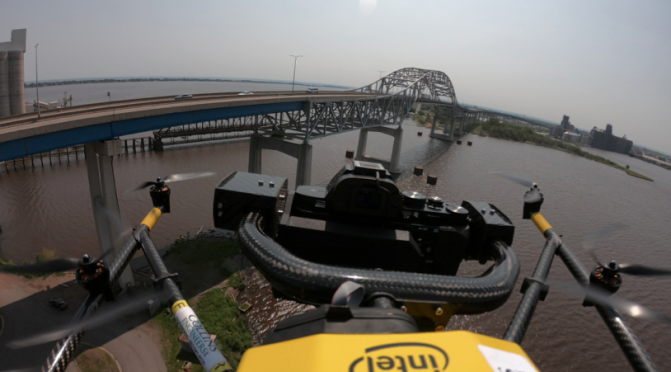
Drone Technology Enhances Bridge Inspections
Using drones to inspect bridges allows MnDOT to collect very high quality data while exposing fewer inspectors to far less risk and reducing inconvenience to the public. A new fleet of UAS will be used to conduct inspections statewide.
Continue reading Drone Technology Enhances Bridge Inspections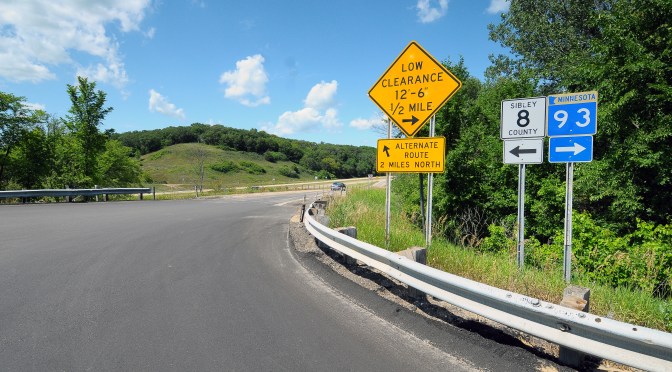
Putting Research Into Practice: Decision-Making Tools for Roadway Management
New guidance and a process framework will help local agency engineers with varying levels of expertise and resources benefit from the experiences of their peers. Using these tools, engineers can take manageable, proactive steps to prioritize investments that maintain and preserve transportation networks.
Continue reading Putting Research Into Practice: Decision-Making Tools for Roadway Management
New Technology and Existing Equipment Improve Statewide Vehicle Classification Counting Process
In a recent study, researchers leveraged previous MnDOT research and existing traffic monitoring infrastructure to refine inductive loop signature technology that counts and classifies vehicles. Positive results have given MnDOT a feasible and cost-effective way to collect vehicle classification data throughout the state for planning and decision-making.
Continue reading New Technology and Existing Equipment Improve Statewide Vehicle Classification Counting Process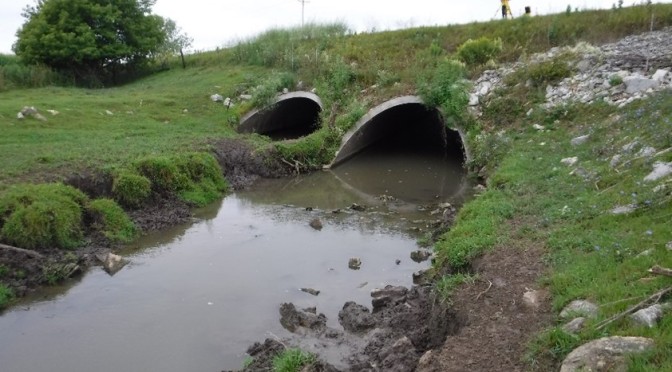
Assessing Culvert Designs for Aquatic Wildlife Capabilities and Future Resiliency
Culverts that influence the speed, depth or flow of a natural waterway can have a detrimental impact on fish populations. By assessing sites across the state, MnDOT sought to identify the effects the culverts have on aquatic wildlife currently and project what potential flooding and drought scenarios could mean in the future.
Continue reading Assessing Culvert Designs for Aquatic Wildlife Capabilities and Future Resiliency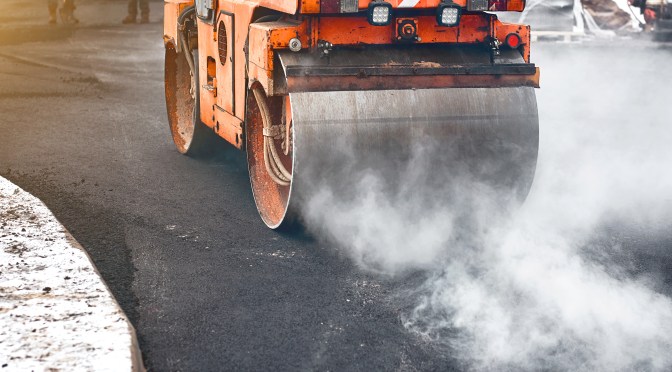
Quantifying the Benefits of Improved Compaction
Compaction is the final and most critical step in asphalt pavement construction. National research conducted several years ago indicated that a slightly more compact pavement than typical could help roads last longer. To understand the relationship between pavement density and long-term performance, MnDOT has built a database with performance data from samples collected soon after they were constructed more than a decade ago. The agency hopes to eventually have enough data to determine the right amount of compaction.
Continue reading Quantifying the Benefits of Improved Compaction
Quantifying the Effect of Geogrids in Asphalt Pavement Foundation Layers
Geogrid inserted between the layers of asphalt pavement during construction can increase the strength and durability of the finished road. To help engineers decide whether to use geogrids in road construction projects, researchers calculated just how much strength and durability geogrid material can add to an asphalt pavement and integrated the findings into MnDOT’s design software.
Continue reading Quantifying the Effect of Geogrids in Asphalt Pavement Foundation Layers
Innovative Materials and Technologies for Sustainable Pavement Infrastructure
In search of enhanced pavement damage detection practices, researchers investigated two innovative additives to asphalt binders: graphite nanoplatelets and taconite concentrates. They also examined the ability of microwave energy to restore subsurface cracking.
Continue reading Innovative Materials and Technologies for Sustainable Pavement Infrastructure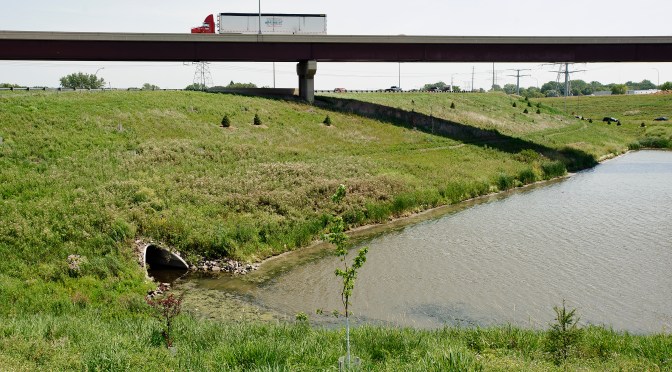
New Tools and Protocols for Successful Infiltration Facilities
Roadside infiltration facilities like wet ponds and swales have been used for more than 30 years to filter roadway contaminants from stormwater runoff, but they have a high rate of failure due to inaccurate determination of soil infiltration rates.
Continue reading New Tools and Protocols for Successful Infiltration Facilities Crossroads