
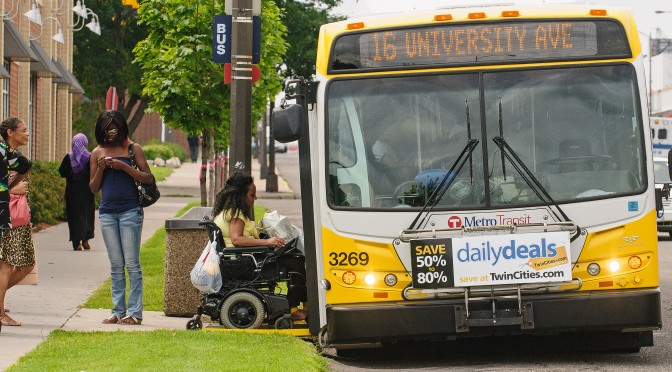
Historically, equity has not been a primary objective in the transportation infrastructure investment planning process. By effectively incorporating equity into the process, underserved communities and Native nations can realize increased benefits from transportation improvements. This research explored effective strategies for incorporating equity in transportation capital investment planning and provides guidance to transportation agencies, planning organizations and Native nations.
Continue reading Increasing Equity in Transportation InvestmentsTag Archives: equity
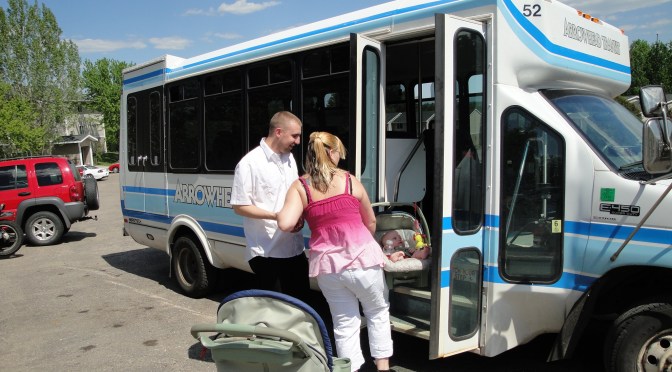
‘Transportation Insecurity’: A New Metric to Evaluate Programs and Guide Decision Making
Reprinted from CTS News, December 7, 2023
—Sophie Koch, contributing writer
Reliable transportation has a huge impact on quality of life. Many Americans, however, are unable to travel where and when they need to go, and policymakers lack tools to measure the extent of the problem.
Continue reading ‘Transportation Insecurity’: A New Metric to Evaluate Programs and Guide Decision Making
Maximizing Equity in Managed Lane Planning
Managed lanes provide transportation agencies with a strategy for reducing congestion and improving travel times along urban highways. A common perception is that the benefits of managed lanes are greater for higher-income people than for those with lower incomes, often from underrepresented communities. New research illustrates the diversity of managed lane users and provides new metrics and recommendations to factor equity into the highway project planning process.
Continue reading Maximizing Equity in Managed Lane Planning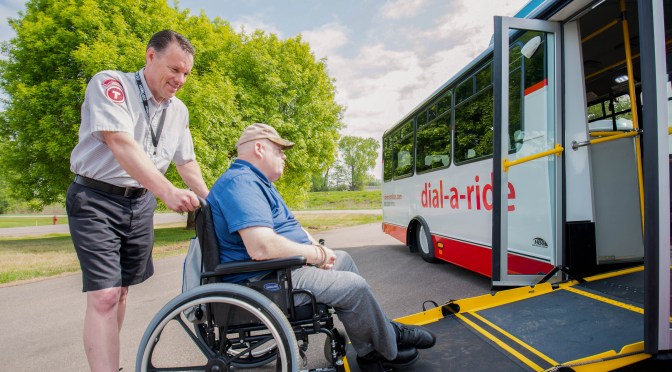
Evaluating Metrics and Performance to Advance Transportation Equity
Ensuring Minnesota’s transportation network does not create barriers or hardships for underserved or underrepresented communities is imperative. But knowing if the agency is planning and administering programs or projects equitably can be challenging to assess. New research suggests improved performance measures and strategies to support agency efforts to advance equity across the agency’s responsibilities.
Continue reading Evaluating Metrics and Performance to Advance Transportation Equity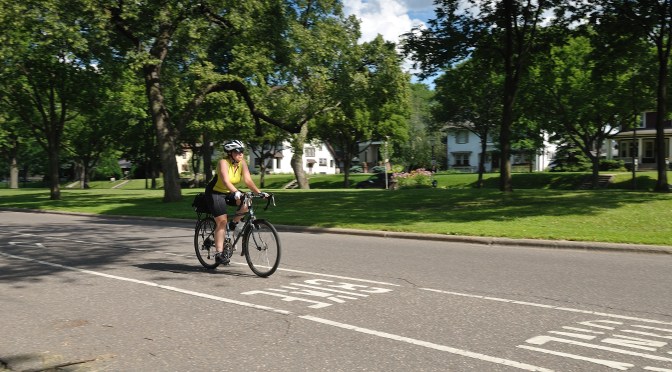
Uncovering Connections Between Gender and Transportation Safety
This post was originally posted on Catalyst, November 2022.
It’s no secret that the transportation system is an uneven playing field. Understanding disparities related to race, income, and other factors is critical, and much more work is needed. Gender in particular is an under-researched yet important aspect of the design of vehicles, infrastructure, and amenities.
Continue reading Uncovering Connections Between Gender and Transportation Safety
Diversity and Equity in the Freight Industry: A Moral—and Smart—Business Move
Diversity, equity, and inclusion (DEI) are becoming increasingly important factors in the modern workforce. Integrating DEI is not only a strong moral move that can set an organization apart from its peers but also a way to promote innovation, attract talent, and retain valuable employees in a tight labor market.
Continue reading Diversity and Equity in the Freight Industry: A Moral—and Smart—Business Move
New Project: Enhancing Managed Lane Equity Analysis
Managed lanes, like Minnesota’s E-ZPass express lanes, are designed to improve mobility and travel time reliability for transit users, carpoolers and other motorists during peak travel hours. The lanes provide many societal benefits such as increased transit ridership, higher vehicle occupancies, more reliable travel options, and reduced traffic congestion and pollution.
However, because the lanes use pricing to deliver these benefits, they must be designed, constructed and operated equitably. The key is striking a balance that’s fair for everyone.
Continue reading New Project: Enhancing Managed Lane Equity Analysis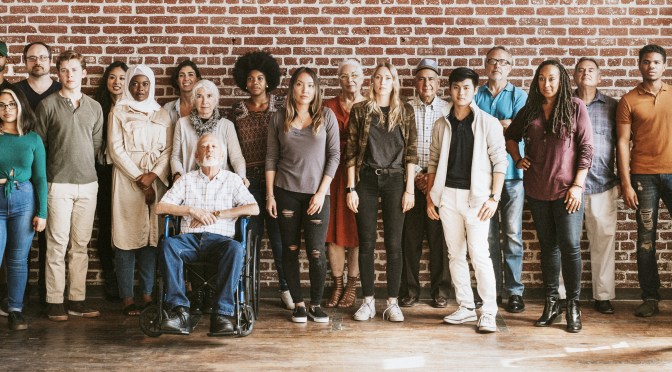
New Project: Improving Transportation Equity for All by Centering the Needs of Marginalized and Underserved Communities
Government policies often prioritize the needs of the dominant group or culture, resulting in systems and services that benefit some people more than others. To better address the transportation needs of underserved communities, transportation agencies must first understand people’s lived transportation experiences. Listening is a critical first step toward mitigating the effects of marginalization and discrimination in transportation.
Continue reading New Project: Improving Transportation Equity for All by Centering the Needs of Marginalized and Underserved Communities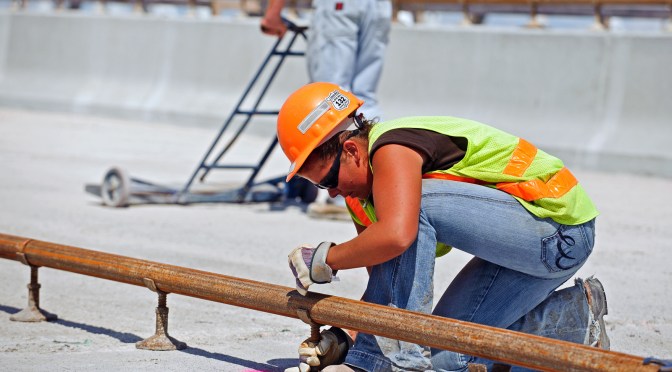
New Project: Understanding How the Disparate Effects of COVID-19 are Affecting MnDOT’s Efforts at Equitable Contracting
MnDOT’s Disadvantaged Business Enterprise (DBE) Program was established by the federal government to ensure women-owned and minority-owned businesses have the opportunity to participate in MnDOT contracts.
Several contracting barriers exist for DBEs, which may have been exacerbated by COVID-19, such as access to capital, a shortage of PPE materials and staffing shortfalls due to workplace risks and caregiving responsibilities.
Continue reading New Project: Understanding How the Disparate Effects of COVID-19 are Affecting MnDOT’s Efforts at Equitable Contracting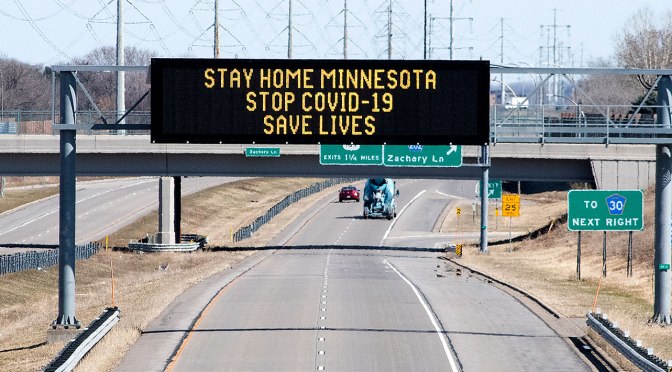
New Project: Public Engagement Practices During the COVID-19 Pandemic and Other Disruptive Events
Pandemics, social unrest and natural disasters can disrupt state efforts to reach the public about projects, priorities, policy issues and services. MnDOT and other agencies have turned to Skype, Zoom, Webex, Facebook Live and other tools to present proposals and receive public input with some success. Participation in public meetings that in the past would have drawn fewer than 10 attendees may now draw 80 online.
Continue reading New Project: Public Engagement Practices During the COVID-19 Pandemic and Other Disruptive Events Crossroads