This article was originally published in Catalyst, November 2021.
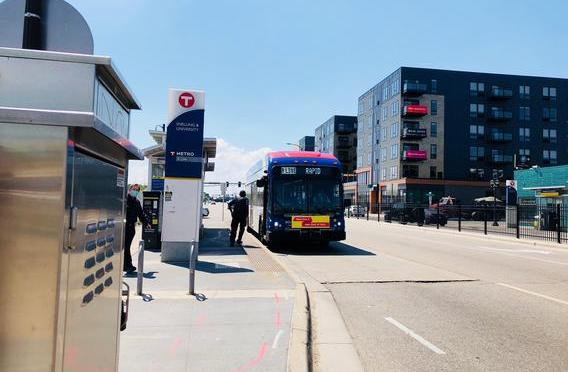
How does a transitway affect automobile traffic on nearby roadways? What factors influence which park-and-ride facilities people choose? These two questions were the focus of a recent two-part project by U of M researchers.
This article was originally published in Catalyst, November 2021.
As gyms and indoor health facilities closed during the beginning of the pandemic, people flocked to trails and parks, creating both opportunities and concerns for public health and land managers. The US Centers for Disease Control and Prevention (CDC) recommended a six-foot distance between people (even outdoors), but little was known about compliance with these recommendations.
This article was originally published in Catalyst, August 2021.
The transit needs of Carver County, Minnesota, are undergoing a shift driven by changes in population size and demographics. Student researchers from the U of M teamed up with county planners to identify and address these changing needs.
This article was originally published in Catalyst, August 2021.
As vehicles switch from gas-fueled to electric and revenues from the gas tax begin to decline, experts in the transportation industry are looking for alternative ways to fund roadways. Distance-based user fees (DBUFs) have been gaining political traction as a possibility.
This article was originally published in Catalyst, August 2021.
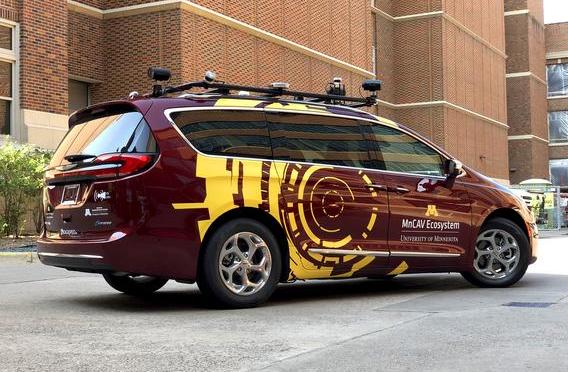
With the arrival of its fully outfitted autonomous vehicle in July, the University’s MnCAV Ecosystem is ready to facilitate research and testing of sensing technologies, vehicle control, platooning, traffic patterns, and other topics related to connected and autonomous vehicles (CAVs).
This article was originally published in Catalyst, May 2021.
Strategies for managing stormwater runoff have been steadily undergoing a shift in recent decades toward “green” infrastructure. This is a potentially beneficial change, but transportation professionals are beginning to recognize a need for better information on how to properly design, implement, and maintain these facilities.
This article was originally published in Catalyst, February 2021.
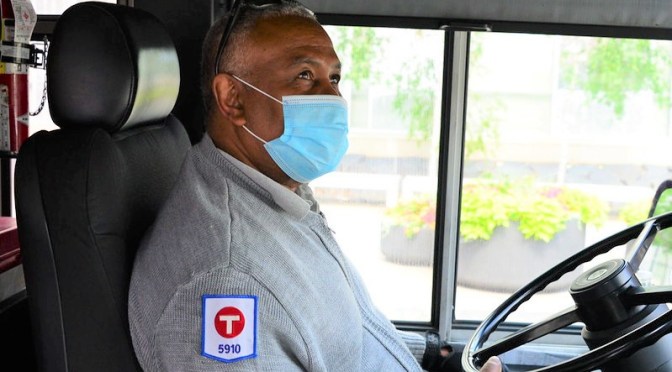
Solving real-world problems sometimes requires a very boots-on-the-ground approach. When Metro Transit began experiencing a bus driver shortage, researchers from the University of Minnesota (U of M) decided to do some first-hand observations of bus dispatcher life in order to develop a tool that could make scheduling easier.
This article was originally published in Catalyst, February 2021.
Among the attendees at the Center for Transportation Studies Freight and Logistics Symposium in December, 44 percent expected to add staff to their organization in 2021, according to a live poll conducted by keynote speaker Joe Mahon. Another 39 percent of respondents expected staffing to remain steady.
This article was originally published in Catalyst, February 2021.
When the coronavirus pandemic is brought under control, will people return to stores in pre-COVID numbers? Will telecommuters head back to the office, by car or by bus? The answer to these questions, and many others, will have a major impact on transportation and society.
This article was originally published in Catalyst, November 2020.
As momentum for connected and automated vehicles (CAVs) continues to build in Minnesota, researchers in the U’s Transportation Policy and Economic Competitiveness (TPEC) program are working to understand how CAV technology could serve transportation-disadvantaged communities. CAVs offer the potential to provide greater mobility and equity for many people, but public engagement is essential to ensure all user needs are understood and addressed.