Article originally published in Catalyst, February 6, 2023.
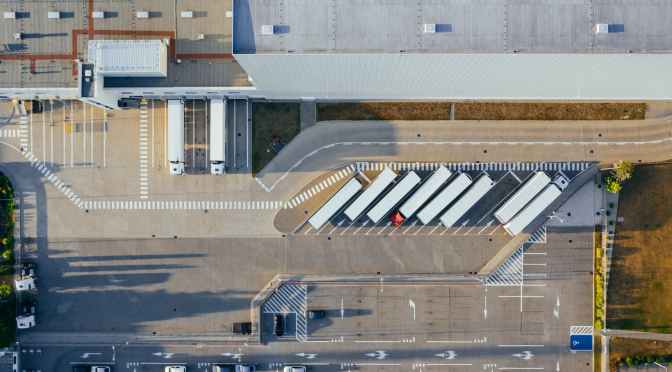
Supply chains aren’t normally at the top of the news, but pandemic-related disruptions and empty shelves have put them there. What does the future hold for freight and supply chain resilience? Speakers at the 25th Annual Freight and Logistics Symposium reviewed recent challenges and discussed how to make supply chains more cooperative, connected, and resilient.
Originally published inCatalyst, February 13, 2023.
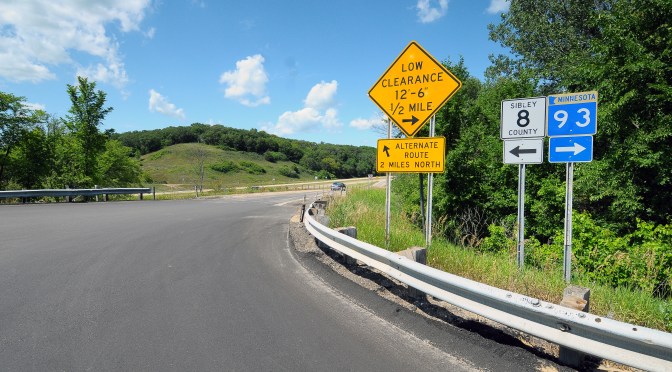
Public transit services are vital for community health and connectivity, yet the transit solutions found in urban areas—such as frequent bus service and light rail—don’t exist in rural areas. As a result, mobility may be limited in rural communities because of the high costs and low availability of affordable, reliable transportation options.
This article was originally posted on Catalyst, January 2023.
Transportation is the largest source of greenhouse gas emissions in both the US and the Twin Cities, and commuting trips are a major contributor to these emissions. To meet its emission-reduction mandates, Minnesota needs strategies to reduce auto trips—especially driver-only trips without passengers.
A recent U of M project aimed to leverage existing transportation infrastructure and systems to provide more flexible, multimodal transportation options for parking contract holders at Minneapolis’ ABC Ramps—thereby reducing the number of solo trips.
Complete Streets is a national initiative to encourage the design of safe, convenient transportation systems with access to users of all types, ages and abilities. MnDOT’s Complete Streets policy aims to provide a safe and functional transportation system for all users. Perceived and actual economic impacts of these road projects on small cities vary, but MnDOT has new strategies to work with local partners and evaluate economic benefits for smaller communities.
One of the best ways to connect with communities about projects and events that affect them is to reach them where they already are – on social media. But whether you’re a social media newbie or a communications professional, there are always new trends, technology, and platforms to learn, and it can be overwhelming.
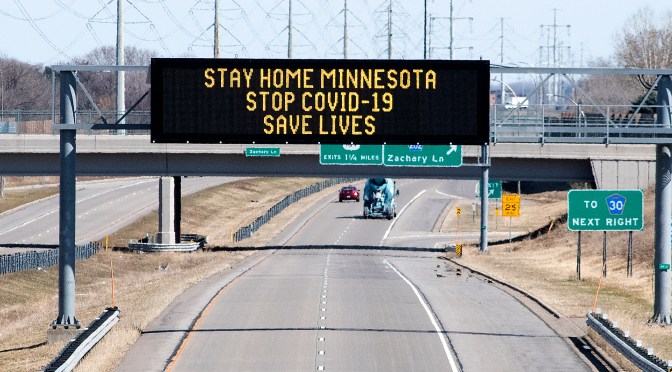
Work-at-home orders during the COVID-19 pandemic resulted in drastic reductions in traffic congestion. To aid in highway planning and also inform state telework policies, MnDOT wanted to learn about telecommuting during the pandemic and future forecasts of remote work from both employers and employees of private and public organizations.
This article was originally published in Catalyst, May 2022.
Transportation is a crucial contributor to health: It directly shapes the social and physical environments in myriad ways and determines the types of places where people can live, learn, work, and play in their everyday lives.
With the number of automated vehicles increasing on our roadways it is important to understand their potential impacts and how other road users will interact with them. In the future, there will be a more pronounced shared levels-of-automation transportation network, with fully manual, partially automated, and fully automated vehicles sharing the same Minnesota roads. While planners and engineers have a reasonable idea of how humans drive around other humans, what is not as well-known is human driving behavior around automated vehicles.
This article was originally published in Catalyst, February 2022.
Many Minnesotans have driven on I-35W through Minneapolis without giving any thought to how the freeway was built—or the impact it’s had on the community. Thanks to the work of several U of M researchers and Twin Cities residents, we now have the opportunity to learn just that.
New guidance and a process framework will help local agency engineers with varying levels of expertise and resources benefit from the experiences of their peers. Using these tools, engineers can take manageable, proactive steps to prioritize investments that maintain and preserve transportation networks.





 Crossroads