

An influx of electric trucks is expected on our highways, but where will they charge? Few public stations today can serve large freight vehicles. The challenge? Fast chargers are expensive, and new ones need to be placed strategically to keep pace with growing demand.
Continue reading Model Helps Identify Strategic Sites for Truck Charging StationsCategory Archives: Multi-modal
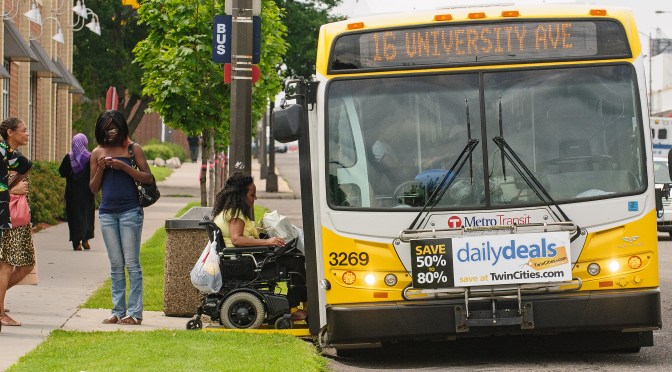
Personal Stories Illustrate Transportation Inequities in Minnesota
Transportation research is often about numbers. In a recent study, however, U of M researchers looked beyond the data to hear the transportation experiences of real people from underserved communities in Minnesota.
Continue reading Personal Stories Illustrate Transportation Inequities in Minnesota
Future of Mobility: Urban air mobility
June 26, 2023
What’s next in transportation?
The Future of Mobility series collects the perspectives of top U researchers and other national experts. In 17 articles, the authors scan the horizon and reflect on critical transportation topics. Each article recommends action steps for public officials and policymakers.
CTS is highlighting the articles over the course of the year. This month, we explore two aviation-related articles: Safety and Urban Air Mobility by Demoz Gebre-Egziabher and Advanced Air Mobility by Susan Shaheen and Adam Cohen.

Autonomous aircraft and drones that can move people and goods in new ways are coming to our cities, writes Gebre-Egziabher. Often referred to as urban air mobility (UAM), these new transportation concepts are the flying equivalent of the autonomous car—and they raise just as many important questions about safety, use, and operations. Local communities and agencies are stakeholders that must have a say in safety and provide clear guidance to those developing technologies for UAM, he says.
Shaheen and Cohen write that aviation is undergoing rapid change around the world. A variety of technological advancements and industry investments in electrification, alternative fuels, automation, vertical take-off and landing aircraft, uncrewed aircraft systems, and air traffic management are enabling innovations in aircraft designs, services, and business models. They recommend driving the industry forward with an emphasis on social and environmental benefits, including humanitarian, aeromedical, and emergency response.

Multimodal trip planner to make travel easier in Greater Minnesota, rural areas
Reprinted from Catalyst, May 9, 2023
When a person wants to take a trip across the country, they can choose from a variety of travel planning apps to help make that happen. But what if the trip they want to take is from Mankato to New Ulm, or within their own community, using non-personal transportation?
The Minnesota Department of Transportation has launched a pilot project to bring trip planning and payment technology for daily trips to areas less dense than urban settings.
Residents and visitors in southern and western Minnesota now have the ability to plan for and, in some cases, pay for public transit and intercity bus trips using the Transit app. Travel and route information for these agencies went live within Transit on March 1.

Transit, a free app available for download in Google Play or the Apple App Store, is used in more than 300 cities around the world. It allows users to see route and travel options for public transit and connecting services. Select agencies also have in-app ticketing, allowing riders to pay for fares electronically and then show their device to transit drivers to ride.
“This pilot with the Transit app focuses on rural areas because this technology has not yet been made available outside of Minnesota’s big cities,” says Elliott McFadden, MnDOT’s Greater Minnesota Shared Mobility Program coordinator. “The project will be the first to bring the latest technology to make it easier to plan and take trips in many communities in Greater Minnesota.”
The pilot will run through April 2024 and is funded by two innovation grants from the Federal Transit Administration at a cost of $1.9 million.
U of M researchers led by Alireza Khani will evaluate the project to help determine whether this technology should be scaled to the rest of the state. Focusing on southern Minnesota, the research team will work closely with MnDOT’s project management team and the platform development team to study these questions:
- How do residents of the region benefit from having access to a variety of mobility options through an integrated platform?
- To what extent does the platform help increase transit ridership and reduce personal vehicle use?
- How can the features of the platform—such as route planning or pricing—be optimized for greater system efficiency and benefits for all residents?
“Our goal is to provide the data and analysis policymakers need to make the most effective transit investments,” says Khani, an associate professor in the Department of Civil, Environmental, and Geo- Engineering.
(Adapted from a MnDOT press release, March 1, 2023.)
More Information
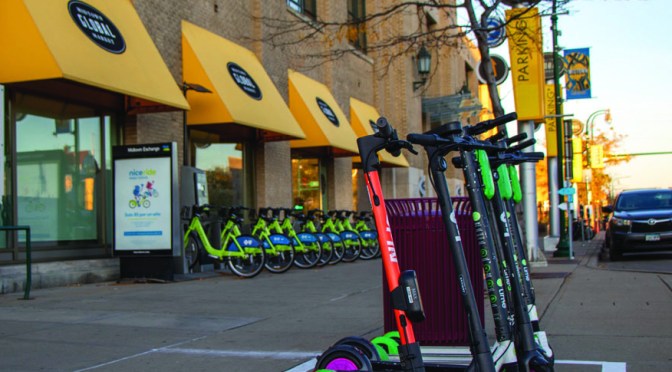
Understanding Transit and Shared Mobility Preferences in Greater Minnesota Post-COVID
Public transit and shared mobility use sharply decreased during the pandemic. To remain viable, transit agencies and other transportation services in Greater Minnesota need to recover customers. A recent project identified rider preferences, safety measures and service improvements to increase interest in and use of alternative transportation.
Continue reading Understanding Transit and Shared Mobility Preferences in Greater Minnesota Post-COVID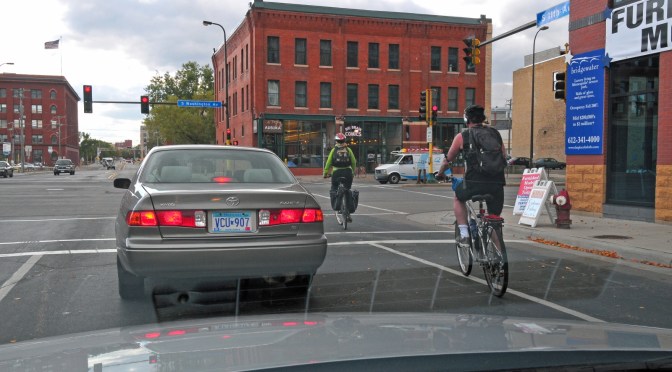
Short Films, Big Visions: Transportation-themed films spark conversation about community connections
April 4, 2023
Dozens of community members and transportation advocates tuned in to “Short Films, Big Visions: A Series on Transportation and Community” on February 23. Co-hosted by CTS and the Humphrey School of Public Affairs, the virtual event featured a screening of short films produced by the Redford Center for its “Community Power” series followed by an engaging panel discussion.
Continue reading Short Films, Big Visions: Transportation-themed films spark conversation about community connections
Surge pricing for rides influences customer evaluation of driver performance
April 13, 2023
Surge pricing in rideshare apps leads to more complaints from customers, which ultimately eats away at drivers’ incomes, according to new U of M research.
Continue reading Surge pricing for rides influences customer evaluation of driver performance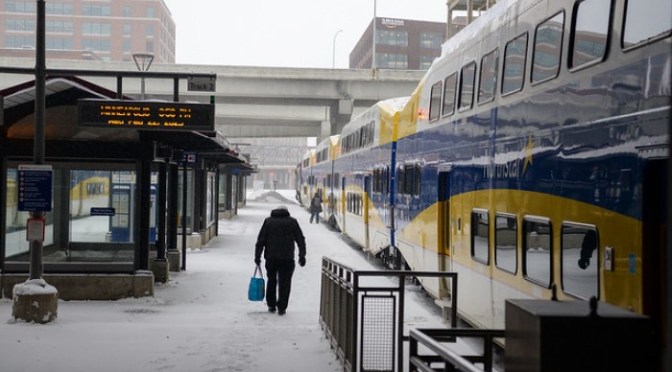
COVID’s Effects on Public Transportation Use and Perceptions
How has the pandemic affected downtown commuters’ travel behavior and perceptions of public transportation?
The COVID-19 pandemic has taken a major toll on public transit ridership—raising questions for the future. Will people associate public transportation with health and safety risks and avoid using it? Will they see public transportation as a less desirable transportation alternative?
Continue reading COVID’s Effects on Public Transportation Use and Perceptions
Commodity Flow Data for Freight Network Infrastructure Planning
Minnesota’s economy depends on efficient freight movement across the state. To ensure that infrastructure can accommodate cargo transport by all modes, MnDOT needs commodity flow data to plan improvements and minimize supply chain disruptions. An analysis of existing resources and needs will support new tools to optimize investments in freight transport.
Continue reading Commodity Flow Data for Freight Network Infrastructure Planning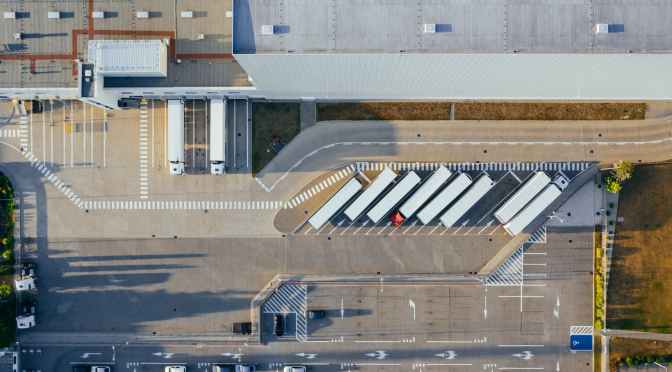
CTS Symposium Speakers Offered Ideas for Building Supply Chain Resilience
Article originally published in Catalyst, February 6, 2023.
Supply chains aren’t normally at the top of the news, but pandemic-related disruptions and empty shelves have put them there. What does the future hold for freight and supply chain resilience? Speakers at the 25th Annual Freight and Logistics Symposium reviewed recent challenges and discussed how to make supply chains more cooperative, connected, and resilient.
Continue reading CTS Symposium Speakers Offered Ideas for Building Supply Chain Resilience Crossroads