MnDOT construction projects require tons of hot mix asphalt each year, with over 188 road and bridge projects in the 2020 construction season alone.
Historically, plant mixed asphalt has been weighed, tracked and paid for with computer-generated paper tickets. Paper ticketing isn’t an ideal process for a variety of reasons—on-site ticket collection poses safety risks, tickets can be easily lost, and data must be tabulated manually, just to name a few.
A new resource is available to help agencies greatly reduce the risk of disturbing potentially acid-generating (PAG) rock in places like northern Minnesota when conducting road projects. When exposed to air and water, PAG minerals can generate drainage that is hazardous to the environment. A MnDOT-sponsored research team developed a best practices manual that provides comprehensive steps to identify, mitigate and monitor PAG material during highway construction.
The Minnesota Local Road Research Board has developed a new gravel road management tool — a simple, customizable spreadsheet for inventorying a gravel road system, tracking maintenance activity and expenditures, and budgeting and planning future needs.
A related user guide provides details about required inputs, gravel road evaluation protocols, and customization based on needs and available data.
Researchers have refined an innovative, quick pothole repair method for both concrete and asphalt pavements without using asphalt or cement materials. Based on taconite, a plentiful Minnesota material, the repair mixture can be applied fairly quickly and shows promise as a cost-competitive, long-term solution for potholes.
Researchers examined the practice of reducing the binder content of cold in-place asphalt recycling mixtures in the field on especially hot days to improve workability. Laboratory testing of mixtures at various temperatures and binder levels found the practice keeps mixtures workable, improves compaction and does not significantly diminish performance.
Researchers developed sophisticated models for high-density asphalt pavement mixtures. After calibrating the model to experimental data available from 5 percent air void asphalt mixtures, the research team conducted tests on three Minnesota mixtures to further refine the model. A Phase II study will develop multiple high-density mix designs for Minnesota applications.
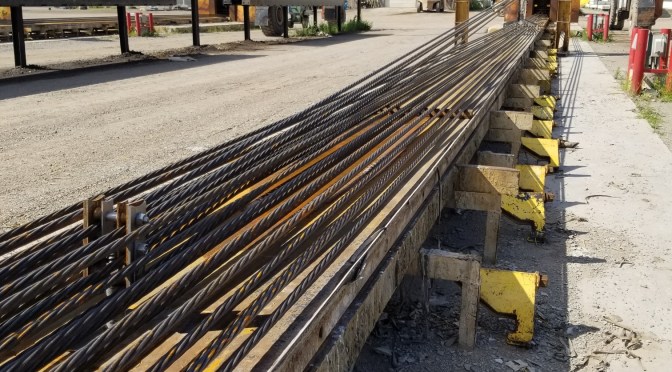
A new MnDOT-funded research study has found that most agencies in states with weather similar to Minnesota’s use debonded strands in prestressed concrete bridge beams. MnDOT may begin piloting debonding as an alternative to draping, which manufacturers claim is time-consuming, challenging to worker safety and expensive.
Researchers ran a sophisticated low-temperature asphalt cracking performance test at multiple labs to study the test, its variability and repeatability, and its additional promise in studying reflective cracking susceptibility of overlays. Results put MnDOT closer to implementing test specifications for low-temperature cracking test for pavement mixes.
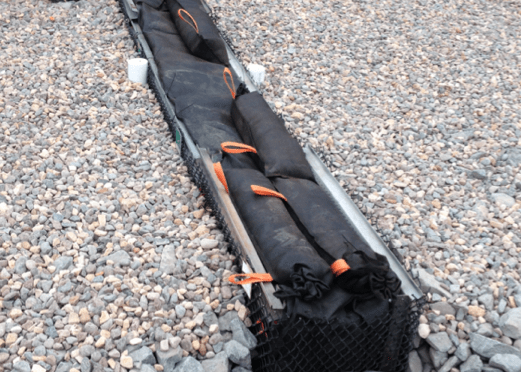
Researchers documented
performance of an iron-enhanced ditch check filter to remove phosphorus from
stormwater over three years. The filter was effective, but its performance
decreased over time, and it will require relatively frequent maintenance. Several
design changes may be considered.
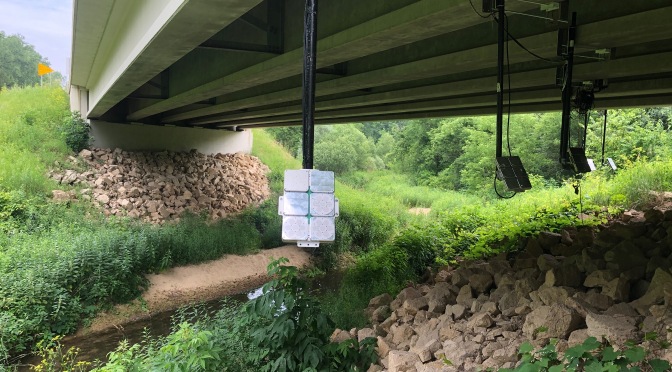
MnDOT has funded a study to evaluate the use of non-lethal ultrasonic acoustic devices to temporarily deter bats from bridges before and during construction projects.



 Crossroads