
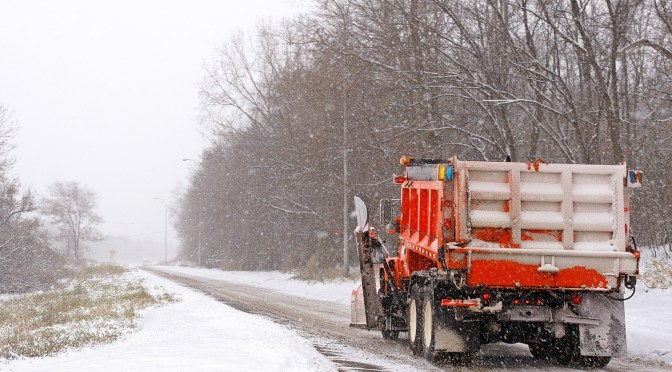
MnDOT uses alternative deicer brines containing potassium chloride, magnesium chloride and calcium chloride for winter road maintenance. The alternatives are more effective in melting roadway ice than sodium chloride alone when temperatures are below 15 degrees Fahrenheit.
Continue reading New Project: Alternative Deicer Performance Characterization: Know Before the SnowCategory Archives: Maintenance Operations
Best Practices for Protecting Equipment from Chemical Deicer Corrosion
Reprinted from Clear Roads News, October 2, 2024
In 2015, Clear Roads project 13-04 published a Manual of Best Practices to compile the various products agencies use as well as guidance for preventing corrosion on highway maintenance equipment.
Continue reading Best Practices for Protecting Equipment from Chemical Deicer Corrosion
Clear Roads Featured at National Briefing
September 4, 2024
Reprinted from Clear Roads News
Last month, AASHTO’s Winter Weather Management Technical Services Program, Maintenance Committee and Maintenance Operations Technical Working Group jointly held its 5th National Briefing on Winter Maintenance and Road Weather to showcase the activities of the various organizations dedicated to winter and year-round transportation maintenance.
Continue reading Clear Roads Featured at National Briefing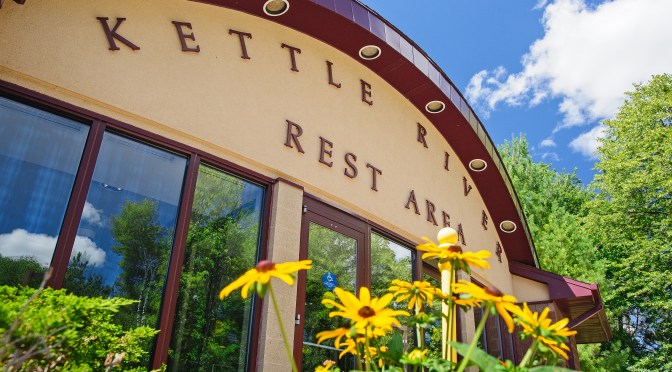
New Project: Cost Benefit Analysis for Sustainable Energy Building Upgrades at Safety Rest Areas and Travel Information Centers
MnDOT manages over 50 large safety rest areas (SRAs) with several amenities and travel information centers (TICs) with expanded customer service. Many of the SRA and TIC buildings were built before the significant advancements in energy efficiency and building technology made in the past few decades.
Continue reading New Project: Cost Benefit Analysis for Sustainable Energy Building Upgrades at Safety Rest Areas and Travel Information Centers
Using AVL/GPS Telematics to Optimize Snowplowing
Republished from MnLTAP News, February 2, 2022.
Automatic vehicle location (AVL) systems using GPS are creating opportunities for local agencies to improve their operations even in real time. A five-page guide and a video from the LRRB highlight the features and benefits of such systems for snowplowing.
Continue reading Using AVL/GPS Telematics to Optimize Snowplowing
Clear Roads Selects 2024 Research Projects
At its 2024 spring meeting, the Clear Roads Technical Advisory Committee reviewed new research proposals and selected projects to fund.
Continue reading Clear Roads Selects 2024 Research Projects
Applying for Grants: Use Data to Tell Your Community’s Story to USDOT
Research done here at Minnesota and elsewhere has done much to define the problems of local communities with missing or declining infrastructure. USDOT offers federal assistance to build and improve that infrastructure, but the grants have to be won.
Continue reading Applying for Grants: Use Data to Tell Your Community’s Story to USDOT
New Clear Roads Research: Tools to Maximize Snowplowing Efforts
Reprinted from Clear Roads News, July 3, 2024.
By better understanding the time it takes a snowplow to complete one round of snow clearing and treatment of its assigned route, agencies can better adjust routes and cost-effectively allocate resources for the specific needs of a given service area.
This Clear Roads project developed a methodology for calculating plow cycle times considering road type, road width, weather conditions, traffic volume, and other factors. By using the framework for a map-based visualization tool developed as part of this project, agencies can use their own data to make real-time operational decisions.
Download the final report and two-page brief: Calculating Plow Cycle Times from AVL Data, June 2024.

New Clear Roads Research: Identifying Environmentally Sensitive Roadways
Chlorides are effective deicers but using them can have environmental consequences.
A variety of factors, such as soil type, drainage, nearby waterways, and land use, can influence a roadside’s sensitivity to chlorides. By adjusting application rates or employing other strategies, agencies can lessen the harmful effects in locations where it’s needed most.
To help agencies identify which highway segments are most sensitive, this Clear Roads project developed a geospatial tool that offers an analysis of environmental impacts that can be balanced against other safety and performance objectives.
Download the GIS tool, final report and two-page brief: Using GIS to Highlight Highway Segments Sensitive to Deicing Materials, June 2024.
Reprinted from Clear Roads Latest News, June 26, 2024
OPERA project: Benefits and limitations of liquid-treated sand
Reprinted from MnLTAP News May 30, 2024
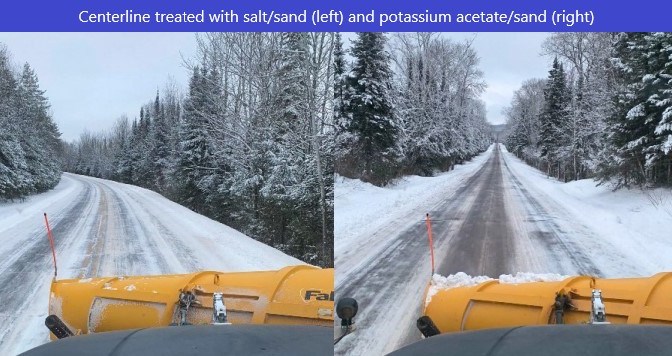
The Cook County Highway Department has been on a mission to combat chloride pollution infiltrating Minnesota’s pristine wilderness. To that end, the department has set a goal for chloride-free winter maintenance, starting from annual road salt use that averages 300 tons. Staff experimented with liquid-treated sand to reduce the use of granular road salt while maintaining road safety.
Continue reading OPERA project: Benefits and limitations of liquid-treated sand Crossroads