
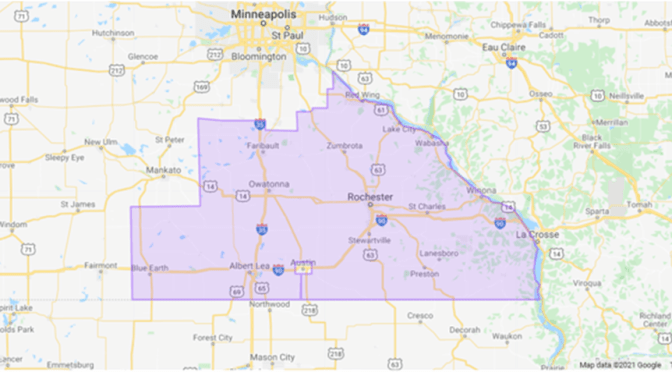
Meeting transit needs in rural communities can be challenging. A new pilot study demonstrated the benefits of using mobile technologies and existing assets to enhance transit services and improve local economies.
Continue reading Alternative Transit Approaches for Rural CommunitiesAll posts by mndotresearch
Impacts of Lane Conversions on Level of Service
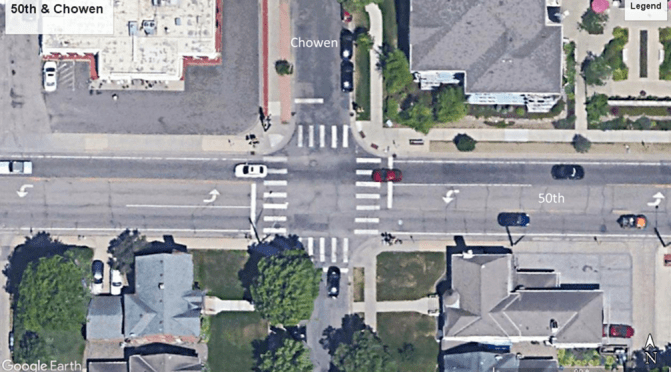
Reconfiguring roadways, also referred to as a “road diet,ˮ can be a low-cost safety solution that makes space for different travel modes in addition to motor vehicle traffic. New guidance gives local engineers an initial indication of whether a road conversion would result in a loss of capacity given the roadway motor vehicle traffic demand.
Continue reading Impacts of Lane Conversions on Level of Service
Impacts of Autonomous Vehicles on Operation and Maintenance of Minnesota Roads
As autonomous vehicle technology evolves, transportation agencies want to understand how road maintenance and traffic operations may also need to evolve. New research begins to identify potential needs and further questions for winter road maintenance, work zones and traffic flow.
Continue reading Impacts of Autonomous Vehicles on Operation and Maintenance of Minnesota Roads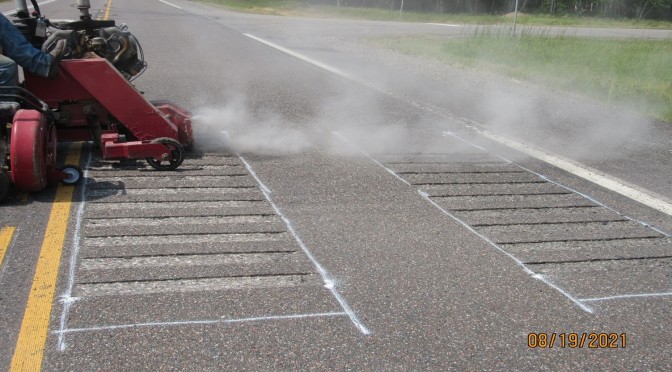
Using Rumble Strips to Encourage Stops at Rural Intersections
Vehicle crashes in rural areas often happen at intersections. Transverse rumble strips placed before a stop sign can be an effective safety measure that warns drivers approaching an intersection. Recent research has provided an increased understanding of the most effective rumble strip designs and noise characteristics to help county traffic engineers decide when and where to deploy the strips.
Continue reading Using Rumble Strips to Encourage Stops at Rural Intersections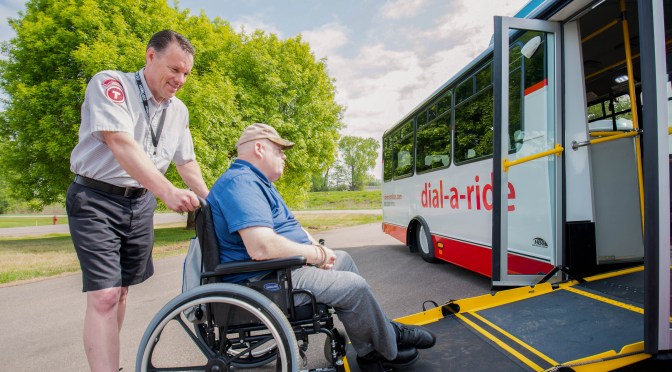
Evaluating Metrics and Performance to Advance Transportation Equity
Ensuring Minnesota’s transportation network does not create barriers or hardships for underserved or underrepresented communities is imperative. But knowing if the agency is planning and administering programs or projects equitably can be challenging to assess. New research suggests improved performance measures and strategies to support agency efforts to advance equity across the agency’s responsibilities.
Continue reading Evaluating Metrics and Performance to Advance Transportation Equity
Evaluating MnDOT’s Turfgrass Seed Variety List and Approval Process
As climate conditions change and seed development processes advance, some grass varieties may perform better than others. New research will allow MnDOT to update its approved turfgrass list and ensure it remains up to date with the most effective varieties.
Continue reading Evaluating MnDOT’s Turfgrass Seed Variety List and Approval Process
Comparing the Cost-Effectiveness of Asphalt Binders for Local Roads
Asphalt pavements with polymer-modified binders (PMBs) perform better than pavements with unmodified asphalt binders. While pavements with PMBs may cost more initially, performance is improved in the long run. In a recent study, researchers compared the performance and life cycle costs of modified and unmodified binders and found that modified binders are more cost-effective, even for local low-volume roads.
Continue reading Comparing the Cost-Effectiveness of Asphalt Binders for Local Roads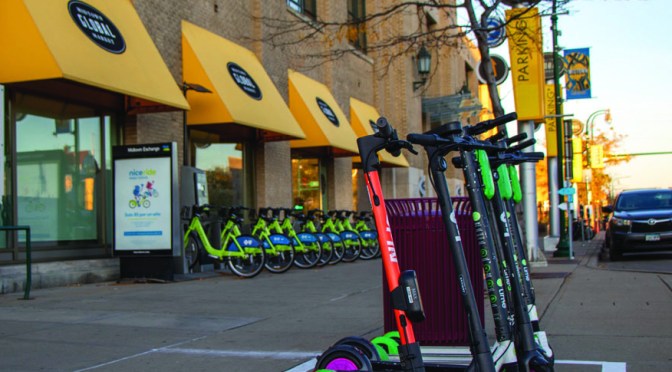
Understanding Transit and Shared Mobility Preferences in Greater Minnesota Post-COVID
Public transit and shared mobility use sharply decreased during the pandemic. To remain viable, transit agencies and other transportation services in Greater Minnesota need to recover customers. A recent project identified rider preferences, safety measures and service improvements to increase interest in and use of alternative transportation.
Continue reading Understanding Transit and Shared Mobility Preferences in Greater Minnesota Post-COVID
The Role of Gender and Identity in Travel Behavior
Ensuring the transportation system is accessible and welcoming to all demographics requires understanding how different genders interact with the transportation system. Insight gained from a new project into the impacts of gender and other identities on travel needs, challenges and experiences will aid MnDOT in advancing transportation equity.
Continue reading The Role of Gender and Identity in Travel Behavior
Assessment of GFRP-Reinforced Bridge Deck Performance
A nonmetallic alternative to the steel rebars that reinforce concrete bridge decks has the potential to be longer lasting and more cost-effective in keeping bridges maintained in Minnesota’s harsh climate. Initial studies show that the performance of bridge decks built with glass fiber-reinforced polymer (GFRP) is comparable to—if not better than—conventionally built decks.
Continue reading Assessment of GFRP-Reinforced Bridge Deck Performance Crossroads