All posts by Lea Burdette

Publishing and Technology Coordinator | MnDOT Office of Research & Innovation

PFAS “Forever Chemicals” Can be Reduced in Highway Construction and Maintenance Projects

Taken from TRB Weekly – June 25, 2024

Per- and polyfluoroalkyl substances (PFAS) are a class of more than 6,000 contaminants of emerging concern that can harm both ecosystems and human health. These anthropogenic compounds contain carbon–fluorine bonds that make them stable and persistent in the environment, earning them the nickname “forever chemicals.”

Continue reading PFAS “Forever Chemicals” Can be Reduced in Highway Construction and Maintenance Projects

Development of Mix Designs and Matrix of Materials for MnROAD Low Carbon Concrete Test Site

To address climate change mitigation goals, highway agencies are seeking alternative concrete paving mixtures that have a reduced embodied carbon content (ECC).

The research team first focused on developing a matrix of reduced ECC concrete mixtures to be tested at MnROAD. The 16 concrete mixtures selected for inclusion in the test matrix met minimum engineering requirements to ensure constructability and performance and were approved by MnDOT.

Between July 27 and August 9, 2023, 16 test cells were constructed at the MnROAD I-94 facility to evaluate reduced ECC concrete paving mixtures. The purpose of constructing these cells was to assess the in-service performance, environmental impact, and constructability of various alternative supplementary cementitious materials (ASCMs) that may reduce the embodied carbon content of concrete, while providing an opportunity to assess test results and in-service performance in coming years.

A preliminary environmental assessment showed that most mixtures were expected to have either a similar or lower ECC compared to the control mixture representative of typical MnDOT paving-grade concrete. Quality assurance testing conducted on field-cast specimens revealed generally acceptable results; most of the materials had similar performance compared to the control mixture, but the cells will continue to be monitored.

Will Hydrogen Be a Carbon-Neutral Fuel Alternative for Freight?

Reprinted from CTS News, March 19, 2024
—Sophie Koch, contributing writer

Hydrogen is getting a lot of attention in recent years as a potential fuel source in the transportation sector. However, it is important to consider the pros, cons, and limitations of this molecule when deciding how to use it.

Continue reading Will Hydrogen Be a Carbon-Neutral Fuel Alternative for Freight?

Managing Stormwater in a Changing Climate Will Require Updates to Minnesota’s Infrastructure

Reprinted from CTS News, March 21, 2024
—Sophie Koch, contributing writer

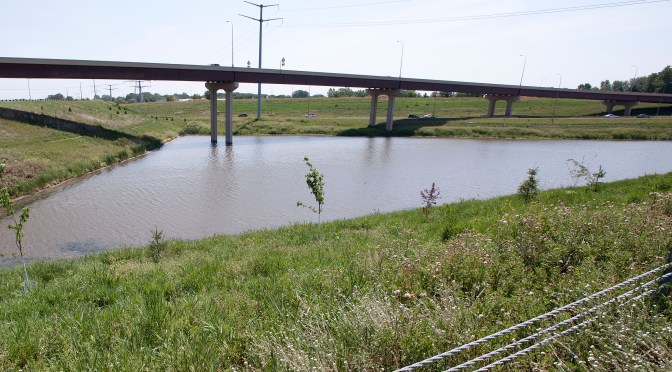
Changing precipitation patterns caused by the onset of climate change mean that Minnesota’s stormwater management systems—the ponds, pipes, and other structures meant to control runoff in the event of a heavy rainstorm—are going to need an upgrade. 

Continue reading Managing Stormwater in a Changing Climate Will Require Updates to Minnesota’s Infrastructure

Measuring the Livability Framework

MnDOT’s Office of Livability developed the Livability Framework to help guide planning, programming, and project development processes. It is being piloted in MnDOT Metro District.  The outcomes should result in more people focused outcomes for the plans, programs and projects in the District. The Livability Initiative wants each of the Livability Pillars of the Livability Framework to be thoroughly considered and evaluated when planners, project managers, and others make decisions about transportation policies, programs, and/or projects.

Continue reading Measuring the Livability Framework

Clear Roads Annual Survey of State Winter Maintenance Data

Clear Roads has published the results of their ninth Annual Survey of State Winter Maintenance Data, which compiles winter resources, material and cost data from 41 states for the 2022-2023 winter season. The spreadsheet includes all submitted data, as well as calculated statistics, winter severity index data, and a United States map that displays many of these metrics. The spreadsheet also includes data from the previous seven surveys (winters 2014-2015 through 2021-2022) and displays averages and changes across winter periods.

Stormwater Research Sees Practical Application in Twin Cities Metro, St. Cloud

Sophie Koch, CTS News, February 22, 2024

A long-running series of U of M research projects aimed at improving stormwater quality are beginning to see practical application by stormwater specialists from the Twin Cities metro area and beyond.

Continue reading Stormwater Research Sees Practical Application in Twin Cities Metro, St. Cloud