

In dense urban areas, public transit is a primary mode of transportation for people to commute to work, complete errands and connect with their community. If transit is not reliable, riders may choose other forms of transportation that could negatively affect riders, transportation agencies and communities. To improve service reliability, MnDOT investigated the use of dedicated rights of way (ROWs) for transit service across route segments within the system.
Continue reading Increasing Service Reliability by Adding a Dedicated Right of Way for BusesTag Archives: Public Transit

Enhancing Public Transit with Autonomous Mobility Service to Cover the “Last Mile”
The benefits of public transportation, including reducing individual vehicle use and traffic congestion, aren’t always optimized beyond densely populated urban settings. While transit may extend to more suburban or rural areas, land development patterns can make it challenging for people to reach their destinations by transit alone. Pairing transit with an autonomous mobility service is a potential solution. Researchers assessed transportation needs in a suburban shopping area and developed a system designed to deliver passengers from the end of a transit line to their ultimate destination. Simulations of the autonomous mobility service revealed its potential to increase transit efficiency and reduce individual vehicle use.
Continue reading Enhancing Public Transit with Autonomous Mobility Service to Cover the “Last Mile”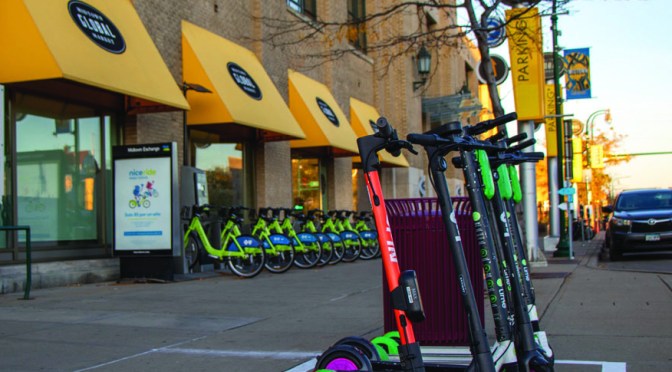
Understanding Transit and Shared Mobility Preferences in Greater Minnesota Post-COVID
Public transit and shared mobility use sharply decreased during the pandemic. To remain viable, transit agencies and other transportation services in Greater Minnesota need to recover customers. A recent project identified rider preferences, safety measures and service improvements to increase interest in and use of alternative transportation.
Continue reading Understanding Transit and Shared Mobility Preferences in Greater Minnesota Post-COVID
The Role of Gender and Identity in Travel Behavior
Ensuring the transportation system is accessible and welcoming to all demographics requires understanding how different genders interact with the transportation system. Insight gained from a new project into the impacts of gender and other identities on travel needs, challenges and experiences will aid MnDOT in advancing transportation equity.
Continue reading The Role of Gender and Identity in Travel Behavior
Urban Rapid Transit Reduces Traffic on Nearby Roads
Light rail transit and bus rapid transit in the Twin Cities provide urban residents with fast, safe and reliable transportation. These transitways have the potential to attract more riders and further reduce automobile traffic, relieving the growth of congestion on nearby roads as people decide to be transitway passengers rather than motorists.
Continue reading Urban Rapid Transit Reduces Traffic on Nearby Roads
New Project: Assessing the Economic Effects of Context Sensitive Main Street Highways in Small Cities
Complete Streets is a transportation policy and design approach that requires streets to be planned, designed, operated, and maintained to enable safe, convenient, and comfortable travel and access for users of all ages and abilities regardless of their mode of transportation.
Continue reading New Project: Assessing the Economic Effects of Context Sensitive Main Street Highways in Small Cities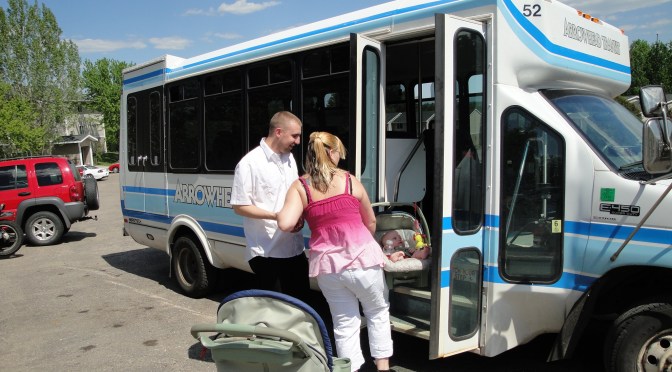
Study: Public Transit Benefits Exceed Costs in Rural and Small Urban Areas
The benefits of Minnesota’s rural and small urban transit systems exceed the costs of services, according to a study sponsored by the Minnesota Department of Transportation (MnDOT). For every dollar spent to provide transit services in Greater Minnesota, benefits worth $2.51 are shared throughout the communities, according to the “Measuring the Economic Benefits of Rural and Small Urban Transit Services in Greater Minnesota” report.
Continue reading Study: Public Transit Benefits Exceed Costs in Rural and Small Urban Areas Crossroads