
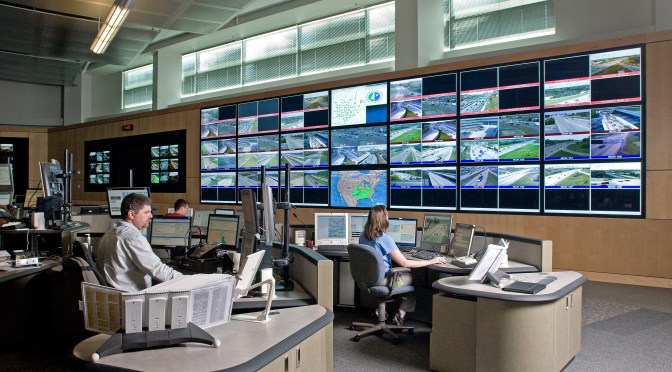
Transportation agencies are facing rapid technological change—from artificial intelligence and machine learning to connected and automated vehicles, data governance, cybersecurity, advanced communications, and emerging analytical tools. These technologies are transforming how transportation systems are planned, operated, and maintained, while simultaneously reshaping workforce needs. This guide from the National Cooperative Highway Research Program offers practical strategies and resources to recruit, develop, and retain a workforce capable of adopting and leveraging emerging technologies.
Industry Challenges
As new technologies proliferate, agencies struggle with a number of overlapping challenges.
- Outdated organizational structures and siloed departments
- Skill gaps in advanced technical areas
- Difficulty competing with private-sector salaries
- Limited awareness of transportation tech careers among students
- Pipeline shortages due to retirements and evolving skill demands
The guide categorizes these challenges into three core areas: Institutional Agility, Staffing Adaptability, and Workforce Pipeline.
1. Institutional Agility
Agencies must evolve organizational flexibility to integrate new technologies into their existing practices. There are a number of steps they can take to help with this.
- Build multidisciplinary teams to break down silos and improve collaboration across planning, operations, IT, and field staff.
- Modernize organizational structures and culture, including job rotations, co-location, communities of practice, refreshed licensure requirements, and skills-based management.
- Develop business cases for new positions, such as data analysts, AI specialists, cybersecurity roles, and system engineers.
- Enhance benefits packages beyond salary—highlight flexibility, professional development, hybrid schedules, innovation opportunities, and mentorship.
2. Staffing Adaptability
While the agency must modernize its processes, it must also provide a way for staff to develop the required skills to navigate new requirements. Should they hire, contract, or provide development channels for existing staff? The report has some suggestions.
- Identify and formalize emerging positions across traffic operations, data analysis, IT/OT, hardware maintenance, policy/innovation, and design/construction.
- Use a decision tool to determine whether to upskill current staff, hire new staff, or outsource work based on urgency, core function, and internal capacity.
- Develop and promote new career paths that incorporate technical and soft skills, including leadership, communication, and innovation.
- Leverage vendor contracts to include staff training, system handoff support, and access to vendor training sessions.
- Recruit from adjacent industries with transferable skills—IT, telecommunications, military, emergency management, gaming, and manufacturing.
- Connect staff to professional organizations and national training programs to keep technology skills current.
3. Long-term Workforce Pipeline
In addition to responding to immediate needs in the organization, the agency should look at strengthening the long-term talent pipeline with education partners.
- Build partnerships with K–12, community colleges, trade programs, and universities through advisory committees, career fairs, mentorship, and public awareness campaigns.
- Expand internships, apprenticeships, faculty exchanges, and hands-on training opportunities in emerging technology areas.
- Collaborate on curriculum modernization, integrating interdisciplinary programs that blend engineering, IT, data science, and policy.
- Invest in or share technology labs, equipment, and research opportunities to expose learners to real-world systems.
- Support research initiatives that incorporate workforce development, outreach, and student engagement.
Conclusion
Emerging technologies offer transformative benefits for transportation systems but realizing those benefits hinges on the workforce. Agencies must take proactive, structured steps to evolve their organizations, strengthen recruitment and retention strategies, and build sustainable talent pipelines. This guide provides a flexible, practical framework to help you look at your organization and think about how some of these ideas apply to it, and how they may help you develop your own strategy for improving how you prepare for emerging technologies.
Read the complete report:
NCHRP Research Report 1174 (website or PDF)
Additional resources
- MNLTAP Home | Minnesota LTAP (website)
- Expanding the Transportation Workforce: Roadway Maintenance Workers (PDF)
- Expanding the Transportation Workforce in Local Agencies: Awareness-Building Activities and Development of a Training Course Roadmap for Civil Technicians (PDF)
- Workforce Planning and Human Resource Development Strategies for Minnesota’s Public Transportation Agencies (PDF)
- Toolkit for a Career in Civil Engineering (PDF)
- Minnesota Summit on Civil Engineering Workforce Development (PDF)
- Minnesota Summit on Civil Engineering Workforce Development (PDF)
- Preparing for AI use in transportation | Center for Transportation Studies (PDF)


