

Increased regulation and rising levels of precipitation have made stormwater management a more routine and time-consuming issue than in previous decades. A new resource provides guidance and best practices that will help city and county engineers, local officials and private property owners navigate the complex, often public-facing issues related to recurring drainage problems and stormwater management.
Continue reading Drainage 101: Understanding and Managing Drainage Issues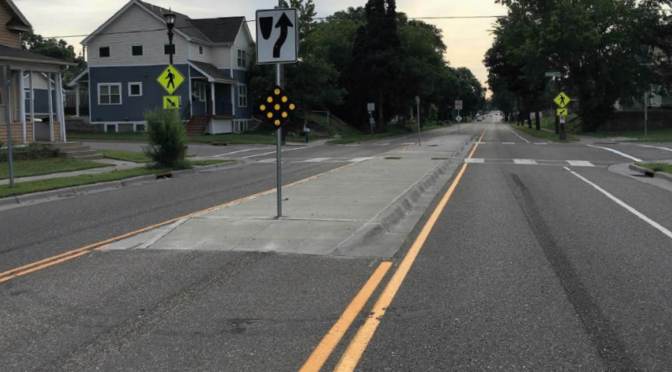
Reevaluating City Speed Limits with Public Safety in Mind
A recent legislative change has given Minnesota cities greater authority to set lower speed limits on streets in their jurisdiction—a decision that could potentially have positive impacts on public safety, especially pedestrian and bicycle traffic. A recent analysis of speed-setting practices and the effectiveness of speed limit changes resulted in a decision-making process for changing speed limits and alternative strategies to improve pedestrian and bicycle safety.
Continue reading Reevaluating City Speed Limits with Public Safety in Mind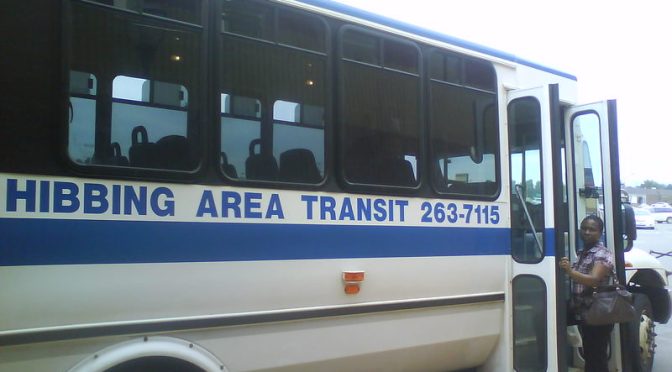
Safety measures, service improvements key to increasing post-pandemic transit use in Greater Minnesota
Originally published in Catalyst, January 16, 2024
The COVID-19 pandemic took a major toll on public transit and shared transportation services in Minnesota, causing ridership and revenues to plummet. And it wasn’t just an urban problem: Smaller rural agencies and services saw sharp declines, too.
Continue reading Safety measures, service improvements key to increasing post-pandemic transit use in Greater Minnesota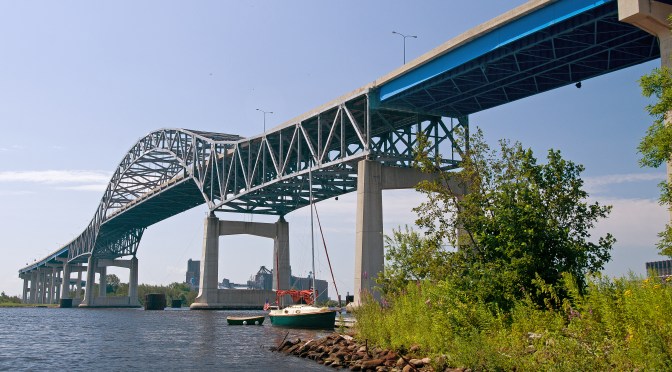
New Project: Develop Element Level Bridge Performance Measures and Targets
Currently, federal bridge performance measures in the United States and measures most commonly used by state transportation agencies for bridge management are based on National Bridge Inventory (NBI) General Condition Ratings that reflect bridge component conditions (deck, superstructure and substructure).
MnDOT also collects bridge element data that provides a more granular, objective and quantitative assessment of condition, and would like to have performance measures and targets based on the bridge element data that guides a data-driven methodology to select cost-effective treatments.
Continue reading New Project: Develop Element Level Bridge Performance Measures and Targets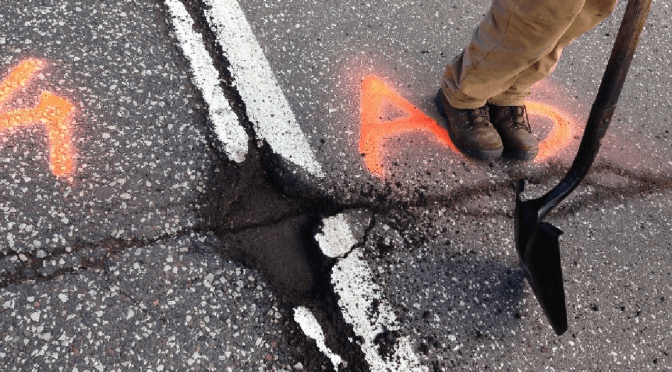
Adapting Asphalt Mixtures for Tougher Rural Roads
Seasonal and daily temperature variations, freeze-thaw cycles and other environmental factors lead to pavement distress on low-volume rural roads. Modifying asphalt mixtures could improve pavement resistance to these environmentally driven distresses. A comparison of the mechanical properties and performances of selected asphalt mixtures identified a mixture and method that hold considerable promise for improving performance and longevity on low-volume roads.
Continue reading Adapting Asphalt Mixtures for Tougher Rural Roads
New Project: Development of Erosion Control Product Longevity Test Methodology
MnDOT has approved products for blanket and hydromulches. There are many versions of each type of temporary erosion prevention materials, that vary in thickness, composition, and cost.
The two most common stabilization methods to control erosion and establish vegetation used by MnDOT are Hydraulic Erosion Control Products (HECP) and Rolled Erosion Prevention Products (REPP). Specifying the best fitting product for the situation keeps MnDOT in compliance with stormwater permits and is more cost effective.
Continue reading New Project: Development of Erosion Control Product Longevity Test Methodology
Impacts of Highway Improvements on Adjacent Businesses
Road projects can increase access to surrounding businesses but may also negatively impact some establishments. New analyses and tools will help MnDOT when planning and implementing highway improvement projects to target assistance to local stores, restaurants and other firms to help mitigate adverse effects from road construction.
Continue reading Impacts of Highway Improvements on Adjacent Businesses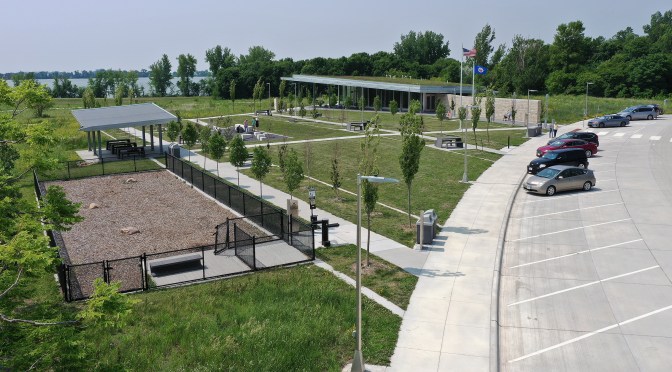
MnDOT and the Local Road Research Board Award Funding to New Research
MnDOT and the Minnesota Local Road Research Board have funded 21 new research projects and are seeking Technical Advisory Panel members to help guide the research. This year’s RFP received over 83 proposals from qualified universities across the country. To receive updates on any of the funded projects, select “subscribe” on the project webpage.
Continue reading MnDOT and the Local Road Research Board Award Funding to New Research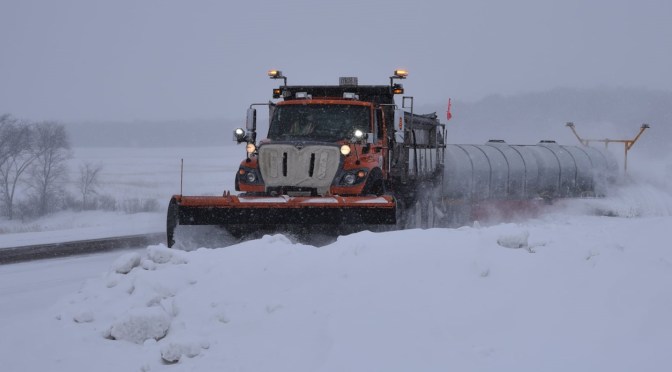
Advanced Data Analytics Inform Reduction of Snowplow Fuel Use
Snowplows use substantial amounts of fuel to keep Minnesota’s winter roads safe and accessible. Reducing the fuel consumed by MnDOT’s snowplows will help the agency meet its sustainability goals and lower operating costs. In a recent study, data collected from onboard vehicle technology showed the impacts of idling and snowfall on fuel efficiency to inform the management of the agency’s snowplow fleet.
Continue reading Advanced Data Analytics Inform Reduction of Snowplow Fuel Use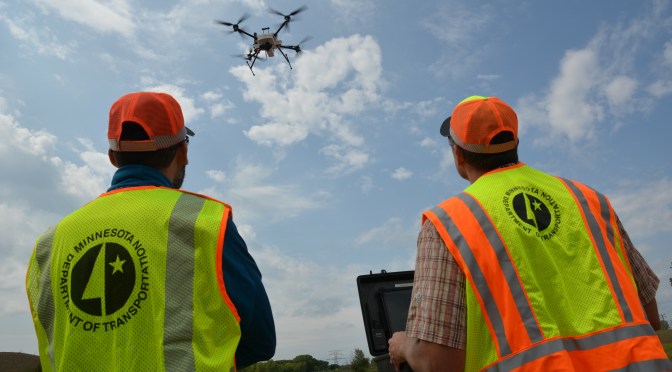
Evaluating and Communicating the Benefits of Transportation Research
Assessing the return on investment in transportation research is crucial to ensuring program goals are met, knowledge and technology are shared broadly, and future investigations are prioritized. A recent effort leveraged existing MnDOT and LRRB tools and processes to evaluate and communicate the value of innovation and research. A new benefit monitoring and communication framework, which can be tailored to individual projects, allows agencies to reassess a project and its benefits throughout the research life cycle.
Continue reading Evaluating and Communicating the Benefits of Transportation Research Crossroads