Category Archives: Public Transit

Examining off-peak transit behaviors to improve transit equity

Originally published in Catalyst, February 19, 2025

Transit service planning has traditionally focused on peak trips and the needs of “rush hour” commuters rather than off-peak travel. Often, off-peak trips are taken by shift-based essential workers and those who cannot or do not drive. The COVID-19 pandemic further underscored the need for a closer examination of these trips to improve social equity.

Continue reading Examining off-peak transit behaviors to improve transit equity

In rural Minnesota, transit planning apps could boost ridership

Reprinted from CTS News, February 11, 2025

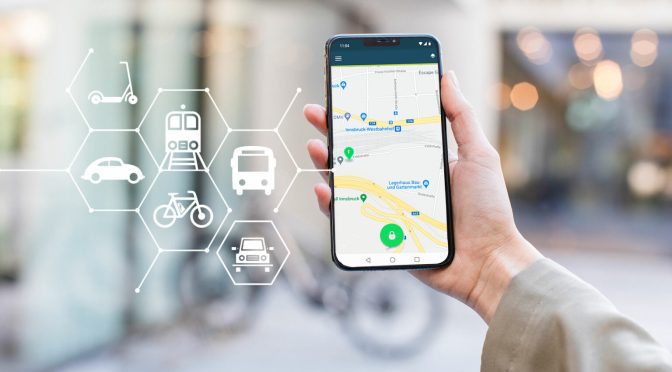
Mobility-as-a-Service (MaaS) transit planning apps provide a simple, convenient way for transit users to plan trips, make payments, and book on-demand rides—enhancing the user experience and encouraging more transit use. While prevalent in urban areas, these apps are uncommon in rural settings.

Continue reading In rural Minnesota, transit planning apps could boost ridership

In rural Minnesota, the GoMARTI self-driving shuttle demo is paving the way for autonomous transit

Originally published August 6, 2024 in Catalyst

Continue reading In rural Minnesota, the GoMARTI self-driving shuttle demo is paving the way for autonomous transit

Dedicated transit lanes help attract riders, reduce carbon emissions

Public transit systems are instrumental for reducing auto travel and related greenhouse gas (GHG) emissions. But how much of a reduction depends in part on how transit lines operate—on dedicated right-of-way (ROW), in mixed traffic, or some variation.

Continue reading Dedicated transit lanes help attract riders, reduce carbon emissions

Transportation challenges for aging rural populations

Reprinted from Catalyst, June 11, 2024

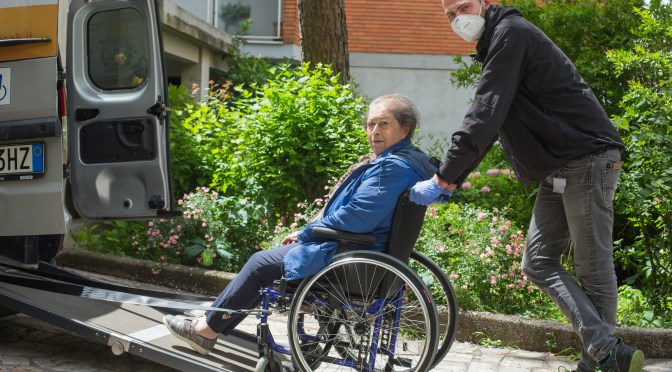
During the past century, a person’s average lifespan has increased dramatically. However, this significant “longevity bonus” has also led to challenges, including how to maintain mobility for an aging population.

Continue reading Transportation challenges for aging rural populations

Enhancing Public Transit with Autonomous Mobility Service to Cover the “Last Mile”

The benefits of public transportation, including reducing individual vehicle use and traffic congestion, aren’t always optimized beyond densely populated urban settings. While transit may extend to more suburban or rural areas, land development patterns can make it challenging for people to reach their destinations by transit alone. Pairing transit with an autonomous mobility service is a potential solution. Researchers assessed transportation needs in a suburban shopping area and developed a system designed to deliver passengers from the end of a transit line to their ultimate destination. Simulations of the autonomous mobility service revealed its potential to increase transit efficiency and reduce individual vehicle use.

Continue reading Enhancing Public Transit with Autonomous Mobility Service to Cover the “Last Mile”

Safety measures, service improvements key to increasing post-pandemic transit use in Greater Minnesota

Originally published in Catalyst, January 16, 2024

The COVID-19 pandemic took a major toll on public transit and shared transportation services in Minnesota, causing ridership and revenues to plummet. And it wasn’t just an urban problem: Smaller rural agencies and services saw sharp declines, too.

Continue reading Safety measures, service improvements key to increasing post-pandemic transit use in Greater Minnesota

‘Transportation Insecurity’: A New Metric to Evaluate Programs and Guide Decision Making

Reprinted from CTS News, December 7, 2023
—Sophie Koch, contributing writer

Reliable transportation has a huge impact on quality of life. Many Americans, however, are unable to travel where and when they need to go, and policymakers lack tools to measure the extent of the problem. 

Continue reading ‘Transportation Insecurity’: A New Metric to Evaluate Programs and Guide Decision Making

COVID-19 pandemic substantially changed commuting patterns, job access

Reprinted from CTS News, October 9, 2023

Patterns of movement in cities, especially office job commutes, were substantially altered in 2021 by telework, economic change, and other responses to COVID-19, according to new research from the Accessibility Observatory at the University of Minnesota. While the immediate effects of these behavioral changes, such as reduced congestion and lower transit ridership, have been well documented, new data reveals deeper impacts that differ by the three modes studied: auto, transit, and biking.

Continue reading COVID-19 pandemic substantially changed commuting patterns, job access