
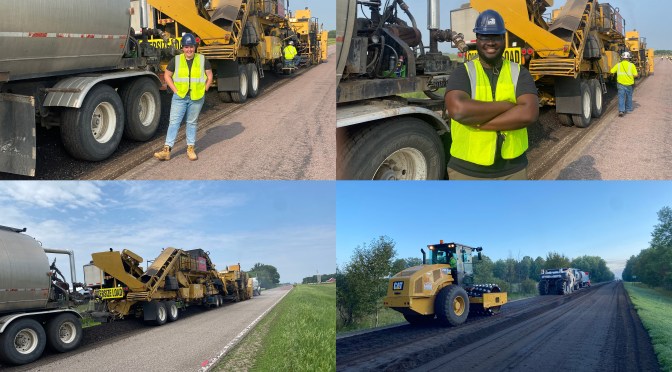
Cold recycling road pavement materials into new road construction is a cost-effective and sustainable practice. However, the properties of these materials must be characterized to adequately design pavement structures. This project developed a framework and tool for transportation agencies to estimate the key material properties of cold recycled materials incorporated into road designs.
Continue reading Assessing Recycled Pavement for Use in Road DesignAll posts by mndotresearch
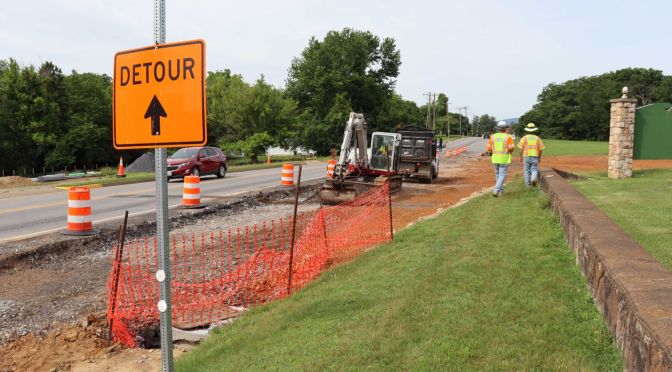
Limiting Pavement Damage from Detours
Detours for highway construction projects direct heavy freight vehicles onto local roads that were not designed to accommodate the frequency of heavy loads. Detours to these local roads often accelerate pavement deterioration that shortens their service life and requires additional repair. This project examined the structural and economic impacts of detours on local roads to develop a framework for optimizing detour routes that limit pavement damage while maintaining traffic mobility.
Continue reading Limiting Pavement Damage from Detours
Using Onboard Vehicle Data to Assess Pavement Quality
Many modern vehicles continuously track location and performance data such as speed and acceleration. Collecting large amounts of this data to use in machine learning models has many potential applications, including aggregating and evaluating road pavement conditions. This project investigated the feasibility of using large amounts of onboard data from electric vehicles to monitor and assess pavement conditions comprehensively and cost-effectively across a large network.
Continue reading Using Onboard Vehicle Data to Assess Pavement Quality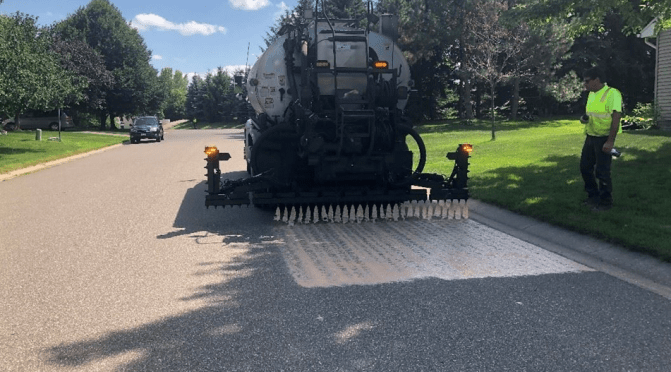
Assessing Rejuvenators That Extend Pavement Service Life
Over time, asphalt pavement becomes stiff and brittle due to oxidation, often leading to surface cracking and distress. To mitigate these damages and extend the service lives of roads, transportation agencies may apply a spray-on rejuvenator (SOR) to restore essential components of the asphalt. This project investigated the short- and long-term effectiveness of 12 SORs that state and local transportation agencies may consider for future use.
Continue reading Assessing Rejuvenators That Extend Pavement Service Life
Increasing Equity in Transportation Investments
Historically, equity has not been a primary objective in the transportation infrastructure investment planning process. By effectively incorporating equity into the process, underserved communities and Native nations can realize increased benefits from transportation improvements. This research explored effective strategies for incorporating equity in transportation capital investment planning and provides guidance to transportation agencies, planning organizations and Native nations.
Continue reading Increasing Equity in Transportation Investments
The winding road to an electric fleet
Reprinted from CTS News, November 24, 2025
Even for cities, counties, and organizations with zero-carbon emissions goals, most fleet managers are skeptical about going fully electric. Calculating the return on investment for a single vehicle is straightforward—but for a fleet, it’s complex.
Continue reading The winding road to an electric fleet
CTS Webinar: The Coffee Supply Chain—What Goes into Delivering Your Favorite Coffee to the Store Shelf
Thursday, December 11, 2025
noon–1:00 p.m. CST, Virtual
About the Event
This webinar may not be related to MnDOT research, but we thought you might find it interesting if you drink coffee.
Join CTS and Patrick Hessini, CTS Executive Committee member and head of supply chain at Cameron’s Coffee, for an in-depth look at the challenges and logistics of today’s supply chain. Grab a cup of coffee and bring your lunch as we learn about where and how we get our coffee from trees to mugs.
Registration
This webinar is free, but registration is required. Once you have registered, you will receive an email confirmation with a Zoom link. The link should not be shared with others; it is unique to you.
More Information
Visit the CTS website or contact James De Sota at jadesota@umn.edu.

Identifying Factors That Affect Stormwater Basin Performance
Stormwater basins are used to control runoff, prevent flooding and limit pollutants from reaching rivers, lakes and other large bodies of water. MnDOT monitors and maintains more than 400 infiltration and filtration basins statewide, and that number continues to grow. Identifying indicators of needed maintenance will increase management efficiency and basin performance. Field research at 28 basins identified basin age and silt content as two important factors to consider when planning inspections and taking corrective actions.
Continue reading Identifying Factors That Affect Stormwater Basin Performance
Mitigating the Negative Effects of Spaghetti Junctions
Complex highway interchanges in large metropolitan areas, also referred to as spaghetti junctions, have contributed greatly to enhancing vehicular connectivity and spurring economic growth. But the benefits of this built infrastructure are not evenly distributed, and neighborhoods near these highways are often negatively impacted. This project explored strategies used by other states to mitigate the consequences of spaghetti junctions that MnDOT could implement to improve conditions and livability for similar neighborhoods in Minnesota.
Continue reading Mitigating the Negative Effects of Spaghetti Junctions
Evaluating Taconite as a Lower Cost Friction Treatment
High friction surface treatments (HFSTs) on Minnesota roads are composed of imported, industry standard calcined bauxite aggregate. This material is expensive, and producing it is energy-intensive. Taconite aggregate, a by-product of the Minnesota mining industry, is a potential alternative to calcined bauxite that is less expensive. This research compared taconite and calcined bauxite in field skid resistance performance testing to determine the feasibility of using taconite in place of calcined bauxite in HFST applications.
Continue reading Evaluating Taconite as a Lower Cost Friction Treatment Crossroads