
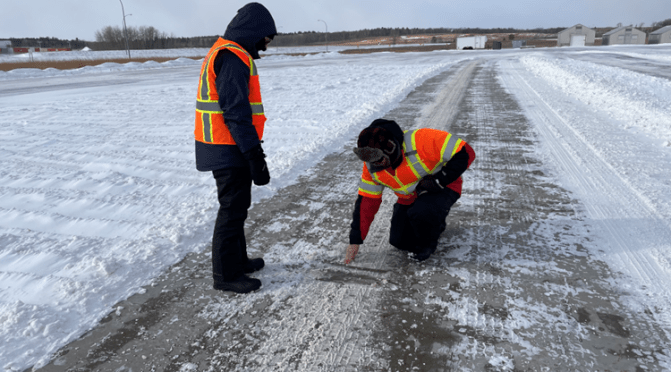
When temperatures fall below 15 degrees Fahrenheit (F), salt loses its effectiveness at melting snow on roads. To accommodate lower temperatures, transportation agencies often combine an alternative deicer with salt brine to treat roads and return them to an appropriate level of service. This project investigated the most common alternative deicer used in Minnesota to provide guidance to state and county winter maintenance managers about its application at different concentrations and temperatures.
Continue reading Evaluating the Use of a Common Alternative DeicerAll posts by mndotresearch
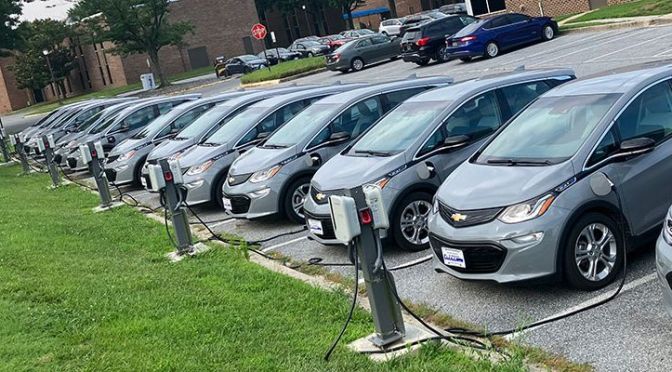
Successfully Integrating Electric Vehicles into Fleets
While electric vehicles (EVs) provide benefits over traditional gas-powered vehicles, they also come with challenges. Investigators surveyed and interviewed staff, analyzed costs and developed an optimization model to address these challenges. Project findings will help agencies across Minnesota achieve a successful and cost-effective transition to the increased use of EVs.
Continue reading Successfully Integrating Electric Vehicles into Fleets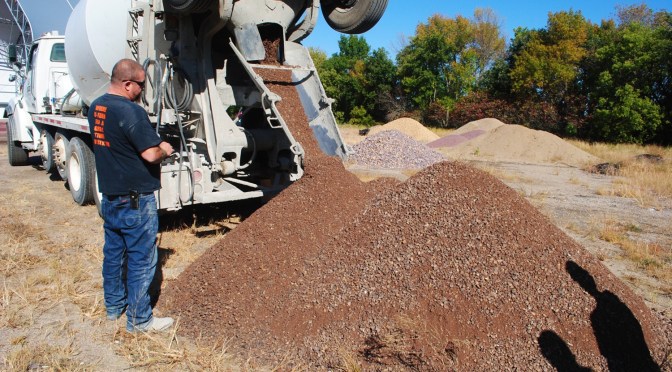
Permeable Barriers for Absorbing Road Salt Runoff
Treating roads with deicers during winter storms is essential for ensuring the safety of the traveling public. However, salt runoff can negatively impact the environment. In-ditch salt capture techniques may limit the migration of salt from roads into watersheds.
Continue reading Permeable Barriers for Absorbing Road Salt Runoff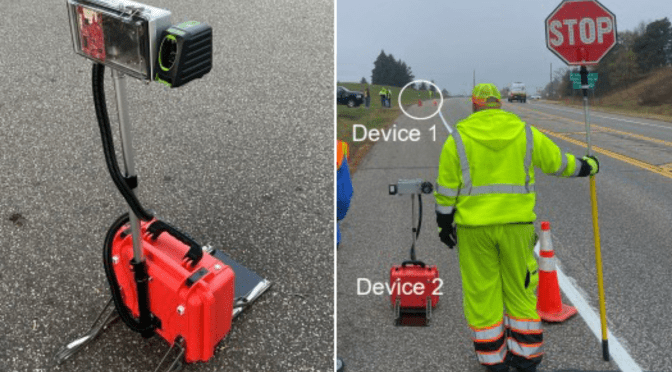
Alerting Drivers Dangerously Approaching Work Zones
Motorists driving dangerously in work zones present a safety risk to workers and themselves. Alerting these drivers about their driving behavior before they reach the work zone could reduce the number of work zone crashes and enhance work zone safety. This project developed and evaluated the performance of a device that provides audio and visual alerts to drivers whose vehicles are approaching work zones at a high speed and on a dangerous trajectory.
Continue reading Alerting Drivers Dangerously Approaching Work Zones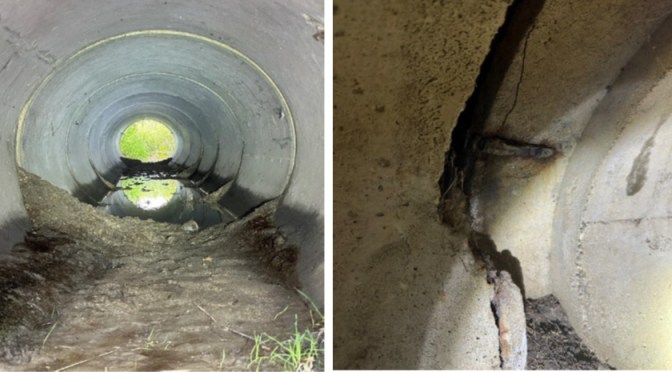
Strategies to Prevent Joint Separations in Culverts
Culverts are essential components of urban and rural infrastructure that guide and channel water under roads and embankments. The most common failure affecting culverts is joint separation between segments of the concrete pipes. This project examined the predictors and factors that lead to joint separations in culverts to determine practices that will decrease future separations.
Continue reading Strategies to Prevent Joint Separations in Culverts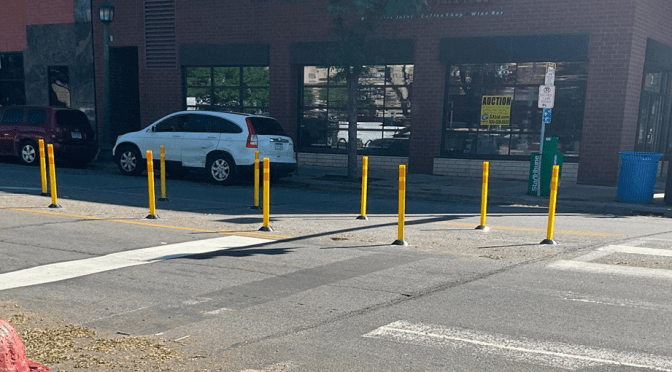
Evaluating the Safety Impacts of Select Pedestrian Infrastructure
To enhance pedestrian safety at intersections, transportation agencies may install temporary or permanent infrastructure such as curb extensions or pedestrian refuge islands. While more permanent infrastructure with concrete is generally considered effective, specific details about temporary infrastructure with flexible delineators (or bollards), such as installation, use and safety impact, would be valuable to optimize cost-effectiveness. This project evaluated both temporary and permanent pedestrian infrastructure at crossing sites to measure the effects on pedestrian safety and driver behavior.
Continue reading Evaluating the Safety Impacts of Select Pedestrian Infrastructure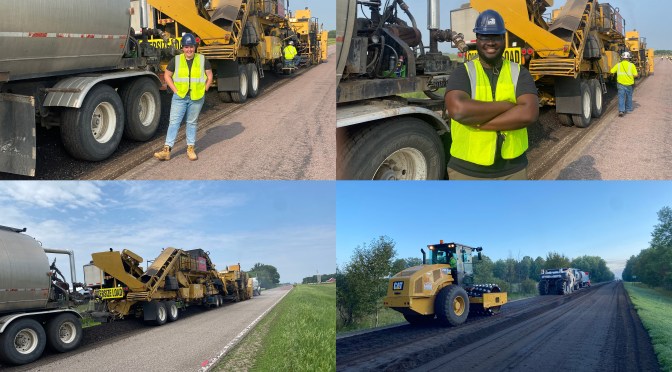
Assessing Recycled Pavement for Use in Road Design
Cold recycling road pavement materials into new road construction is a cost-effective and sustainable practice. However, the properties of these materials must be characterized to adequately design pavement structures. This project developed a framework and tool for transportation agencies to estimate the key material properties of cold recycled materials incorporated into road designs.
Continue reading Assessing Recycled Pavement for Use in Road Design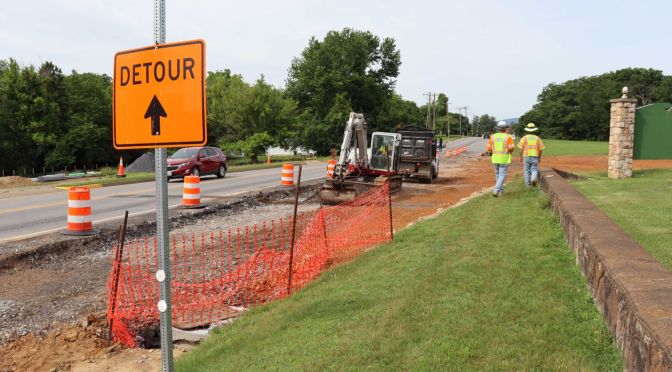
Limiting Pavement Damage from Detours
Detours for highway construction projects direct heavy freight vehicles onto local roads that were not designed to accommodate the frequency of heavy loads. Detours to these local roads often accelerate pavement deterioration that shortens their service life and requires additional repair. This project examined the structural and economic impacts of detours on local roads to develop a framework for optimizing detour routes that limit pavement damage while maintaining traffic mobility.
Continue reading Limiting Pavement Damage from Detours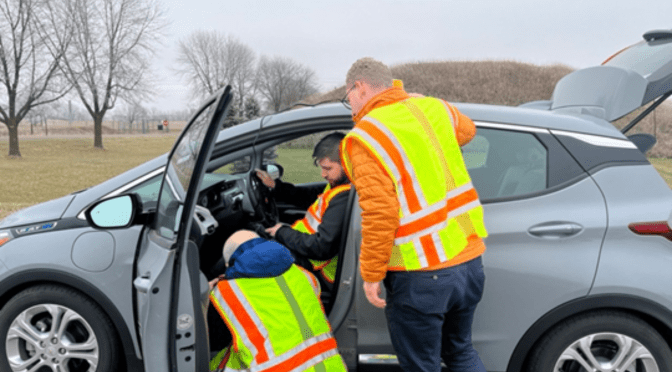
Using Onboard Vehicle Data to Assess Pavement Quality
Many modern vehicles continuously track location and performance data such as speed and acceleration. Collecting large amounts of this data to use in machine learning models has many potential applications, including aggregating and evaluating road pavement conditions. This project investigated the feasibility of using large amounts of onboard data from electric vehicles to monitor and assess pavement conditions comprehensively and cost-effectively across a large network.
Continue reading Using Onboard Vehicle Data to Assess Pavement Quality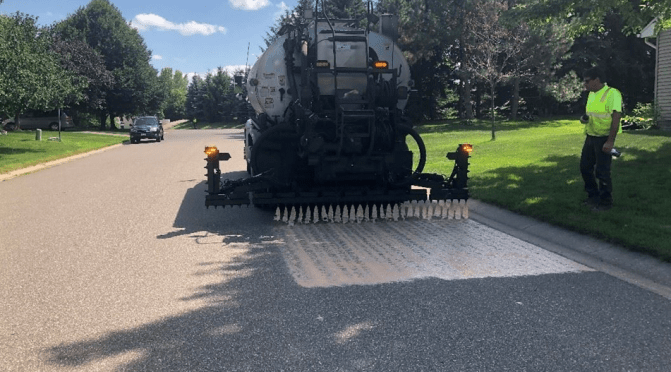
Assessing Rejuvenators That Extend Pavement Service Life
Over time, asphalt pavement becomes stiff and brittle due to oxidation, often leading to surface cracking and distress. To mitigate these damages and extend the service lives of roads, transportation agencies may apply a spray-on rejuvenator (SOR) to restore essential components of the asphalt. This project investigated the short- and long-term effectiveness of 12 SORs that state and local transportation agencies may consider for future use.
Continue reading Assessing Rejuvenators That Extend Pavement Service Life Crossroads