All posts by Micaela Kranz

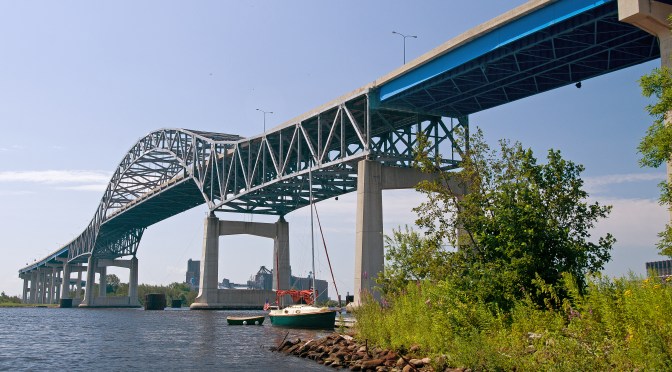
New Project: Develop Element Level Bridge Performance Measures and Targets

Currently, federal bridge performance measures in the United States and measures most commonly used by state transportation agencies for bridge management are based on National Bridge Inventory (NBI) General Condition Ratings that reflect bridge component conditions (deck, superstructure and substructure).

MnDOT also collects bridge element data that provides a more granular, objective and quantitative assessment of condition, and would like to have performance measures and targets based on the bridge element data that guides a data-driven methodology to select cost-effective treatments.

Continue reading New Project: Develop Element Level Bridge Performance Measures and Targets
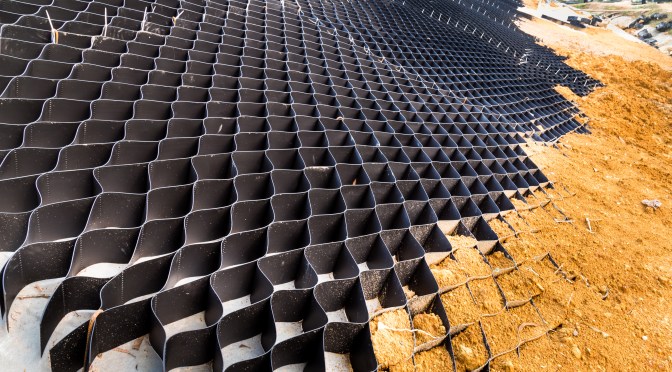
New Project: Development of Erosion Control Product Longevity Test Methodology

MnDOT has approved products for blanket and hydromulches. There are many versions of each type of temporary erosion prevention materials, that vary in thickness, composition, and cost.

The two most common stabilization methods to control erosion and establish vegetation used by MnDOT are Hydraulic Erosion Control Products (HECP) and Rolled Erosion Prevention Products (REPP). Specifying the best fitting product for the situation keeps MnDOT in compliance with stormwater permits and is more cost effective.

Continue reading New Project: Development of Erosion Control Product Longevity Test Methodology

MnDOT and the Local Road Research Board Award Funding to New Research

MnDOT and the Minnesota Local Road Research Board have funded 21 new research projects and are seeking Technical Advisory Panel members to help guide the research. This year’s RFP received over 83 proposals from qualified universities across the country. To receive updates on any of the funded projects, select “subscribe” on the project webpage.

Continue reading MnDOT and the Local Road Research Board Award Funding to New Research

New Project: Development of Process to Lower Global Warming Potential of Construction Materials

Advances in science of life cycle assessment (LCA) have set the stage to develop methods that meet global warming potential (GWP) reduction targets for construction materials, specifically, using instruments such as Environmental Product Declarations (EPD).

Continue reading New Project: Development of Process to Lower Global Warming Potential of Construction Materials

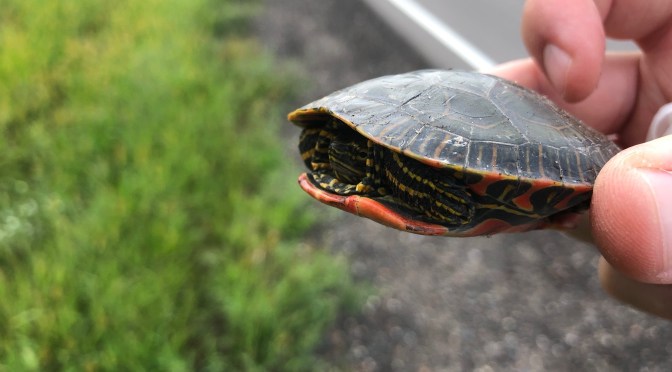
New Project: Assessing a New Tool for Early Detection of Endangered Turtles on Proposed Transportation Projects

As turtle populations decline worldwide, increased protections (e.g. United States Endangered Species Act) yield increased regulatory burdens. As a consequence, monitoring of imperiled turtle species is imperative to understand both their extant distributions, but also to ensure regulatory compliance.

However, conventional methods for surveying turtles are frequently costly, time consuming, require taxonomic expertise, and unlikely to yield detections without repeated visits. And these burdens are exacerbated when sampling rare, threatened, or endangered (RTE) species. In these instances, innovative technological advances may overcome these limitations, ultimately streamlining monitoring.

Continue reading New Project: Assessing a New Tool for Early Detection of Endangered Turtles on Proposed Transportation Projects

Research Pays Off Webinar Series: Intelligent Compaction Technology as a Service and for Compliance

The National Road Research Alliance (NRRA) is hosting “Intelligent Compaction Technology as a Service and for Compliance – How ICT Research has led to the Removal of Technicians from Construction Sites in the UK” on July 19 at 10 a.m. CST, presented by Ruairi Charlesworth of Highway Data Systems.

Continue reading Research Pays Off Webinar Series: Intelligent Compaction Technology as a Service and for Compliance

Developing Transportation Systems Climate Resilience Performance Measures

Climate change is exacerbating weather-related impacts on the transportation system. As floods, droughts, wildfires and other extreme weather events become more common and destructive, transportation infrastructure will need to adapt to become more resilient.

Continue reading Developing Transportation Systems Climate Resilience Performance Measures